"If hellholes like this didn't exist, I'm sure you would invent one"
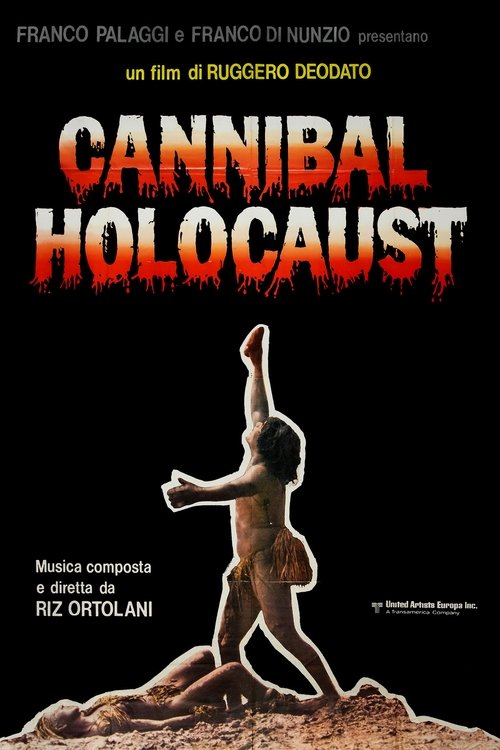
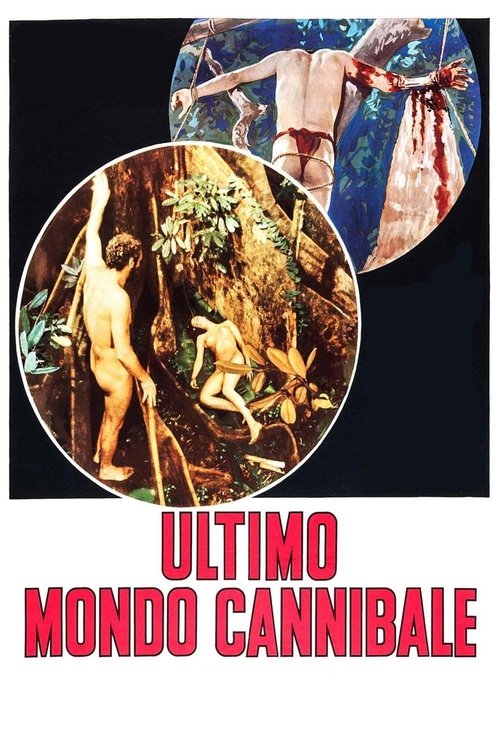
This film is almost, but not quite, exactly what the lurid title would suggest. It's definitely going for shocks as its primary source of horror, with a lot of this being truly hard to watch (I saw the uncut version, with animal cruelty intact, and I can see why they're cut from most versions, although there is a certain level of hypocrisy in condemning those scenes if you eat meat - and I doubt everyone who has ever criticised it were all vegetarian or vegan - unless you think that what goes on in slaughterhouses is any kinder that the animal slaughter depicted in this film, or that recording it somehow makes a moral difference), and has well earned its reputation for brutality. However, there's a deeper element to the horror. All the violence and cannibalism and rape is truly gruelling to sit through, but the scenes between those are, in their own way, just as grotesque.
As strange as it may sound, one film that this strongly reminded me of was The Searchers, reminding us of the fact that so-called "primitive" peoples are separated from us only by circumstance, that there is nothing making the "civilised" world inherently better, that the wilderness is always right next door.
Of course, this is rather problematic in itself. Because, in case the title didn't clue you in, this film has no interest in being sensitive. It is still exploitative. The question this film poses is more along the lines of "are we truly any better than nasty primitive violent cannibalistic tribes?", and certainly has far more in the way of contempt for civilisation than compassion for the supposedly "uncivilised". It's a common refrain by now; "Cannibal Holocaust claims to be satirising exploration while also being itself exploitative". This criticism... I understand it, but I feel it relies on a verbal sleight of hand. An "exploitation film" may contain the word "exploitation", but it is not the same as exploiting people.
That said, we mustn't forget that the native actors in the film genuinely were mistreated. They weren't treated all that much better by the real film crew than by the in-movie one. Some of the stuff that happened on the set of this makes Kubrick-making-The-Shining look like the Buddha. There's no real way around it, the set of this movie was an abusive environment. The director of this movie, Ruggero Deodato, is an abusive arsehole who was particularly nasty to women and native actors. Fuck him.
And yet, I still can't help but be fascinated by the film, even if I don't necessarily want to ever see it again. There is certainly some craft to this. From Riz Ortolani's beautiful score providing an actually effective counterpoint to the incredibly brutal scenes of horror to the raw documentary style that strips everything down to the most naked barbarism, this is a film that has an aesthetic you won't see in many others, at the very least. Even now "found footage" is as family a horror subgenre as "monster movie" or "slasher", this, along with Blair Witch, still holds up as something special. Sure, the framing device may be unorthodox in modern examples of the genre, but the bits that are in that style genuinely do feel like we're watching somebody's last moments on film. The acting is... variable, which sometimes breaks the illusion, but, perversely, it helps in a way that a lot of the cast seem genuinely uncomfortable, so don't HAVE to act for a lot of it.
And yes, this is very influential. You can see all the familiar tropes of the found footage genre, right down to the cast being massive arseholes that you kinda want to see eaten by the end. Yes, as I say, the framing device is unorthodox, but it's not like there's no reason for it to be in the film or anything. It goes without saying that it would be a very different film without it, and probably wouldn't have nearly as many reviews on here. The footage story is of course where most of the scenes that fans of "extreme cinema" remember are from, but the frame story is part of the reason why this still an independent cult following outside of people who will simply watch anything with enough mutilation in it. The most targeted part, in my mind, comes when we see the footage of the in-film documentary "The Last Road to Hell", and the opening credits are in the same style as the actual opening credits to this film.
But there comes a point if we have to ask how genuine this is? Is this film truly a critique of colonialism and exploitation, or is it just trying to make pretensions to something more than a schlocky cannibal flick? Is it just trying to make you feel less guilty for watching it, or more guilty?
I don't think there are any easy answers. This is a wholly unattractive film, and knows it. The cruelty is both a means to and end and an end in itself simultaneously.
All in all, Cannibal Holocaust isn't necessarily a film I can in any good concience recommend, because my God is it hard to watch, nor can I really say I'm even glad it exists, knowing what went on behind the scenes, but I can say the world of cinema would lose something tangible if this film were deleted from history. For better or for worse.
OK, so today I've been writing various quick reviews-from-memory of various randomly selected movies I've seen before, and this was meant to be one of those, but ultimately this review turned out way longer than expected, so I hope I actually said anything worthwhile in that whole length rather than just rambling. Not sure why this of all films got the extended review for today, but I guess it is a film that sticks in your mind, and due to its nature it's not something many people are willing to see so it's easier to say things that haven't been said ten billion times already, so I guess the combination of those two factors resulted in me feeling I had the most to say about this one. Whatever the case, I hope I actually DID say something worthwhile lol.














Commenti