
















El Veredicto
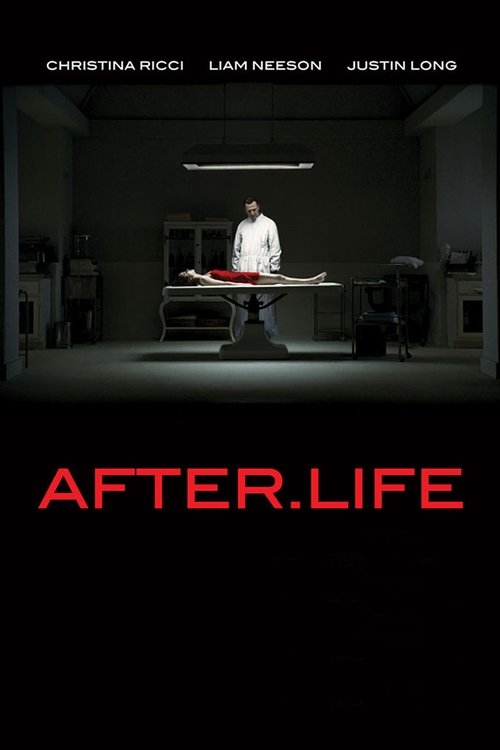
El arquitecto John Rivers, casado con Linda, una escritora de éxito, vive una vida feliz, hasta que un día se encuentra el automóvil de su esposa cerca de un acantilado, pero de la mujer no hay rastro; unos días después se encuentra el cadáver.
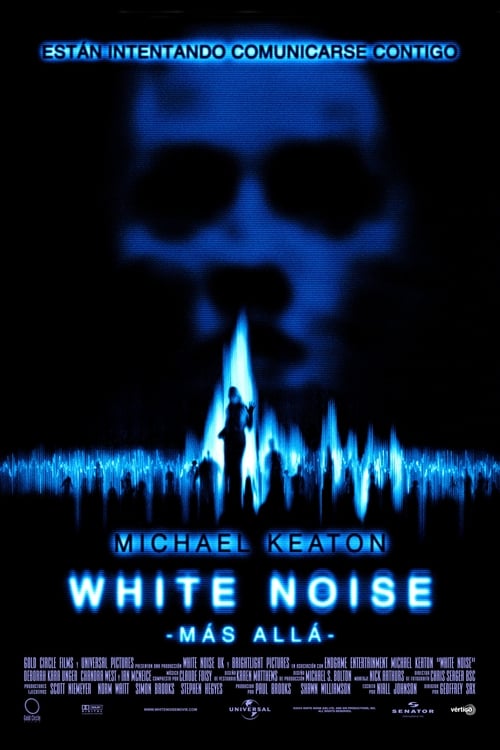
El arquitecto John Rivers, casado con Linda, una escritora de éxito, vive una vida feliz, hasta que un día se encuentra el automóvil de su esposa cerca de un acantilado, pero de la mujer no hay rastro; unos días después se encuentra el cadáver. John vive en el dolor durante muchos meses, pero una mañana conoce a Raymond Price, un hombre capaz de comunicarse con el más allá, quien le informa que Linda se había puesto en contacto con él. Raymond, que años antes había perdido un hijo, introduce así a John en el estudio de los EVP (Electronic Voice Phenomenon), una técnica que permite, a través de la escucha y la grabación de frecuencias vacías en aparatos electrónicos, captar manifestaciones visuales y auditivas de las almas de los difuntos. Inicialmente escéptico, John comienza a establecer contacto con el más allá y con su esposa, pero también hay algunos espíritus con intenciones hostiles.
"White noise" es el clásico ejemplo de cómo se puede hacer una mala película a pesar de tener a disposición un buen reparto, millones de dólares de presupuesto y una buena idea de partida.
El fascinante tema de los EVP es bastante original, aunque la película, desde el principio, se coloca rápidamente en territorio "Sexto sentido"; sin embargo, aparte de discutibles elecciones dictadas por el impacto con la ley de taquilla (para crear una película de éxito hay que tomar elementos de otras películas de éxito),
"White noise" tiene un buen inicio y durante aproximadamente 40 minutos resulta interesante y bien hecha. De hecho, arrastra al espectador de inmediato a un terreno seguro: un comienzo que muestra la vida armoniosa de una familia (casi) perfecta, una armonía que el espectador sabe que pronto se romperá; el duelo, la desesperación, la esperanza y la incursión en lo paranormal. Hasta el momento de los primeros experimentos de EVP, con escenas de sobresalto, la película avanza dignamente; luego, repentinamente e inexplicablemente, la historia sufre un brusco e infeliz cambio: el protagonista se va por la ciudad a intentar salvar la vida de las personas que su esposa fallecida le indica como individuos en peligro.
Desentonan mucho estas guiñadas a "Final destination" y "Minority report" y no se entiende la razón de esta elección, ya que la historia podría haber continuado perfectamente como se había desarrollado hasta ese momento. Pero, desafortunadamente, las malas sorpresas no terminan aquí porque el guión sigue tambaleándose y se llena de agujeros grandes como vorágines: nos sumergimos en este punto en el thriller y aparece también un misterioso asesino en serie; para concluir el lío con un final confuso y apresurado, así como con ridículas apariciones de fantasmas en la realidad física (la mejor manera de llenar un thriller/horror de ridículo involuntario es mostrar un fantasma, representado como una figura semitransparente, que interactúa con los actores!). La razón por la que una película interesante degenera en basura es un misterio al menos tanto como la existencia real de los fenómenos EVP; el final, tan apresurado y mal montado, parece casi una consecuencia de torpes cortes en la fase de montaje o el agotamiento del presupuesto disponible antes de la conclusión del rodaje.
En operaciones similares, en el pasado reciente, ya se había asistido y con resultados alternos, a veces con la intención de relanzar estrellas ligeramente en declive (le había sucedido a Kevin Costner con la horrible "Dragonfly" y a Richard Gere con la interesante "The mothman prophecies"), así como le ocurre al protagonista de "White noise" Michael Keaton, un buen actor que en los últimos años ha aparecido en pocas películas pero que no convence en este film, resultando a menudo fuera de lugar; así como fuera de lugar aparece también Deborah Kara Unger ("Crash"), que interpreta un personaje totalmente inútil para la trama. Naturalmente, las escenografías y la fotografía resultan muy cuidadas y sugerentes, tratándose de una película con un presupuesto considerable; mientras que la dirección del desconocido Geoffrey Sax resulta totalmente anónima.
En conclusión, "White noise" no es más que una buena idea desarrollada torpemente, debido a un guión desastroso, una dirección poco inspirada y actores fuera de lugar. Muy desaconsejado.
Comentarios
Comentarios (0)





Comentarios