



Le Verdict
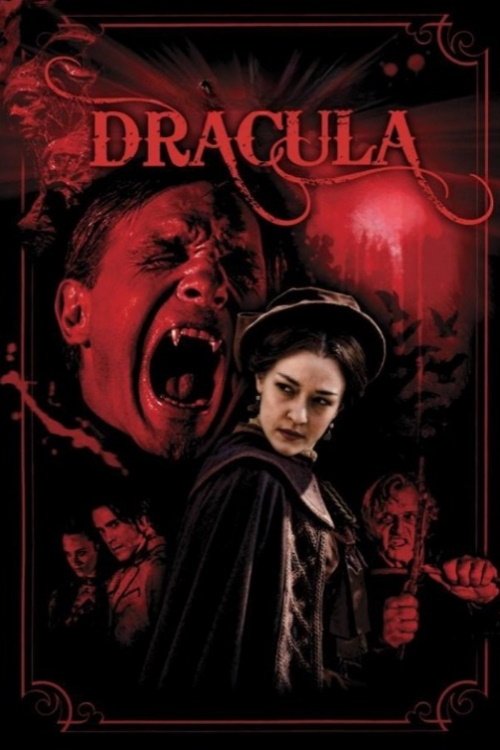
À Passbourg, il existe des règles strictes à suivre, comme ne pas errer dans les bois la nuit pour ne pas devenir la proie du Comte Dracula, le cruel vampire qui terrorise les villageois. Tanya, une jeune femme qui n'obéit pas aux conseils de sa mère et préfère aller à un rendez-vous avec son amant Milosh, en fait les frais.
À Passbourg, il existe des règles strictes à suivre, comme ne pas errer dans les bois la nuit pour ne pas devenir la proie du Comte Dracula, le cruel vampire qui terrorise les villageois. Tanya, une jeune femme qui n'obéit pas aux conseils de sa mère et préfère aller à un rendez-vous avec son amant Milosh, en fait les frais. Pendant ce temps, Jonathan Harker arrive de Londres pour organiser la bibliothèque du Comte, mais il y règne un ferment de peur et de panique à cause de la mort de Tanya, qu'il rencontre pourtant vivante et désirable au château de Dracula, où elle est présentée comme la nièce du Comte.
Perdant la trace de son mari Jonathan, Mina arrive également à Passbourg et est accueillie chez Lucy, la fille du maire et une vieille amie. Mais la présence diabolique de Dracula capture bientôt aussi l'âme de Mina.
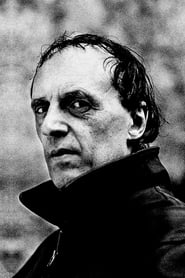
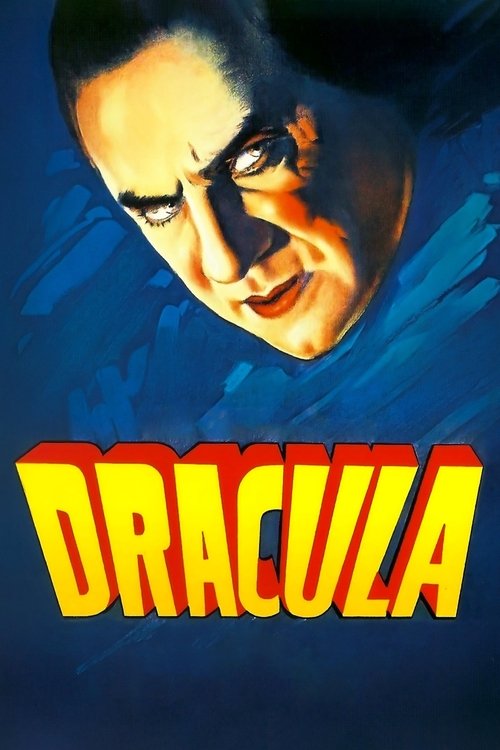
Âgé de soixante-douze ans, dont quarante-deux consacrés au cinéma en tant que réalisateur et dix-neuf longs-métrages et demi dirigés, voici Dario Argento, adoré par une foule de fans inconditionnels et parfois malmené par des détracteurs qui guettent chaque nouveau film pour monter des "cas" de dénigrement, parfois exagérés. Que le bon Argento ait perdu de son éclat avec les années est un fait, il suffirait de regarder son tout récent "Giallo" pour se rendre compte que le réalisateur de "Quattro mosche di velluto grigio" a commencé à boiter visiblement. La Film Export Group de Roberto Di Girolamo, en collaboration avec Gianni Paolucci (producteur des derniers films de Bruno Mattei) et l'Espagnol Enrique Cerezo, offre à Argento l'occasion de se racheter avec une nouvelle version de "Dracula", utilisant la technologie du moment, à savoir le 3D. Après quelques hésitations initiales, Argento accepte, mais ce qui en ressort n'est pas un film de Dario Argento à part entière, plutôt un film sur commande et cela se ressent à tous les niveaux. Du Dario Argento que nous avons aimé dans "Dracula", il ne reste presque rien, il manque de personnalité dans l'œuvre dans son ensemble, il manque de volonté d'expérimenter et il manque cette folie virtuose qui, même dans le mauvais "Giallo", émergeait dans quelques scènes. Le résultat est un film soigné dans sa présentation générale, mais anonyme et peu mémorable.
L'histoire, scénarisée par Argento lui-même avec Antonio Tentori et Stefano Piani, suit les points clés du roman de Bram Stoker pour s'en éloigner ensuite dans certains choix fondamentaux, comme reléguer au second plan le personnage de Jonathan Harker, éliminer complètement l'histoire du mariage de Lucy et ses prétendants, situer l'intrigue uniquement en Europe de l'Est et inventer le personnage de Tanya, qui remplace les amantes du Comte. Ce suivi et cette trahison simultanée du matériel littéraire original nous rappellent les expérimentations narratives de la Hammer, mais nous réalisons rapidement que le film d'Argento est plutôt désordonné, avec un changement continu de personnage principal (Harker-Mina-Van Helsing), un choix peut-être destiné à élire Dracula comme protagoniste, mais comme ce dernier manque d'une caractérisation adéquate, le résultat est que le spectateur se retrouve sans véritable point de référence. Mais l'absence d'une vraie caractérisation est un défaut qui affecte aussi les autres personnages et non pas à cause d'une erreur de l'histoire, plutôt a-t-on l'impression que le background de chacun d'eux est pris pour acquis, comme si le film s'appuyait sur les précédentes incarnations cinématographiques du roman de Stoker et donc que le spectateur en soit déjà largement conscient. On a presque l'impression que le film a été coupé (ou non tourné) de séquences qui aident à expliquer l'histoire et les personnages, créant ainsi cet étrange effet de narration inachevée.
En même temps, il faut reconnaître au "Dracula" d'Argento un point de vue réussi et inédit sur le lien qui unit le vampire aux villageois qu'il asservit. Entre eux existe un pacte dont chaque humain semble tirer des avantages, faisant en sorte que le Comte assume presque un aspect de bienfaiteur (il garantit protection et immortalité à certains) ou de victime. Argento semble presque prendre parti pour le monstre, victime de certaines circonstances et de l'avidité humaine, ce qui en fait un personnage assimilable au Fantôme de l'Opéra de son film éponyme.
Si d'un côté, nous avons une attention plutôt méticuleuse pour les décors et les costumes, de l'autre, on note une surprenante et déconcertante approximation (ou incapacité) dans la réalisation des effets visuels. Chaque fois que la computer graphique entre en jeu, le film sombre irrémédiablement dans le ridicule, avec des effets bruts et incapables de s'intégrer à la scène. Ce qui est le plus frustrant, c'est que la plupart de ces effets sont totalement gratuits et sans lesquels rien n'aurait changé (le plan large sur l'arrivée du train à la gare avec un arrière-plan évident en CGI, le détail sur l'araignée, la mouche qui dérange Harker, les scènes de raccord avec le château monté sur un coucher de soleil faux, la transformation de loup en homme, la Giovanelli projetée par le Comte…et j'en passe!), au contraire, le film en aurait bénéficié. D'ailleurs, on passe des excellents effets artisanaux réalisés par Sergio Stivaletti et son équipe pour les scènes les plus cruelles, à des flammes improbables et des manteaux géants créés numériquement avec un effet de détachement qui mine irrémédiablement l'emprise sur le spectateur.
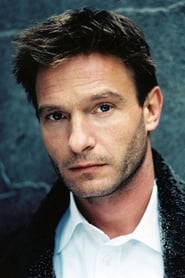
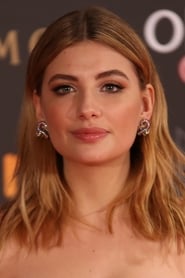
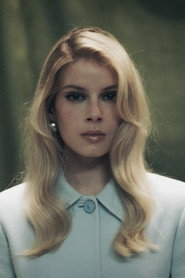
Contrairement aux derniers films d'Argento, cette fois-ci, le casting semble bien assemblé et capable de soutenir le film. Excellente Marta Gastini ("Il Rito", "Io & Marilyn") dans le rôle de Mina, parfait le physique du rôle de Tomas Kretschmann ("La sindrome di Stendhal"; "Hostel: Part III") pour incarner Dracula, tout comme Rutger Hauer pour le rôle de Van Helsing (dommage seulement qu'il entre en scène trop tard) et d'un certain intérêt aussi Miriam Giovanelli ("Gli sfiorati"), qui a le visage et le physique adaptés pour incarner la troublante Tanya. Dommage qu'il y ait Asia Argento pour donner une performance vraiment médiocre, probablement la pire de sa carrière, avec des tons de voix incorrects, des grimaces ridicules et des regards perdus on ne sait où.
Le 3D est sans aucun doute l'un des points forts du film, de bonne qualité et utilisé intelligemment pour créer un sens de profondeur mais aussi pour jouer avec le spectateur quand c'est nécessaire.
En somme, d'un côté, nous avons un film "digne" qui, effets visuels mis à part, rend justice aux 10 millions de budget utilisés, de l'autre, nous avons une opérette sur commande réalisée avec paresse et manque de personnalité. Un devoir fait par un élève doué mais redoublant qui n'a qu'une hâte, que la cloche sonne et qui, s'il n'est pas recalé, c'est seulement parce qu'à la fin on s'est attaché à lui.
Commentaires
Commentaires (0)

Commentaires