





















Il Verdetto
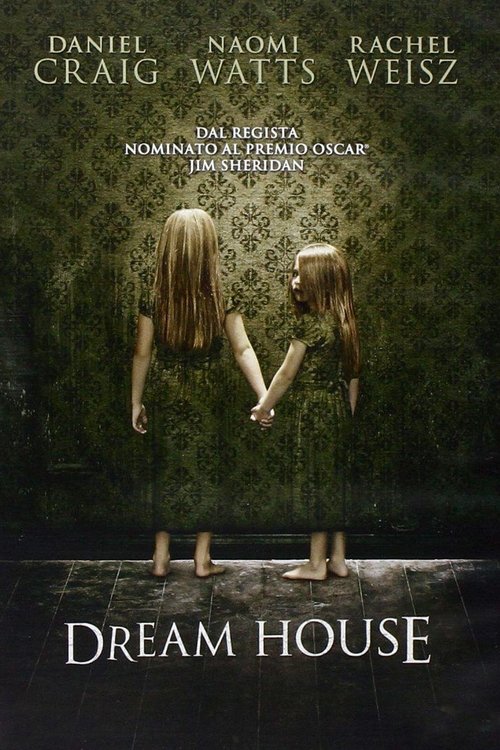
Will Eightenten è un editore di successo che si è trasferito da poco in una nuova casa in un quartiere residenziale del New England insieme a sua moglie Libby e alle sue due bambine.
Will Eightenten è un editore di successo che si è trasferito da poco in una nuova casa in un quartiere residenziale del New England insieme a sua moglie Libby e alle sue due bambine. Nella casa però cominciano ad accadere strani eventi: la bambina più piccola dice di aver visto qualcuno che la osservava fuori dalla finestra, inquietanti rumori si susseguono notte e giorno e Will sorprende un gruppo di ragazzini che nella sua cantina stanno facendo uno strano rituale. Scosso da questi eventi, l'uomo comincia a indagare sul passato della sua abitazione, scoprendo che il precedente proprietario ha sterminato la propria famiglia prima di essere rinchiuso in ospedale psichiatrico. Ma ora quell'uomo è stato dimesso.
Bisogna partire da una importante constatazione. Il regista Jim Sheridan, autore di importanti film come “Il mio piede sinistro” e “Nel nome del padre”, nonché sei volte candidato all’Oscar, ha disconosciuto “Dream House”. Il motivo di questo astio sta nel fatto che la produzione del film avrebbe messo becco più del dovuto, portando ad alcuni importanti stravolgimenti di montaggio sul prodotto finale e una serie di riprese aggiuntive fatte senza il consenso del regista. È lecito,
dunque, avvicinarsi alla visione di “Dream House” quantomeno prevenuti quando si hanno premesse di questo tipo.
E infatti “Dream House” non è di certo il capolavoro che nessuno si sarebbe aspettato, anche se non si tratta neanche di quel disastro eclatante di cui si vocifera in ogni dove. Sheridan si è visto sottrarre la sua creatura e si è giustamente dissociato, ma è innegabile riconoscere a questo film una perizia registica che riesce a far la differenza e un apporto da parte di bravi attori che comunque valorizza un prodotto che sulla carta è piuttosto mediocre. Perché, se vogliamo trovare del marcio in “Dream House”, va cercato soprattutto nella sceneggiatura, o meglio, in quello che lo spettatore può percepire in quanto tale dopo i vari rimaneggiamenti postproduttivi subiti.
Si nota, infatti, una sorta di schizofrenia di fondo nello script di “Dream House” che non fa bene al film. Alla versione di David Loucka si aggiunge la riscrittura operata dal “risolutore” Ehren Kruger e il film ha palesemente due anime dovute
probabilmente a due visioni completamente differenti della vicenda. Nella prima parte, la più riuscita, c’è mistero e tensione fino a un twist prevedibilissimo ma efficace che arriva a metà film. La seconda parte è piatta, noiosetta e si adagia su situazioni tanto improbabili quanto già viste che fanno assimilare la vicenda di “Dream House” a molte di quelle che stanno alla base di film tv da palinsesto estivo. Il finale, tra l’altro, ha un chè di approssimativo e sbrigativo da far percepire i problemi postproduttivi di cui il film è stato vittima.
Come si diceva, “Dream House” si avvale comunque di una regia professionale e ispirata, capace di esaltare le atmosfere spettrali della prima metà di film e le suggestive atmosfere nevose alla “Shining” (e i riferimenti al film di Kubrick sono numerosi e mai a caso). Ottimo il cast che si avvale di un Daniel Craig assolutamente perfetto per il ruolo dello smarrito e disorientato protagonista, affiancato da Rachel Weisz, che interpreta sua moglie, e da Naomi Watts che è invece la misteriosa vicina di casa. In un ruolo di contorno c’è anche Elias Coetas, male utilizzato, come spesso accade per questo bravo attore.
Costato 50 milioni di dollari, “Dream House” ne ha incassati negli USA solo 35, andando a rivelarsi anche un flop al botteghino. Insomma, l’operazione è stata fallimentare un po’ sotto tutti i punti di vista malgrado il cast di richiamo, andando a dimostrare che i problemi produttivi sono stati realmente percepiti anche dal pubblico. “Dream House” è così un prodotto di gran classe e dalle buone potenzialità purtroppo non sfruttate a dovere. Il risultato è un thriller dalle tinte drammatiche che probabilmente verrà dimenticato in fretta dal pubblico delle platee estive, solitamente alla ricerca di brividi ben diversi da quelli di qualche scenografia nevosa.
Commenti
Commenti (0)



Commenti