













Il Verdetto
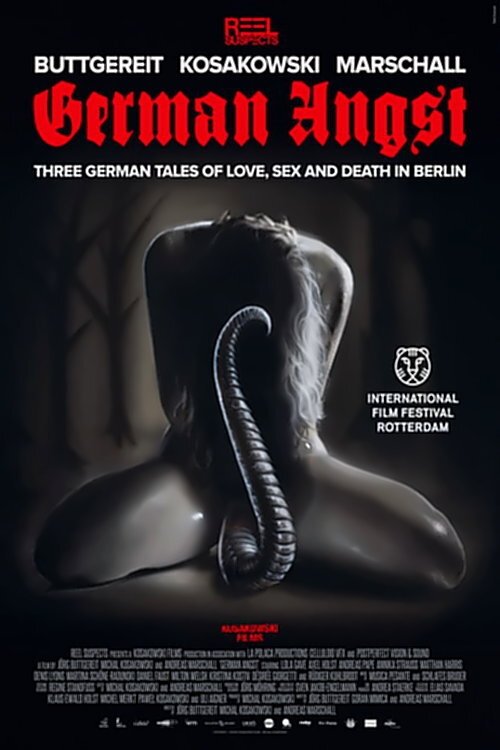
Attesissima antologia horror che segna il ritorno di Jorg Buttgereit dietro la macchina da presa, accompagnato da Andress Marchall (“Tears of Kali”, “Masks”) e Michal Kosakowski (“Zero Killed”). “German Angst” è una pellicola fortemente ancorata alle proprie radici geografiche e che strizza l’occhio alla condizione socio-politica della vecchia Berlino ma in chiave contemporanea.
Attesissima antologia horror che segna il ritorno di Jorg Buttgereit dietro la macchina da presa, accompagnato da Andress Marchall (“Tears of Kali”, “Masks”) e Michal Kosakowski (“Zero Killed”). “German Angst” è una pellicola fortemente ancorata alle proprie radici geografiche e che strizza l’occhio alla condizione socio-politica della vecchia Berlino ma in chiave contemporanea. I tre segmenti, seppur narrativamente indipendenti, sono legati da un filo conduttore: la violenza, ingrediente principale e tema ricorrente dell’opera. Ad aprire le danze è “Final Girl” di J. Buttgereit: una giovane ragazza vive in una casa sporca e malmessa insieme al suo inseparabile porcellino d’india. In camera da letto il padre, legato e imbavagliato, subirà torture e mutilazioni da parte della figlia.
L’episodio inizia con l’annuncio in radio di un brutale omicidio ad opera di un uomo nei confronti della moglie, avvenimento realmente accaduto a Berlino da cui Buttgereit ha tratto ispirazione. Il regista tedesco concentra in una decina minuti tutta la poetica e la grazia registica – affinata nel corso del tempo – che caratterizzano i suoi precedenti lavori, accantonando però quell’atmosfera marcia e surreale che si respirava ai tempi di “Nekromantik”. A supporto di inquadrature statiche e minuziose, coadiuvate da movimenti di macchina lenti, una fotografia patinata ed elegante: una sorpresa (gradita?)per i fan più attempati. L’impressione è che Buttgereit si sia maggiormente concentrato sulla forma a discapito della sostanza, dando vita a quello che pare essere uno sterile ed irritante esercizio di stile, seppur esteticamente accattivante ed al passo con i tempi. Una sorta di rape&revenge; senz’anima che lascia l’amaro in bocca: da Buttgereit ci si aspettava sicuramente qualcosa in più; evidentemente il regista tedesco è troppo impegnato a rilasciare edizioni su edizioni dei suoi film.
A seguire “Make a Wish” di M.Kosakowski: una coppia di sordomuti polacchi si apparta in un edificio abbandonato. Sorpresi da un gruppo di neo-nazisti subiranno un feroce pestaggio, ma l’antico amuleto in possesso della donna potrebbe salvarli.
Un’esperienza personale di discriminazione razziale ha direttamente ispirato il regista polacco, il quale sfrutta l’immaginario magico e fantastico per mettere in scena un capovolgimento di ruoli: sondando i territori della psiche umana, Kosakowski gioca sul possibile scenario che potrebbe presentarsi quando la vittima diventa il carnefice e viceversa. La classica contrapposizione tra il bene e il male viene rappresentata attraverso una serie di violenze fisiche, di notevole impatto visivo, sebbene il perno della vicenda sia di natura etica. Una prospettiva che in realtà pare poco interessante (così come l’abusato tema di matrice xenofoba), e che scade ben presto nella retorica più banale e noiosa.
A concludere l’opera “Arlaune” di A.Marchall: un rinomato fotografo viene lasciato dalla fidanzata (interpretata dall’italiana Désirée Giorgetti). In preda allo sconforto e alla disperazione decide di incontrare una donna conosciuta in chat, ma si ritroverà suo malgrado a far parte di un club esclusivo nel quale i membri, sotto gli influssi delle radici di mandragora, vivono esperienze sessuali intense e mostruose. L’episodio non è altro che un adattamento moderno dell’omonimo film, di cui esistono ben cinque versioni (la prima risale al 1918).
Grazie anche al minutaggio, più corposo rispetto agli altri episodi, la storia ha un migliore sviluppo narrativo che consente di delineare efficacemente i personaggi, inghiottiti da una Berlino onirica e delirante. La ricerca insistente del piacere, come via di fuga da una realtà infelice, assume i tratti dell’ossessione morbosa che si tramuta in una dipendenza dai tratti cronenberghiani. La scelta di rinunciare alla CGI si rivela azzeccata, conferendo alla pellicola un tocco retrò che farà certo felici i fan della vecchia scuola. Colori caldi e cupi amplificano l’atmosfera da incubo che si respira dall’inizio alla fine e che accompagna i protagonisti lungo la loro discesa negli abissi urbani, dove sesso, droga e violenza la fanno da padroni. A mio avviso il segmento migliore del lotto (e non a caso anche il più costoso).
“German Angst” è una pellicola ambiziosa che fa dell’introspezione il suo punto di forza, attraverso la manipolazione dell’ “angst” (angoscia): la paura prende forma con contorni e sfumature diverse, in un contesto culturale caratterizzato da repressione e violenza. Un’antologia che merita un’occhiata ma che tradisce clamorosamente le aspettative.
Recensione originariamente pubblicata sul blog M’illumino di Horror
Commenti
Commenti (0)
Commenti