













Il Verdetto
Il boss della Yakuza Anjo sparisce senza lasciare alcuna traccia assieme ad un milione di yen. Alla sua ricerca si mette Kakihara, un folle sado-masochista membro del clan di Anjo, che è convinto che il boss sia stato rapito da qualche banda rivale.
Il boss della Yakuza Anjo sparisce senza lasciare alcuna traccia assieme ad un milione di yen. Alla sua ricerca si mette Kakihara, un folle sado-masochista membro del clan di Anjo, che è convinto che il boss sia stato rapito da qualche banda rivale. Ma in realtà dietro tutto si nasconde Jijii, un anziano ex-boss della Yakuza, che colmo di rancori per essere stato escluso in passato dal clan ha deciso di portare a termine la sua vendetta mettendo le bande l’una contro l’altra al fine di indebolirle e sgominarle. L’arma che Jijii userà per la sua vendetta è Ichi, un frustrato killer psicopatico dalle inaudite doti distruttive e con alle spalle un drammatico passato.
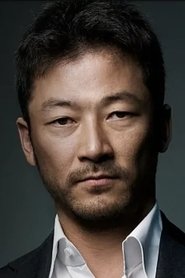
Recita Tanadobu Asano (Kakihara) in una scena del film: “Ognuno di noi ha una parte sadica e una masochista, ma questo…questo Ichi sembra completamente sadico. Quanto mi piacerebbe incontrarlo”. In queste poche parole pronunciate da Kakihara si annida tutta la vera essenza del film, l’anima di “Ichi the Killer”, istrionico film di Takashi Miike che fonda in una sola opera il linguaggio e la crudeltà dei gangster-movie giapponesi all’esagerazione visiva, a tratti quasi parodistica, tipica dei manga.
Tratto dall’omonimo manga di Hideo Yamamoto, “Ichi the Killer” è un divertente e divertito mosaico cinematografico in cui tutti i generi, dalla
commedia all’horror, convivono e collaborano armoniosamente per adempiere ad uno scopo comune: realizzare un’opera sui generis e dal retrogusto epico difficilmente ascrivibile ad un genere o ad un filone ben preciso.
Miike così, servendosi del soggetto di Yamamoto e in collaborazione con Sakichi Satò che lo adatta per il grande schermo, realizza un ammirevole pastiche di generi nonché un’insolita ed affascinante pellicola che gioca con lo spettatore trascinandolo in un euforico turbine di goliardia e sadismo estremo. La situazione di partenza, così come quella che fa da sfondo a tutta la vicenda, è facilmente riconducibile ai film sulla Yakuza, ma nonostante ciò non ci vengono risparmiate frequenti e violente incursioni nel genere horror stemperate successivamente e/o contemporaneamente da siparietti leggeri tendenti al comico o al grottesco.
La violenza, talmente presente nel film che a volte sembra materializzarsi sul set così da divenire uno dei protagonisti principali e fondamentali allo
sciogliere dell’intreccio della fabula, rappresenta sicuramente uno degli aspetti di maggiore interesse. Miike ne fa un uso insolito, quasi artistico verrebbe da dire, la carica sino a portarla agli eccessi più impensabili adottando soluzioni che vanno a colpire dritto lo stomaco dello spettatore. Ma è una violenza a doppia faccia quella di “Ichi the Killer”, una violenza che non sempre ha come scopo quello di impressionare ma che spesso e volentieri vuole divertire lo spettatore facendolo ridere con una serie di sadiche e perverse situazioni che in un altro contesto avrebbero senz’altro scioccato. Ed ecco così che una volta pagato il biglietto lo spettatore può godersi per intero la macabra giostra che va avanti con teste mozzate, corpi dilaniati in verticale, arti tagliati o divorati, sbudellamenti di ogni tipo e corpi bruciati con l’olio bollente: insomma, lo splatter abbonda e sfocia sereno sin dalle primissime scene per poi continuare copioso sino alla comparsa dei titoli di coda. Forse, l’aspetto che maggiormente può turbare (per non dire infastidire) in “Ichi the Killer” è il lato profondamente misogino che riveste buona parte delle scene del film: la donna viene rappresentata insistentemente come un semplice oggetto del
desiderio sessuale (non a caso i pochi personaggi femminili che compaiono sono prostitute) senza personalità o valore effettivo all’interno della società ed utile solamente ad appagare il crescente e irrefrenabile impulso sessuale dell’uomo.
Un ulteriore elemento di interesse nell’analisi ad “Ichi the Killer” è senza alcun dubbio proprio la sessualità, svuotata qui di qualunque significato religioso e procreativo per essere abbandonata completamente alla sfera libidinosa in cui, per essere costantemente alla ricerca del mero piacere fisico, l’individuo non tarda ad avventurarsi in pratiche perverse e spesso ambigue. Non c’è personaggio, nel film di Miike, che sappia fare un uso “adeguato” dell’atto sessuale: il boss Anjo per raggiungere il piacere non può fare a meno di malmenare a sangue prima del rapporto le prostitute che per lui lavorano così da affermare la sua virilità; Kakihara è schiavo del masochismo ed è legato al suo boss da un ambiguo legame sessuale fatto di dolore e piacere; Ichi, invece, è semplicemente un frustrato incapace di affermare la propria sessualità e capace di eccitarsi solamente innanzi a scene di violenza carnale. Tutti personaggi moralmente condannabili, quelli che sfilano in “Ichi the Killer”, non esistono buoni e cattivi nell’opera di Miike ma solamente personaggi che agiscono in virtù dei propri vizi e dei propri interessi.
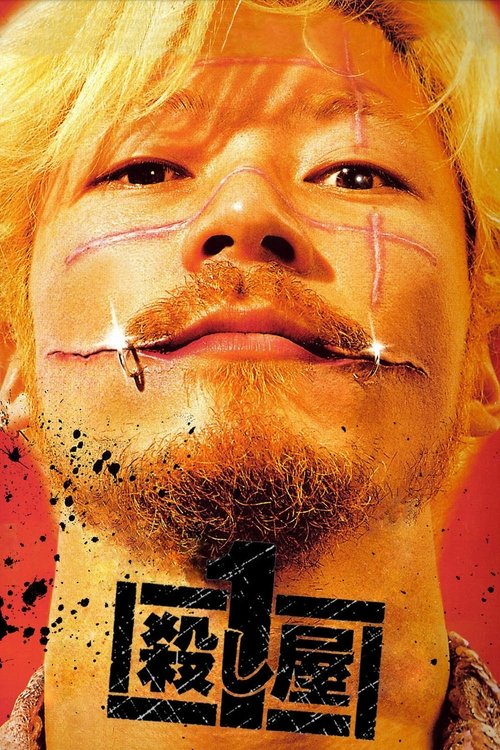
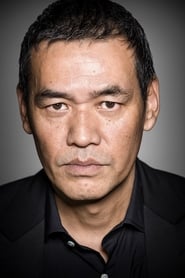
I personaggi che sfilano sulla scena sono molti, forse troppi, e di conseguenza non tutti riescono a ricevere il giusto spazio nel minutaggio concesso. Ma Miike non sembra interessato a gettare lo sguardo alle vicende di tutti i suoi personaggi, alcuni dei quali sembrano trascurati intenzionalmente, ma solo a pochi. Ad emergere sulla scena è principalmente il sado-masochista Kakihara, carismatico membro della Yakuza, che grazie ad un affascinante look grottesco (cicatrici in tutto il volto e due pircing alle estremità della bocca indispensabili a tener unita la mascella visti i due tagli non cicatrizzabili sulle guance) e la splendida interpretazione del caratterista Tadanobu Asano riesce a rubare la scena per tutta la durata del film a qualunque altro personaggio, persino allo stesso Ichi che viene rappresentato come una semplice macchina da guerra manipolata da Jijii (interpretato dal regista Shinya Tsukamoto) e incapace di raggiungere una vera e propria evoluzione durante il corso del film.
Unica nota dolente che grava su quest’immensa opera di Miike è l’utilizzo a volte eccessivo e a volte inappropriato di una computer graphic che agli occhi dello spettatore di oggi potrebbe apparire eccessivamente grezza e datata.
C’è poco altro da dire, “Ichi the Killer” oltre ad essere un tassello fondamentale nella filmografia di uno degli autori più interessanti tra quelli provenienti dall’Occidente quale Takashi Miike è una visione obbligatoria per tutti gli amanti di quel cinema estremo, capace di osare e non succube delle leggi di mercato.
Non per tutti i palati.
Commenti
Commenti (0)


Commenti