




The Verdict
A series of suicides and accidents is shaking the city. One of them particularly attracts the attention of Dr.
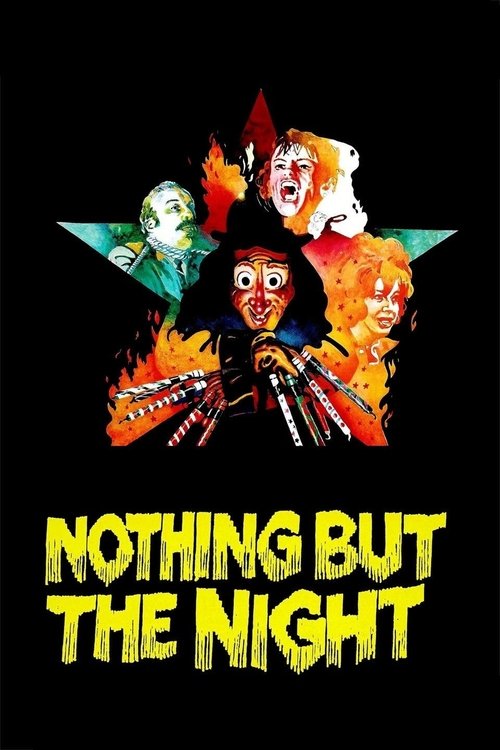
A series of suicides and accidents is shaking the city. One of them particularly attracts the attention of Dr. Haynes and Colonel Bingham: the accident involving the bus transporting the orphanage children. Mary, a surviving child, is upset and in her sleep says things that make the colonel suspicious. Perhaps it's not accidents but something organized, and everything revolves around the orphanage.
As often happened in those years and still happens today, the translation of titles from the original language to Italian has resulted in annoying and misleading outcomes. Most of the time, the total distortion of a title was a ploy to attract the masses to the theaters.
A striking example dates back to 1973, the year when "The Brain of the Living Dead" was released, a "translation" of the much more effective "Nothing but the Night". How is it possible to believe that a distortion of these dimensions was not made solely for advertising purposes if one considers that in the film in question not even the shadow of a living dead is seen? Simple, because only five years earlier, the good Romero had shaken the world with his living dead who return from the graves and naming them in a film made a few years later would certainly have attracted a considerable audience, regardless of the subject treated.
Based on the novel by John Blackburn, the film starts off quite well with a series of murders, apparently random and which will be passed off as suicides or accidents: a man falls from a balcony, a woman is killed with a gunshot, a car ends up already in a ravine and an accident
involving a bus from an orphanage with numerous children on board, in which only the driver loses his life, burned alive, despite the vehicle not having caught fire. All the deaths seem to have something in common and all are concentrated in the very first minutes of the film. And that is a good thing because it starts literally with a bang.
The ecstasy slowly fades because, with the arrival of the police and with the help of a doctor who seems to have understood something, the investigations become slow and detailed, too detailed to the point of losing the bite of the story, causing continuous yawns from the viewer. A long central part, made up of suspicions worthy of the most classic gialli with the police investigating and the people involved in the story dropping like flies. There are many moments when you risk taking the disc out of the player, like the escape of Sara's mother, really endless.
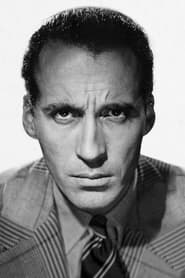
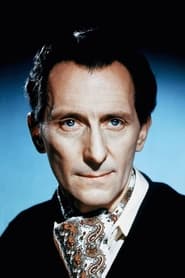
You certainly cannot talk about a bad movie. The story is there and develops coherently, the actors are all in part with two great ones like Christopher Lee and Peter Cushing at the top and a shocking ending, which revives the attention, but everything pales in comparison to the total lack of rhythm. If it had been a medium-length film, it would have worked great.
The film did not even have the expected success, in fact, it was the first and only product of Charlemagne, a newly born production company of Christopher Lee and Anthony Nelson-Keys that closed its doors after the failure of the film.
It is impossible not to think of another film that was released the same year during the finale. The lead actor was always Christopher Lee and the quality of the film was definitely higher. The film in question is "The Wicker Man", a masterpiece of horror from 1973. Who copied whom?
Add half a pumpkin
Comments
Comments (0)






Comments