












El Veredicto
Nancy, después de la espantosa muerte de su novio, de todos sus mejores amigos y de su madre, aunque se salvó, sufrió un colapso nervioso. Recuperada, se graduó en psicología y años después decidió volver a su ciudad natal.
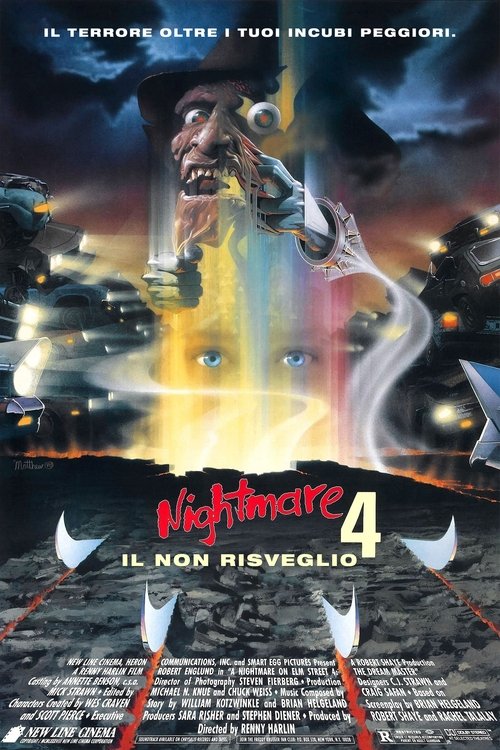
Nancy, después de la espantosa muerte de su novio, de todos sus mejores amigos y de su madre, aunque se salvó, sufrió un colapso nervioso. Recuperada, se graduó en psicología y años después decidió volver a su ciudad natal. Un colega suyo, de hecho, tiene a su cargo un grupo de chicos inadaptados que se suicidan inexplicablemente de las maneras más extrañas. Consciente de la responsabilidad de Freddy y decidida a saldar la cuenta de una vez por todas, acude en su ayuda formando un equipo de "guerreros del sueño" cuya fuerza será superar en el sueño mismo las inseguridades psicológicas y las discapacidades físicas que los persiguen en la vida real. Incluso el escéptico colega tendrá que reconsiderar su postura y se pondrá a su lado en la lucha contra el mal. Esta vez Freddy tendrá su merecido... Por primera vez se revelan los orígenes de Freddy: es hijo de una monja secuestrada y violada 50 años antes en un manicomio criminal por cientos de maniáticos sexuales. La película cuenta con un tema muy querido y, por lo tanto, escrito por el mismo Wes Craven, en el que asistimos al regreso de la hermosa Nancy, ahora más madura y preparada que la indefensa y neurótica adolescente vista en el primer capítulo, y a una de las primeras apariciones de la Arquette en el papel de Kristel, la chica cuyo poder es guiar el resultado de los sueños; pero la originalidad de la película reside sobre todo en abandonar los temas de una realidad onírica cruda y tenebrosa en favor de un mundo más colorido y lleno de acción donde las víctimas ya no son pálidas sombras con un destino marcado por las afiladas garras de Krueger, sino intrépidos héroes, cuyos rasgos psicológicos y acciones se asemejan mucho a los protagonistas de las series manga y anime que comienzan a aparecer en esos mismos años. Craven, además, tiene el mérito de haber sabido reinventar el personaje de Freddy, añadiendo una mordaz ironía en las bromas dirigidas a sus víctimas, hasta el punto de hacerse casi "simpático" para el espectador. Es una caracterización que encontraremos puntualmente y afectadamente aburrida en los diversos torpes secuelas de los años 90 (con la excepción del original "Nightmare Nuevo Incubo" en el que Craven, al final de la serie, se ocupa nuevamente de la dirección - ver reseña). En conclusión: el capítulo más divertido e innovador de toda la serie.
Comentarios
Comentarios (0)










Comentarios