












Il Verdetto
L’ispettore Amaldi, un tipo di poliziotto che sembra uscito direttamente dalla americana scuola dei duri in stile Mike Hammer, è sulle tracce di un serial killer metodico e crudele soprannominato l’impagliatore. L’assassino uccide giovani donne e si diverte a sezionarle come se fossero delle bambole.
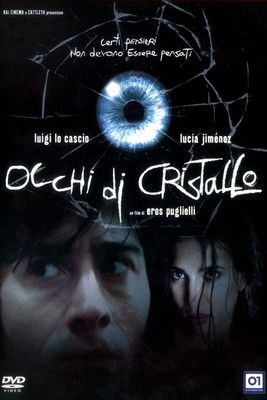
L’ispettore Amaldi, un tipo di poliziotto che sembra uscito direttamente dalla americana scuola dei duri in stile Mike Hammer, è sulle tracce di un serial killer metodico e crudele soprannominato l’impagliatore. L’assassino uccide giovani donne e si diverte a sezionarle come se fossero delle bambole. Per scovare l’uomo, Amaldi, dovrà entrare nella sua malata psicologia, calandosi in un inferno di mostruosità ed allucinanti delitti dal quale non sembra esserci via di scampo. Ma una giovane ragazza e la sua personale storia, sembrano dare al poliziotto l’esatta intuizione per riuscire finalmente a dare un identità all’omicida. L’enigma infatti è più che mai sepolto, insieme ad altri misteriosi delitti, nel passato. Al suo esordio nel thriller Eros Puglielli, ex enfant prodige del cinema italiano d’autore, sembra già dover fare i conti con l’ingrato compito di dover “far passare” l’efebica figura dell’attore Luigi Lo Cascio, anche lui proveniente dai film impegnati, come quella dello spietato poliziotto, perennemente vestito di nero, di fincheriana derivazione. I rimandi a “Seven” (1995) e a certo cinema a tinte forti degli anni ’70 sono troppi. Lo stile di regia convulso e dinamico di Puglielli regalano alla pellicola un esordio che lascia spazio ad ottimi presupposti, con Lo Cascio/Amaldi che non esita a premere il grilletto dopo aver rincorso l’autore di uno stupro. Ma dopo questo ingannevole incipit, ci troviamo addentrati in un mare di banalità con la suspense dosata col contagocce. Anche la presenza di Lucia Jimenez e il suo ruolo di bella in pericolo, minacciano incredibilmente di far cadere nella noia un prodotto tutto sommato di buona fattura, almeno coraggioso. Tratto da un romanzo “L’impagliatore” di Luca Di Fulvio, sceneggiato da quel Franco Ferrini che è il braccio destro di ogni lavoro cinematografico recente di Dario Argento, Occhi di Cristallo è una cocente occasione mancata. Onore alla distribuzione 01 e a RAI cinema che ne hanno permesso la tenace realizzazione con una co–produzione spagnola. Il film fu presentato a Venezia 2004, in una anteprima, in cui già ricevette critiche poco dolci da parte della stampa. Sperando che abbia successo nel mercato dell’home video, è un lavoro che ha un solo grande pregio: un estetica riccamente curata che dalla fotografia cupa, alle scene, passa addirittura per la locandina, a detta di molti, una delle più belle del 2004. Ma anche un solo grande difetto: essere una sorta di citazione continua di un cinema che non c’è più. Omaggiare senza innovare.
Commenti
Commenti (0)

Commenti