





El Veredicto
Laura se acaba de mudar a un nuevo apartamento. Lleva una vida apagada, sin estímulos, y tiene un novio rudo y poco devoto.
Laura se acaba de mudar a un nuevo apartamento. Lleva una vida apagada, sin estímulos, y tiene un novio rudo y poco devoto. Una mañana se despierta con moretones que han aparecido inexplicablemente en su cuerpo. A partir de ese día comenzarán a manifestarse todos los síntomas de una putrefacción prematura: uñas que se desprenden, piel que se pudre, huesos que se rompen. Ante la conciencia del fin inminente, la joven se abandonará a su suerte.
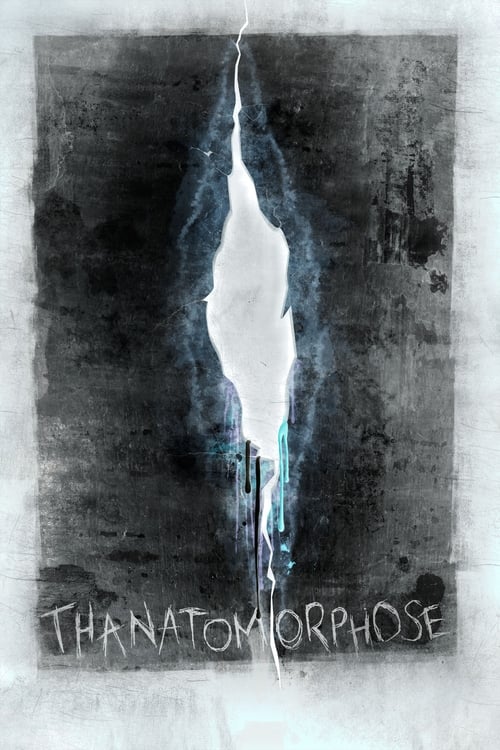
Ópera prima del canadiense Eric Falardeau, que ofrece una obra underground única en su género. La película, distribuida por la prolífica Black Lava Entertainment, vio la luz después de un tortuoso camino hecho de estudios e investigaciones en el campo de la descomposición física: el director se graduó en "estudios de cine" presentando una tesis sobre los fluidos corporales en el cine gore y porno (!!!) Todo el "saber teórico" de Falardeau se vierte en esta película, visualmente fuerte pero ajeno al concepto de pornografía del horror por el horror mismo: el proceso biológico se muestra como metáfora y espejo reflejado de una existencia vacía y resignada a su destino. La obra está dividida en tres capítulos ("desespero", "otro" y "sí mismo"), estructura que remite a "La enfermedad mortal" del filósofo Søren Kierkegaard, un ensayo que, a través del enfoque psicológico, trata el tema de la enfermedad y la desesperación como caras de la misma moneda. Y es precisamente la muerte el núcleo del film, o mejor dicho el descomponerse del cuerpo como acto conclusivo de un aniquilamiento mental y espiritual. "Thanatomorphose" carece voluntariamente de una trama narrativa y cuenta lo poco que basta sobre la vida de la protagonista y su relación no precisamente idílica con su novio, pintado como una figura insensible y brusca. Excelente la interpretación de Kayden Rose, quien tuvo que someterse a horas y horas de maquillaje: excelente el trabajo protésico y de maquillaje, hecho aún más realista por una fotografía siempre equilibrada. El director canadiense utiliza un lenguaje cinematográfico no convencional, que resulta a ratos ostico pero que logra arrastrar al espectador a un torbellino de angustia y alienación, haciéndole casi percibir a través de la pantalla el olor nauseabundo de la descomposición.
Cada detalle refleja el drama interior y exterior de Laura: secuencias dilatadas y ritmos lentos acentúan la atmósfera opresiva, aún más exacerbada por un ambiente despojado y descolorido (la casa, única locación de la película), que inevitablemente recuerda a Jorg Buttgereit, del cual Falardeau ha retomado también el estilo de dirección, siempre atento y refinado. La mutación de la chica – que no deja el mínimo espacio a la imaginación – viene acompañada por el fondo musical Guild of Funerary Violins: una marcha solemne, triste y romántica que exalta la estética de la película desentrañando el espectro de emociones ligadas al duelo y a la muerte. Obsesivo el elemento sexual, concebido probablemente como único puente de conexión con la vida: ante una grieta en la pared que recuerda las partes íntimas femeninas, Laura no renunciará a abandonarse al placer carnal en soledad, y también cuando su cuerpo caiga literalmente en pedazos, concederá una desesperada felación a un de sus (ex) admiradores, quien se encontrará frente a una escena surrealista, donde esperma, gusanos y líquidos corporales se mezclan en una danza putrefacta. En esta inexorable descenso a los infiernos, entre material orgánico en descomposición y crujir de huesos que se rompen, no hay espacio para la esperanza, no hay espacio para la lucha, existe solo la conciencia del fin. Una conciencia real, tangible, con la que cualquiera de nosotros podría encontrarse a hacer cuentas. Y es esto, quizá, el verdadero horror.
Crítica originalmente publicada en el blog M'illumino di Horror
Comentarios
Comentarios (0)






Comentarios