
Le Verdict
Adelle et sa fille Sarah viennent d'arriver de New York dans un petit village du Pays de Galles pour rejoindre James, l'ex-mari d'Adelle et le père de Sarah. James vit dans une grande maison, avec un abattoir adjacent, juste au bord d'une falaise, lieu où un grand nombre de disciples d'une étrange secte religieuse se sont suicidés en masse.
Adelle et sa fille Sarah viennent d'arriver de New York dans un petit village du Pays de Galles pour rejoindre James, l'ex-mari d'Adelle et le père de Sarah. James vit dans une grande maison, avec un abattoir adjacent, juste au bord d'une falaise, lieu où un grand nombre de disciples d'une étrange secte religieuse se sont suicidés en masse. Pendant une excursion, Sarah disparaît dans les eaux de la plage sous la falaise et, tandis que James fait draguer les eaux pour retrouver le corps de l'enfant, Adelle se désespère de ses remords ; jusqu'à ce qu'une nuit, la femme trouve une enfant qui rôde autour de la maison : c'est Ebrill, morte il y a 50 ans ! À ce moment-là, Adelle commence à croire qu'une ancienne légende galloise pourrait avoir des fondements dans la réalité ; la légende raconte d'Annwyn, un limbe où finissent les âmes des morts, mais d'où l'on peut s'échapper et revenir sur terre si un vivant prend la place du revenant.
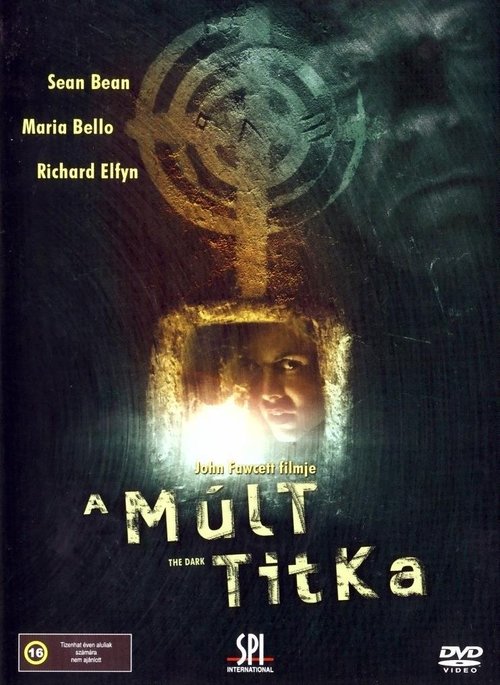
En ce début d'été marqué par le cinéma d'horreur, entre présages apocalyptiques et moisissures assassines, il y a aussi place pour une bonne dose de frissons offerts par un petit film anglais qui se distingue de la masse pour occuper une place bien personnelle dans l'univers du surnaturel cinématographique. "The Dark", bien qu'inscrit dans le registre du surnaturel à base de fantômes qui ne trouvent pas la paix, offre une approche complètement différente et tout à fait originale du thème, et ce en s'inspirant du folklore gallois. Ce que raconte ce film est la légende d'Annwyn, une réalité parallèle décadente où finissent les âmes des morts ; mais la légende raconte aussi la possibilité pour les morts de revenir à la vie, simplement par le sacrifice d'un des vivants : un simple échange.
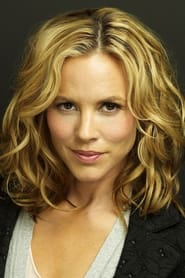
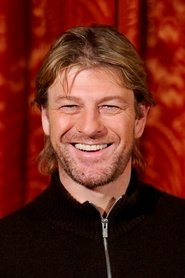
Les mythes/rites païens offrent d'innombrables pistes pour donner vie à d'excellentes histoires de peurs ancestrales et d'inquiétude subtile, mais rarement on atteint des résultats satisfaisants comme cela a été le cas avec ce "The Dark", un film construit sur un scénario d'acier (tiré du roman "The sheep" de Simon Maginn), dans lequel tout s'emboîte à la perfection, chaque événement a une conséquence acceptable et les personnages, une fois n'est pas coutume, ne sont pas de simples marionnettes. James (un Sean Bean en partie) est un père affectueux et sympathique, désireux de profiter au maximum du peu de temps qu'il a à passer avec sa fille, comme culpabilisé par le fait de ne pas pouvoir lui être proche quotidiennement ; Sarah (une antipathique et pas tout à fait convaincante Sophie Stuckey) est une fille irritée par la séparation de ses parents, victime d'une mère parfois trop distraite ; Adelle (Maria Bello, très bonne dans son rôle) est la mère distraite, souvent égoïste, peut-être incapable de gérer seule une famille. Tous ensemble, ils sont comme les moutons qui peuplent le film, ils sont à la merci des événements, prêts à se jeter d'une falaise pour apaiser la soif sanglante d'un destin moqueur.
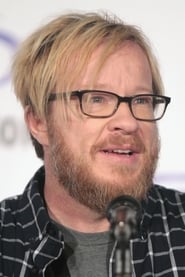
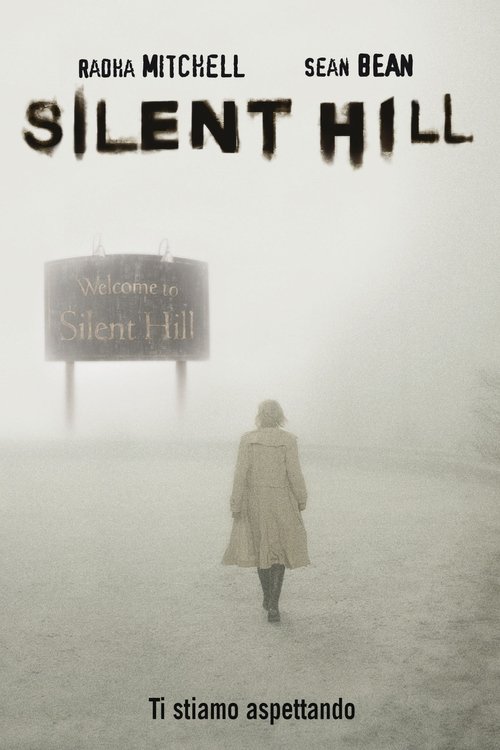
La réalisation de John Fawcett ("Ginger Snaps - Licantropia evolution") est solide et essentielle, loin de tout virtuosisme ou recherche visuelle, mais de grande professionnalité ; une mention particulière doit être faite aux lieux naturels, qui nous offrent de superbes paysages gallois constitués de plages rocheuses inquiétantes et de verts pâturages peuplés de dizaines de moutons et de monolithes funestes. Autre mérite de "The Dark" est l'excellente photographie de Christian Sebaldt, qui nous montre des extérieurs lumineux et des intérieurs gothiques et diffus, qui contrastent avec les intérieurs pourrissants et poussiéreux en sépia d'Anwynn, pas loin de la dimension onirique de Silent Hill.
Unique point faible dans un film qui fonctionne par ailleurs à la perfection est une excessive lenteur dans la partie centrale, un défaut qui peut causer le problème non négligeable de détourner l'attention du spectateur de l'histoire racontée.
"The Dark" est donc un film chaudement recommandé, surtout si l'on cherche dans un film d'horreur une histoire convaincante et originale et une bonne atmosphère d'inquiétude.
Commentaires
Commentaires (0)
Commentaires