
El Veredicto
Terry Hawkins regresa en libertad después de pasar algunos meses en prisión por delitos menores relacionados con las drogas. Una vez fuera, decide ganar un poco de dinero actuando en películas pornográficas, pero cuando sus colaboradores intentan excluirlo del proyecto, la idea original se transforma en algo muy diferente.
Terry Hawkins regresa en libertad después de pasar algunos meses en prisión por delitos menores relacionados con las drogas. Una vez fuera, decide ganar un poco de dinero actuando en películas pornográficas, pero cuando sus colaboradores intentan excluirlo del proyecto, la idea original se transforma en algo muy diferente. Para vengarse, el joven director tortura a sus enemigos hasta matarlos de las maneras más cruentas, filmando todo con el fin de realizar snuff movies.
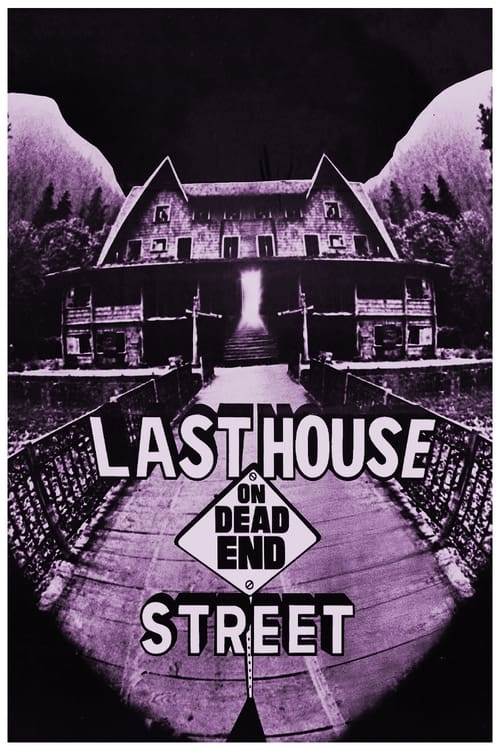
Rodada a principios de los años '70 pero estrenada solo unos años más tarde, "The Last House on Dead End Street" es una de las primeras películas —si no la primera— que aborda el tema de los snuff movies. Roger Watkins, oculto bajo el seudónimo de Victor Janos, crea una obra simplemente loca y delirante, convertida en un verdadero culto en el panorama del horror underground gracias a las numerosas voces que se han corrido a lo largo de los años: la irreperibilidad de la película avaló la idea de que las violencias perpetradas eran reales y no producto de la ficción. El lanzamiento del DVD en 2000 canceló definitivamente cualquier duda, pero quedó el aura de misterio que contribuyó a aumentar la fama de esta perla malsana, especialmente en los años '80.
Watkins dirigió la película en un estado mental alterado por las drogas, que se procuró utilizando gran parte del (ridículo) presupuesto: de los 3000 dólares disponibles, solo 800 se invirtieron realmente en la producción de la película. No es casualidad que se tenga la sensación de asistir a un viaje alucinante, perverso y ácido; la perfecta transposición a la película de un estado psíquico alterado y totalmente ajeno a la realidad. El material original sufrió cortes de 30 minutos, además de diversos retoques en el montaje, claramente perceptibles durante la visualización.
La trama, que podría recordar a "The Life And Death Of A Porno Gang" (M. Djordjevic, 2009), no es más que un pretexto para pintar con desarmante crudeza el retrato de una sociedad rica pero tremendamente aburrida, que compensa su malestar participando en "excitantes" fiestas basadas en torturas y humillaciones. Por otro lado, hay la necesidad económica que impulsa a un joven director —no muy sano de mente— a cometer cualquier tipo de atrocidad con tal de obtener un beneficio.
La película está ambientada casi en su totalidad en el interior de un edificio de Nueva York. El guión, fragmentado y desconectado, está mal sostenido por una dirección aproximativa y casi improvisada; a esto se añade la mediocre actuación de los diversos intérpretes, enfrentados a diálogos insignificantes y risas delirantes e incontrolables.
A pesar del desastroso departamento técnico, la película está lejos de caer en el olvido. A una primera parte bastante desconcertante y confusa, que tiene más que nada la función de introducir y preparar al espectador para la matanza final, le sigue un desenlace bestial y sangriento. De hecho, la locura del protagonista y de su pandilla toma cuerpo en los segmentos finales, en una atmósfera enfermiza y surrealista donde luces, máscaras y un escenario desolado sirven de fondo a lo que parece ser el teatro de los horrores: desmembramientos, mutilaciones y abusos sexuales se suceden de manera brutal, sin sacrificar ningún detalle macabro al ojo de la cámara. Para completar el inquietante cuadro, una nana hipnótica acompaña las secuencias más impactantes ("¡Es solo una película! ¡Es solo una película!"), reforzando ese clima de total alienación que se respira desde el primer hasta el último segundo.
Muy adelantada a su tiempo, "The Last House on Dead End Street" sorprende no tanto por la violencia visual —bien escenificada gracias a una dosis suficiente de gore artesanal— sino sobre todo por la idea innovadora en la que se basa, en relación con un contexto cinematográfico aún fértil, que comenzaba justo en esos años a abrir la puerta a temas candentes y controvertidos.
Si por un lado la película tropieza, debido a un enfoque técnico/estilístico muy deficiente, por otro destaca por las ingeniosas ideas del director y la espontaneidad visionaria con la que se representan ciertos contenidos, definitivamente fuertes para la época. Una visión interesante y onírica que merece ser redescubierta; una parada obligada y fundamental para todo amante del explotación.
Comentarios
Comentarios (0)

Comentarios