










Il Verdetto
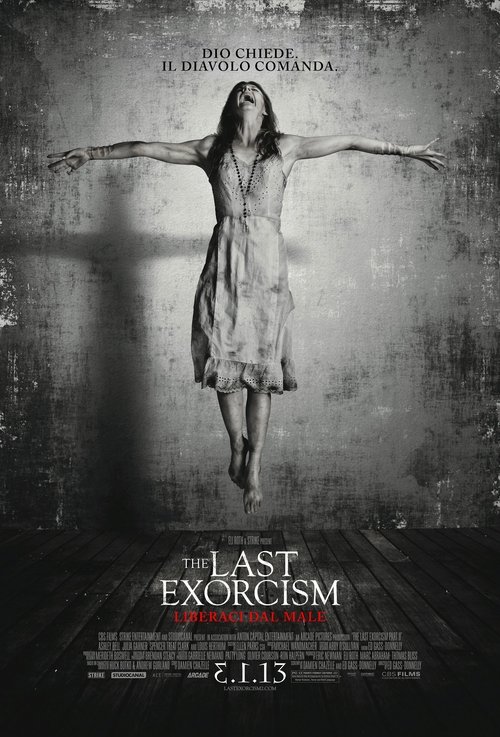
Dopo aver partorito il figlio del demonio, Nell riesce a liberarsi dal demone e a fuggire in una cittadina vicina al villaggio dell’esorcismo. Viene cosi recuperata e messa in una casa per ragazze sole o con problemi di vario tipo dove inizierà la sua cura, ma il demone che le ha rovinato la vita sembra volerla riavere con se.
Dopo aver partorito il figlio del demonio, Nell riesce a liberarsi dal demone e a fuggire in una cittadina vicina al villaggio dell’esorcismo. Viene cosi recuperata e messa in una casa per ragazze sole o con problemi di vario tipo dove inizierà la sua cura, ma il demone che le ha rovinato la vita sembra volerla riavere con se.
Daniel Stamm nel 2010 firmava uno dei migliori film del filone esorcistico degli ultimi anni, a parere di chi scrive: “L’ultimo esorcismo”. Non si trattava certo di un capolavoro o di qualcosa di particolarmente innovativo ma era riuscito a creare quel mix di tensione e di originalità che, con l’aggiunta di un ottimo finale a sorpresa, lo facevano risultare un film sicuramente interessante e apprezzabile. Il finale poi lasciava aperte parecchie strade ed introduceva alcuni elementi che incuriosivano e che sarebbe stato interessante vedere sviluppati… e qui veniamo a noi e al sequel “The Last Exorcism: Liberaci dal Male”.
Il film in questione (che abbandona la tecnica del mockumentary), ancora prodotto da Eli Roth, si presenta come sequel diretto del precedente capitolo. La pellicola racconta ciò che succede subito dopo il famoso finale a effetto e capiamo fin da subito che al regista Ed Gass-Donnelly (che qui firma anche la sceneggiatura) non piace vincere facile perché riesce nell’ardua impresa di partire con degli ottimi spunti, con delle ottime questioni ed elementi lasciati in sospeso nel primo capitolo buttando tutto nella spazzatura e ricostruendo un film da zero basandolo su una trama stupida e banale, con l’unico elemento che collega i due film che risiede nella persona della protagonista, ancora uan volta interpretata da Ashley Bell.
Il figlio del demonio? La setta satanica del villaggio? La misteriosa scomparsa del falso reverendo? Nulla di tutto questo è (quasi) nemmeno menzionato, piuttosto ci troviamo ad assistere al nulla per 88 lunghi minuti.
Nell, la ragazza protagonista, dopo un’improbabile quanto tiratissimo prologo, la ritroviamo in cura in una specie di casa/clinica per ragazze e quando la
guarigione sembra stia andando per il verso giusto il demone tornerà a farle visita… per amore!
La prima mezz’ora del film vede la guarigione di Nell che lentamente si rende conto di avere ancora il demone alle calcagna, la seconda mezz’ora di film vede invece la donna che si è resa conto di avere il demone alle calcagna, mentre gli ultimi venti minuti vedono un improbabile e frettolosissimo finale.
In tutto questo ci vengono introdotte situazioni e personaggi inutili a ripetizione, tutti senza uno scopo e senza un senso, a partire dal timido ragazzo di cui Nell si prende una cotta, alle compagne di stanza che hanno una costruzione di un “non so che” di malvagio ma che a metà film spariscono, all’infermiera facente parte di una setta “anti demoni” inserita in modo talmente forzato e macchinoso da risultare irritante, per continuare con il padrone della casa o con la figura del padre morto che ogni tanto fa una capatina sul set e viene inquadrato.
Si accenna poi ad alcuni temi come l’emancipazione, i social network o la difficoltà di (ri)trovare una vita sentimentale dopo il trauma, ma sono tutte cose non sviluppate e si esauriscono con un paio di scene.
Ovviamente il tutto “procede” senza un minimo di coinvolgimento emotivo, senza alcuna scena di
tensione degna di nota e con le pochissime scene sanguinose auto-censurate ed edulcorate al limite del sopportabile.
Da salvare giusto un paio di passaggi decentemente riusciti (la scena fuori casa di Nell in cui la protagonista cerca il ragazzo), ma purtroppo il resto se la gioca tra il comico involontario (poco) e la noia più straziante (tanta).
Specifichiamo inoltre che non ci si trova nemmeno davanti ad un classico film esorcistico poiché in realtà il demone non si presenta mai nella protagonista e l’unica sorta di esorcismo lo si trova verso la fine senza che lasci assolutamente alcun segno nello spettatore.
Alla fine si decide inoltre di usare degli effetti CGI (per una scena che sfiora il patetico) orrendi ed assolutamente inutili, giusto per non farci mancare nulla.
“The Last Exorcism: Liberaci dal male”, in conclusione, si propone come un film del tutto indipendente dal suo predecessore, mostrando fin da subito di non aver nulla da dire e si trascina stancamente e pesantemente per una lunghissima ora e mezza.
Via mezza zucca
Commenti
Commenti (0)



Commenti