




Les Nerfs à vif backdrop
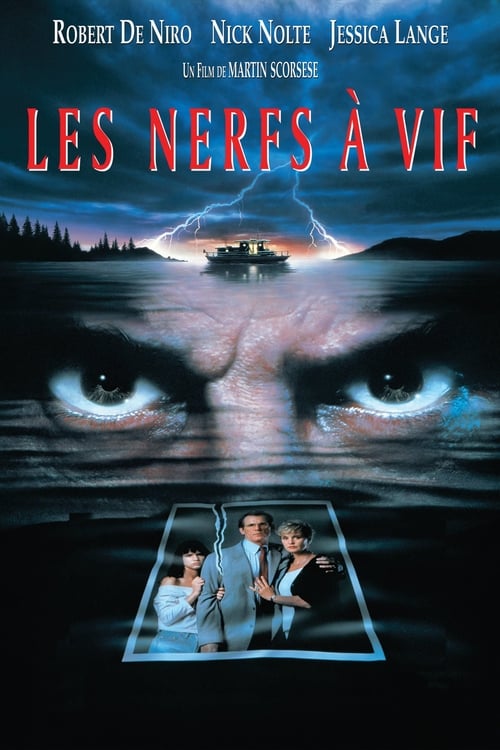
Les Nerfs à vif poster

LES NERFS À VIF

Cape Fear

1991 US HMDB
novembre 13, 1991

Condamné à quatorze ans de prison pour viol et voie de fait sur une mineure, Max Cady n'a jamais pardonné à son avocat Sam Bowden de l'avoir abandonné. Tout au long de sa peine, il s'est employé à discipliner son corps et son esprit, se fixant pour unique but de châtier Bowden, de briser les siens. Et aujourd'hui, Max Cady est libre…

Réalisateurs

Distribution

👍 👎 🔥 🧻 👑

Commentaires

Commentaires (0)

Equipe

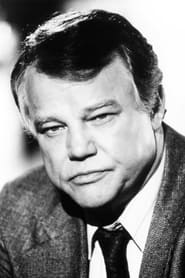
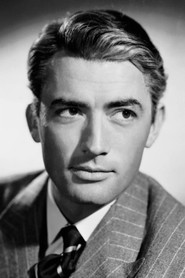
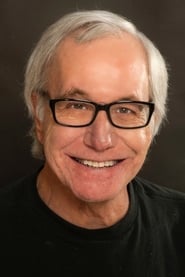
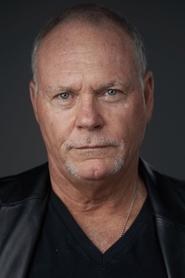
Production: Frank Marshall (Executive Producer)Barbara De Fina (Producer)Kathleen Kennedy (Executive Producer)
Scenario: Wesley Strick (Screenplay)
Musique: Elmer Bernstein (Original Music Composer)Bernard Herrmann (Original Music Composer)
Photographie: Freddie Francis (Director of Photography)

CRITIQUES (1)

Andrea Costantini
Max Cady, un homme violent et très dangereux, vient de sortir de prison après avoir purgé seize ans pour viol et s'est installé dans la ville où vit son ancien avocat Sam Bowden et toute sa famille. Initialement, il cherche à lier connaissance avec l'avocat, mais en réalité, ses intentions vont bien au-delà de l'amitié. Il est convaincu que le juriste ne l'a pas bien défendu pendant le procès, qu'il a même volontairement omis des détails sur son cas pour le faire finir derrière les barreaux. Avec la haine au cœur, Cady met en place un plan diabolique pour tourmenter Sam et sa famille. Revenons au début. Nous étions en 1962 lorsque Lee Thompson, réalisateur du film "Les Canons de Navarone", s'inspirant du livre "The Executioners" de John McDonalds, a dirigé deux monstres sacrés du cinéma mondial que sont Robert Mitchum et Gregory Peck, des interprètes si puissants qu'ils ne peuvent que se matérialiser devant les yeux lorsqu'on prononce le mot Acteur. Le film était "Le Cap de la peur", encore aujourd'hui un grand exemple de cinéma de tension. Trente ans plus tard, voici qu'un pilier du cinéma moderne, peut-être le plus grand réalisateur encore en vie, auteur de chefs-d'œuvre absolus tels que "Taxi Driver" et "Les Affranchis", reprend l'histoire du criminel Max Cady et de l'avocat persécuté Sam Bowden. En effet, Martin Scorsese s'attaque à son premier remake, réadapte les événements originellement racontés par Thompson et les fait siens, grâce à l'inimitable style qui l'a rendu célèbre. Gros plans, montage rapide alterné avec des plans-séquences, carrellages célères et un casting qui fait de son mieux pour éclipsé le film précédent. Tout cela est "Cape Fear", "Le Cap de la peur" version années 90. On parlait du casting, donc il semble approprié de commencer par les présentations : les époux Bowden sont interprétés par Nick Nolte et Jessica Lange (alors déjà primée aux Oscars pour "Tootsie"), deux acteurs parfaitement dans leur rôle de famille tourmentée par une erreur du passé. Des apparitions illustres également pour les interprètes originaux Peck et Mitchum qui ne pouvaient manquer au carrousel de stars du film. Avons-nous oublié quelqu'un ? Évidemment que oui. La raison principale pour laquelle "Cape Fear" entre de plein droit dans la liste des films qui ne peuvent manquer dans la vidéothèque d'un véritable amateur de thriller est précisément la partie restante du casting qui n'a pas encore été citée : Robert De Niro, qui n'a pas besoin de présentation, et la (alors) semi-inconnue Juliette Lewis. Sur leurs épaules, comme sur celles du mythique Atlas, repose l'univers du film. Le duo d'acteurs interprète respectivement un maniaque aux limites du démoniaque, une créature du mal qui n'a pas de scrupules à détruire tout ce qui est cher à l'avocat qui l'a jeté en prison des années plus tôt, et une adolescente embarrassée, une enfant déroutée qui vient d'entrer dans le monde réel, chargée de l'envie de transgresser mais qui a encore du mal à comprendre à quel point il peut être mauvais. L'association de ces deux personnages, l'antithèse l'un de l'autre, est le carburant qui fait fonctionner le film. "Cape Fear", bien que d'un titre respectable, n'aurait pas laissé une marque aussi profonde si Scorsese avait choisi d'autres protagonistes. Le climax du film est atteint dans une scène désormais entrée dans l'anthologie scorsesienne, dans le long dialogue entre Cady et Danielle au théâtre, une scène statique qui a une force telle qu'elle colle l'écran au spectateur et atteint le sommet du climax de la performance des deux acteurs, tous deux méritamment nommés aux Oscars. Mais ce n'est pas seulement le casting qui se distingue dans le film de Scorsese. Pour accompagner le carrousel d'étoiles, le montage de Thelma Schoonmaker, fidèle collaboratrice du réalisateur depuis "Who's That Knocking at My Door?", devient immédiatement un élément nécessaire à la réussite du film. En effet, il donne au film un rythme intense qui accompagne le spectateur du début à la fin sans l'ennuyer. Tout cela est accompagné d'une bande sonore glaçante, désormais célèbre, autre pilier du film. Le reste est un bel exercice de style, qui a le défaut d'en faire un peu trop dans certaines parties, surtout dans la finale où De Niro frôle l'omnipotence. Mais peut-être que tout est volontairement une exagération, à partir du corps (exagérément) tatoué de Max Cady qui prône la justice et son (exagérée) soif de vengeance pour avoir passé des années en prison. Et comme le dit justement Cady dans une autre scène importante, "Je suis semblable à Dieu et Dieu est semblable à moi ! Je suis grand comme Dieu, Il est petit comme moi ! Il ne peut pas être au-dessus de moi, ni moi en dessous de Lui !" Peut-être que cela suffit à justifier l'amplification de la fin.
👍 👎 🔥 🧻 👑

Commentaires

Commentaires (0)

Où Regarder

Louer

Apple TV Apple TV
Amazon Video Amazon Video
Rakuten TV Rakuten TV
Google Play Movies Google Play Movies
Chili Chili

Acheter

Apple TV Apple TV
Amazon Video Amazon Video
Rakuten TV Rakuten TV
Google Play Movies Google Play Movies
Chili Chili

AVIS DE LA COMMUNAUTÉ (3)

Eky

Meet Max Cady, the most terrific villain role De Niro ever played simply because he successfully portrayed a crook who possesses a very complex personality of being stone-cold, violent, absolutely merciless, also on the other hand quite witty and charismatic to ever lure Danielle Bowden (Juliette Lewis) into his trap when he pretended to be her drama teacher so convincingly. Martin Scorsese’s Cape Fear tells the story of a brutal rapist who waited for so long just to be able to avenge his wrath towards Attorney Sam Bowden (Nick Nolte) for he believed that Bowden could have done much better in defending for his case. This film is well-told with so many suspense elements through some shocking events throughout the film.

Cape Fear is one of the examples of film whose remake, in some ways, considered outwits the original one produced in 1962 starred Robert Mitchum and Gregory Peck. This is quite understandable remembering the remake was filmed many years later, with sufficient advancements in technology and financial supports. In Cape Fear, De Niro managed to portray the chilling Max Cady successfully. He had a best-laid plan to avenge his disappointments/hatred towards Bowden by studying laws in prison just to be able to find the flaws that in the end shall leave him untouchable by the law.

Sometimes it’s amazing to understand how an actor/actress willing to go through for the sake of a role. Robert De Niro paid a dentist $5,000 to make his teeth look suitably bad for the role of Max Cady whereas right after filming, he paid $20,000 to have them fixed. De Niro migh have been spectacular in portraying Cady but we also have to consider how remarkable and superb were Peck and Mitchum.

Filipe Manuel Neto

Filipe Manuel Neto

8 /10

A really very good movie, and proof that there are remakes that are really worth it for their quality and good execution.

I've just seen this movie (which I've actually seen on television, but without paying enough attention to a movie I want to write something about) and once again I was very impressed. The truth is that, without wanting to legitimize the practice, which is often taken to exaggeration, there are remakes that manage to justify themselves, not only for the quality they demonstrate, but also for the gift, not to mention, of drawing the public's attention to the older movies. I can give my personal example: it was the contact with some remakes that made me know that there were older films and go looking for them to be able to see them.

This film maintains, without significant changes, the story told in the older film, which dates from 1962 and was starred by Gregory Peck and Robert Mitchum: very briefly, it is the story of a lawyer who finds himself persecuted and threatened, with his wife and daughter, by a spiteful ex-con who blames him for many years of incarceration. Of course, there are things that change between the two films, and this film has the advantage of not giving us a simple story where a terribly bad man wants to harm a very nice man. Bowden, the lawyer, is a man with a past full of mistakes (much like many of us) who hasn't always been good at his job and his role as a husband and father, and we see that, and the way character is called upon to face the consequences. The sexual theme, which the original film attenuates a lot (due to the restrictions imposed on cinema at the time), is also more pronounced here, transforming Max Cady into an almost perfect pervert.

In addition to the nuances that make the film denser and with a more complex story, we can count on an excellent cast where Robert De Niro steals all the attention, thanks to a powerful, convincing and genuinely menacing interpretation. This film is worth seeing just to savor the actor's performance. Nick Nolte played attorney Sam Bowden, a man who desperately seeks to protect his family. The actor is good and does a good job. Much less interesting, Jessica Lange and Juliette Lewis play the lawyer's wife and daughter in an ambiguous and sometimes very unpleasant way: Lange can still reasonably extricate herself from the challenge she has, but Lewis has turned her character into a kind of teenage nymphet who sees Cady as a terrifying sexual temptation rather than having the discernment and intelligence necessary to at least realize the risk her entire family is running. Also a reminder of the cameos of honor by Gregory Peck, Robert Mitchum and Martin Balsam, three actors who were pivotal in the original film. Incidentally, this film would end up being the last in the life of Peck, who died shortly after.

Martin Scorsese made this film as a means to an end, that is, a way to get the studio to invest in another film he wanted to make. Anyway, and for whatever reason, it was a good bet by the director. The film deserves our attention and is full of merits. The filming work and cinematography are excellent, the sets and costumes too, with an emphasis, of course, on the scenes on the Bowden houseboat. The effects were also well done, although not particularly extraordinary. The central score of this film is the same as its older counterpart, composed by Bernard Herrmann, one of the best and best conceived by the composer, and which is already part of the collective memory.

CinemaSerf

CinemaSerf

7 /10

"Cady" (Robert De Niro) is released from jail after serving eighteen years for rape. He alights on the doorstep of his erstwhile defending counsel "Bowden" (Nick Nolte) with his cigar and his red sports car and generally starts intimidating the man and his family. Why? Well it turns out that the lawyer had buried some evidence during the trial that may have cast doubt on the voracity of the evidence given by the victim - and so now, "Cady" has revenge in mind. Now I loved the 1962 version of this film - Robert Mitchum is superb - and so I was always a bit sceptical about this remake. No, this honestly isn't a patch on that version, but that's as much to do with it being in colour and with it featuring the really poorly cast Nick Nolte and Jessica Lange. De Niro thrives in his element as the manipulative and genuinely odious character whilst Martin Scorsese allows the tension to increase, the sense of desperation and control to blossom and for a genuine sense of peril to develop. Hats can also go off for a strong effort from Juliette Lewis as the daughter "Danni" - a naive young girl whom "Cady" soon has in his sights. The setting for the denouement is as good as cinema can offer - an houseboat and a rainstorm - and as remakes go, this is not bad at all.

Avis fournis par TMDB