

Asylum - La Morte Dietro il Cancello backdrop
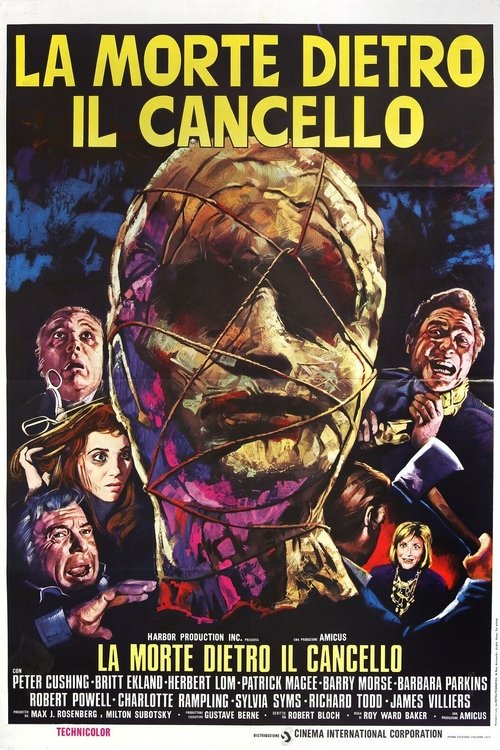
Asylum - La Morte Dietro il Cancello poster

ASYLUM - LA MORTE DIETRO IL CANCELLO

Asylum

1972 GB HMDB
novembre 17, 1972

Il giovane dr. Martin si presenta alla clinica psichiatrica del dr. Star per venirvi assunto come assistente interno. Accolto dal socio dr. Rutheford, viene affidato all'inserviente Max per una visita ai ricoverati tra i quali, onde dimostrare le proprie capacità, dovrebbe individuare Statr, a sua volta impazzito. La prima paziente, Bonnie, racconta come sia impazzita quando si è vista assalita dalle membra impacchettate di Ruthy, moglie assassinata dall'amante Walter. Il sarto Bruno narra di avere ucciso il cliente Smith e di essere stato assalito da un manichino, Otto, rivestito dall'abito confezionato per il defunto figlio di Smith. Barbara racconta le uccisioni del fratello George e dell'infermiera Higgins operate dall'amica Lucy, che poi si scopre essere lei stessa. Il dr. Byron uccide Rutheford con un robot in cui immette se stesso, ma poi viene trovato strangolato. Solo a questo punto Martin s'accorge che Star è lo stesso Max, e rinuncia all'incarico, ma viene ucciso.

Cast

👍 👎 🔥 🧻 👑

Commenti

Commenti (0)

Troupe

Produzione: Gustave M. Berne (Executive Producer)Milton Subotsky (Producer)Max Rosenberg (Producer)
Sceneggiatura: Robert Bloch (Writer)
Musica: Douglas Gamley (Original Music Composer)
Fotografia: Denys N. Coop (Director of Photography)

RECENSIONI (1)

Roberto Giacomelli
Il Dott. Martin arriva all'ospedale di Dunsmore per essere assunto come nuovo psichiatra dopo che il Dott. Starr è impazzito ed è stato ricoverato come paziente all’interno della stessa struttura. Ad accogliere Martin c'è il Dott. Rutherford che lancia una sfida al nuovo arrivato: se riuscirà a identificare Starr tra i pazienti sarà assunto. Martin si reca allora nel reparto e ascolta le storie di quattro pazienti, uno dei quali è Starr. Bonnie racconta della tragica fine del suo amante Walter, che uccide la moglie Ruth e la fa a pezzi ma poi va in contro alla furia vendicativa delle parti anatomiche resuscitate della stessa. Il sarto Bruno racconta dell'abito cucito con la strana stoffa magica procuratagli dal signor Smith per confezionare un vestito per il figlio morto. La problematica Barbara testimonia la morte del fratello ad opera della sua amica immaginaria Lucy. Il Dott. Byron è convinto di poter trasferire le anime delle persone in alcuni burattini da lui stesso costruiti. “La morte dietro il cancello”, conosciuto anche con il meno suggestivo ma più pertinente titolo originale “Asylum”, è il classico prodotto Amicus del periodo più ispirato della celebre casa di produzione inglese. Ideale concorrente della Hammer, la Amicus si era specializzata in film horror a episodi che avessero nel cast i celebri nomi del cinema dell’orrore lanciati proprio dalla casa avversaria, Peter Cushing e Christopher Lee in primis. Il successo della Amicus fu inaugurato dal bellissimo e seminale “La cinque chiavi del terrore”, a cui seguirono diversi altri horror a episodi come “Il giardino delle torture”, “La casa che grondava sangue”, “Racconti dalla tomba” , “La bottega che vendeva la morte”, “Il club dei mostri” e “La morte dietro il cancello”, appunto. C’è da dire che la qualità delle produzioni Amicus era medio/alta con la sola aggravante della ripetitività della formula che tendeva a far somigliare (e confondere tra loro) i vari film. “La morte dietro il cancello” è uno degli esempi di livello qualitativo più alto del modus operandi/narrandi della celebre casa britannica, dal momento che presenta una storia di base (la cornice) che si amalgama in modo pressoché perfetto con i vari episodi, entrando a far parte direttamente del corpus episodico. Uno dei problemi di questi film, infatti, era spesso il mostrarsi come semplici raccolte di cortometraggi con pretesti narrativi da collage poco efficaci, con la conseguenza che si tendeva a ricordare il singolo episodio riuscito e non il film nel complesso. Con “La morte dietro il cancello”, invece, sono riusciti a costruire un film compatto che è allo stesso tempo episodico ma anche fruibile come opera unica. Le quattro storie sono cucite tra loro coerentemente e l’ultima, tra l’altro, riesce addirittura a presentarsi come tutt’uno con la storia di cornice. Ovviamente, come tutti i film a episodi, il valore è fatto anche dalle singole parti e “La morte dietro il cancello” presenta alti e bassi. I primi due episodi sono assolutamente i migliori. Il primo, che ci presenta Richard Todd (“Il giorno più lungo”) e Barbara Parkins (“La macchia della morte”) alle prese con un cadavere fatto a pezzi e magicamente resuscitato, è forse il più celebre e sicuramente il più genuinamente spaventoso. Vedere i pezzi anatomici impacchettati e vivi che danno la caccia ai due amanti nello scantinato di casa è allo stesso tempo divertente e inquietante, in piena sintonia con i tempi e i ritmi di un racconto di paura veloce. La seconda storia è più complessa ed elaborata, comprende un bel colpo di scena e punta molto sulla caratterizzazione dei due personaggi principali, i bravissimi Barry Morse (il sarto) e Peter Cushing (il committente), entrambi sofferenti per diversi motivi e assolutamente in parte. Il terzo episodio, con una bellissima Charlotte Rampling (“Il portiere di notte”) è più convenzionale e prevedibile, pur risultando gradevole e ben costruito. È il quarto episodio, quello che si collega con la cornice, a lasciare maggiormente delusi poiché è un nulla di fatto se preso a se e poco pertinente con la storia più generale. Il tema è quello delle bambole assassine, quelle che saranno rese famose dalla Full Moon con la serie di “Puppet Master”, però manca tensione e un’idea di base realmente accattivante. Fortunatamente, però, il film trova un finale con colpo di scena assolutamente riuscito che chiude un’opera che sembrava cominciare a zoppicare proprio all’ultimo. Regia e sceneggiatura di due nomi celebri che in genere sono sinonimo di qualità: Roy Ward Baker (“Vampiri Amanti”, “Barbara, il mostro di Londra”) a dirigere e Robert “Psycho” Bloch allo script. Decisamente consigliato.
👍 👎 🔥 🧻 👑

Commenti

Commenti (0)

RECENSIONI DALLA COMMUNITY (3)

veridical

6 /10

One of the better anthology films from England's other house of horror, Amicus. The framing story that leads into the final story with Herbert Lom and a really creepy (if a bit slow) robot doll is crazy and the basic idea I think holds up for a series. The other stories are a mixed bag. The first one is quite grisly, but it's unclear how the narrator knows all the details she tells. The second scores points for featuring Peter Cushing and a really bizarre story, but the ending is a bit confused. The penultimate story is unique only for it's casting, the idea of seeing Britt Ekland as Charlotte Rampling's murderous alter-ego seems like it should be reversed. Some of the music is overdone to the point of absurdity, cue the robot Herbert Lom slowing making his way to a dumbwaiter accompanied by a bombastic score that makes every inch it travels like a knife in the ear.

John Chard

John Chard

7 /10

Creaky, funny and rather unsettling.

The house of Amicus productions brings to us a horror anthology directed by Roy Ward Baker and written by "Psycho" scribe Robert Bloch. The four stories center around Robert Powell's job seeking Dr. Martin. Whom upon arriving at the classy, yet foreboding looking Asylum (New Lodge, Winkfield, Berkshire, England), is required to interview the four patients up on the top floor so as to prove his credentials for the position. As with all anthology horror pictures, the stories vary in quality, but what is consistent though is that the atmosphere and mystery element to it all never flags. Atmosphere that is somewhat boosted by Douglas Gamley's impacting construction of Modest Mussorgsky's music.

'Frozen Fear' sees a murdered wife come back to reek revenge on her husband and his lover. Not a bad trick since she was dismembered!.

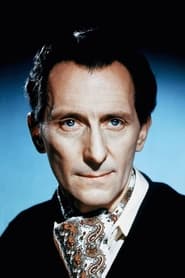
'The Weird Taylor' has Peter Cushing as a grieving father who will do anything to bring his deceased son back to life.

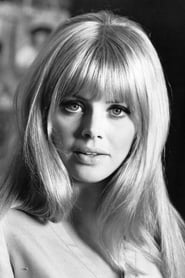
'Lucy Comes to Stay' features Charlotte Rampling and Britt Eckland in a murderous spin on the "imaginary friend" angle.

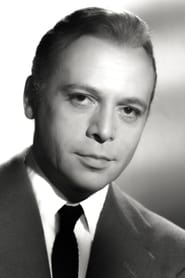
'Manikins of Horror' is the last story which stars Herbert Lom as a maker of little robotic dolls that have worryingly realistic faces.

All of which leads us to the finale where we get a nice and rewarding twist. It's a good production is this, the direction and writing is fluid and there are some genuinely creepy and unsettling moments. Perhaps not one to rush out for if you want to be scared on Halloween, but certainly a picture that achieves a high level of genre entertainment. 7/10

CinemaSerf

CinemaSerf

6 /10

Robert Powell (never the strongest character actor) is a young psychiatrist tricked into interviewing four patients in an asylum in order to get a job. Each have a fairly fantastic tale to recount that might explain their current predicament - or, maybe - just maybe, their recollections are true!? My favourite of the four stories features Peter Cushing as a tailor tasked with making a suit from a particularly pliable material, but the others are interesting too with their fair share of voodoo, nasty dolls and some good old family enmity. The narrative is structured well, with each story engagingly self-contained within the asylum environment. Keep an eye out for Charlotte Rampling, and an ear on the rather effective Douglas Gamley score that does much of the heavy lifting required to compensate for some pretty ropey dialogue at times. Made in 1972, I wonder if it might have been more effective had it been a few years earlier, with the additional atmospheric benefits of monochrome?

Recensioni fornite da TMDB