The micro-budget Indie that brought the Dracula story to the modern day
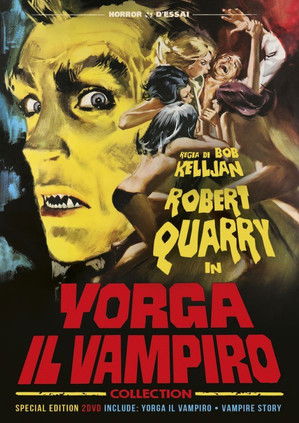
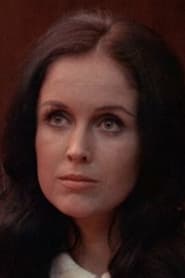
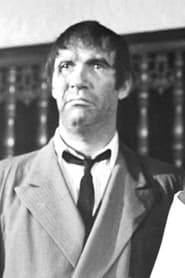
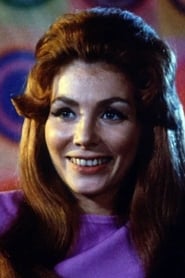
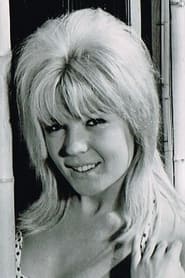
Three Los Angeles couples in their 20s-30s hold a séance with a mysterious immigrant from Bulgaria, a count (Robert Quarry). When one of the couples drives him home in their Volkswagen van, they become suspicious of the man. Could he be… a vampire.
“Count Yorga, Vampire” (1970) was originally to be called “The Loves of Count Iorga, Vampire” and this explains the title during the opening credits of the version I viewed. It also explains why a couple of the characters (not all) pronounce the Count’s name as ee-OR-gah.
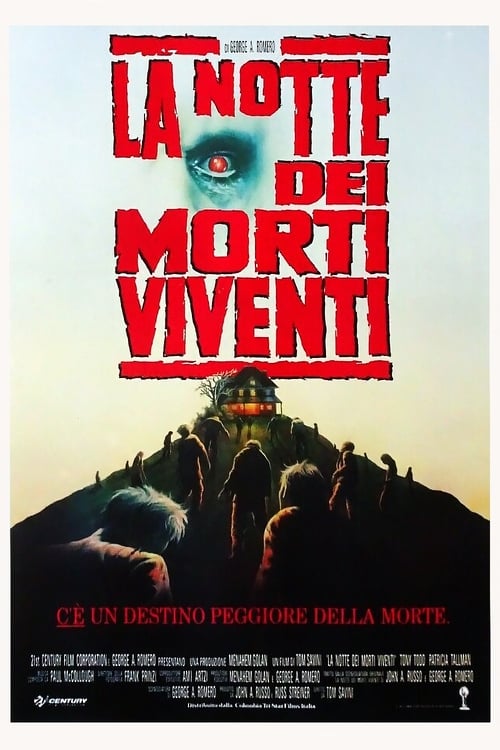
This is an Indie by Erica Productions that AIP wisely decided to distribute. It only cost $64,000 (which is $50,000 LESS than “Night of the Living Dead”), but is superior to some of the Hammer vampire flicks. And, actually, influenced Hammer’s decision to set their next two Dracula movies in the 70s; I’m talking about "Dracula A. D. 1972" (1972) and "The Satanic Rites of Dracula” (1973). It was also the inspiration for the haunting cult Indie "Lemora: A Child's Tale of the Supernatural" (1973).
While it’s currently an all-but-forgotten cult film, what made it so influential at the time is the successful transference of the basic Dracula story to modern times. In this case the City of Angels in SoCal, which made it more relatable to people of 1969 (when it was shot), the summer of the Manson murders.
Despite the micro-budget, there’s a serious, creepy air and several memorable scenes, like the late-night guests who prattle on and won’t leave. It has the confidence to take it’s time and not rush things. Expect the staples of the Dracula flicks, albeit in a new (at the time) variation, such as Drac’s repulsive house servant, his trio of undead wives, and a substitute for Dr. Van Helsing (Roger Perry).
Whereas Lee's Dracula was more diabolic, he was boring as a character and therefore had few words of dialogue. Quarry's Yorga, by contrast, is intriguing as a person, undead or not, similar to Langella's take in his 1979 version of “Dracula.”
The success of "Count Yorga, Vampire" resulted in a sequel the next year, "The Return of Count Yorga."
The flick runs 1 hour, 33 minutes, and was shot in Los Angeles.
GRADE: B




Commenti