







Le Verdict
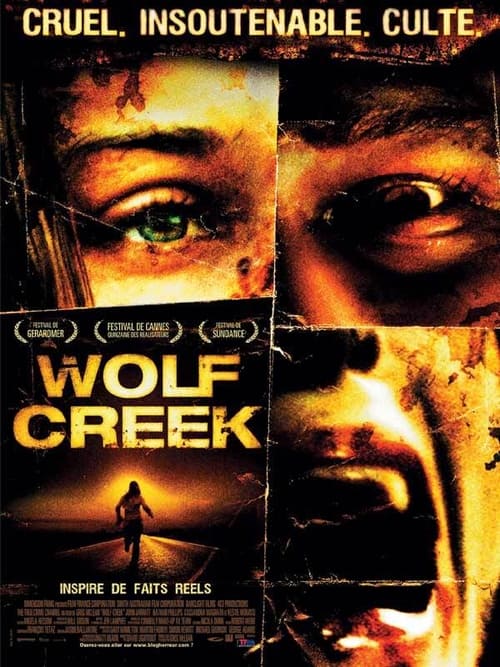
Trois jeunes touristes, deux filles et un garçon, louent une voiture et partent pour un voyage on the road à travers les déserts d'Australie. Lorsqu'ils arrivent dans le cratère météorique de Wolf Creek, ils campent pour passer la nuit là-bas, mais une averse les pousse à avancer leur départ.
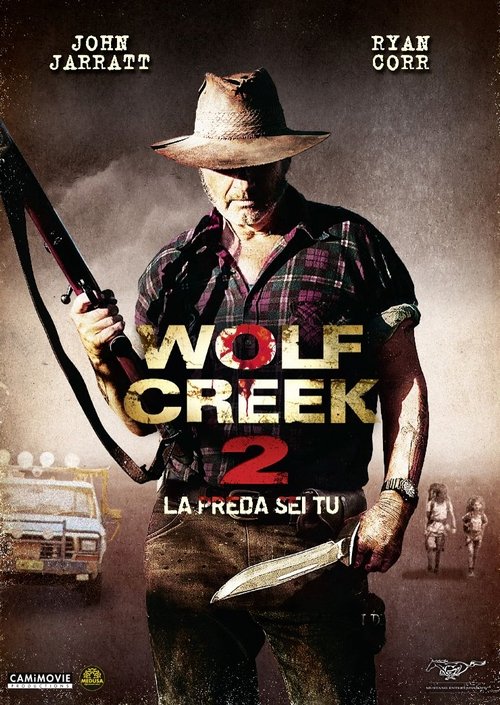
Trois jeunes touristes, deux filles et un garçon, louent une voiture et partent pour un voyage on the road à travers les déserts d'Australie. Lorsqu'ils arrivent dans le cratère météorique de Wolf Creek, ils campent pour passer la nuit là-bas, mais une averse les pousse à avancer leur départ. À leur grande surprise, ils constatent que tous les instruments mécaniques sont hors service et que la voiture ne donne plus aucun signe de vie. Après quelques heures, un chasseur arrive sur les lieux dans un 4x4 et leur propose de les aider en leur offrant de passer la nuit chez lui et en essayant de réparer la voiture. Mais en réalité, l'homme est un assassin féroce qui enlève les trois jeunes pour les torturer.
Présenté hors compétition lors du dernier festival de Cannes à la Quinzaine des réalisateurs, "Wolf Creek" a réussi à impressionner certains spectateurs du festival, qui se sont levés et sont partis en courant de la salle, dégoûtés par la violence excessive. C'est ce que nous rapportent les chroniques de Cannes, sûrement exagérées, mais capables de bien situer le film en question. Ce n'est pas seulement la violence explicite qui fait la force de "Wolf Creek", bien qu'il représente le goût renouvelé des cinéastes et des spectateurs pour des histoires chargées de sadisme physique et psychologique.
Mais au-delà des moments féroces qui débouchent sur du gore plus repoussant, "Wolf Creek" se présente comme un survival horror fascinant et anormal, rythmé par deux parties bien distinctes : un premier temps de préparation, accompagné d'une Australie de carte postale jamais vue dans un film d'horreur, une sorte de paradis terrestre splendidement photographié et capable de donner au spectateur un sentiment de paix et de tranquillité ; un masque qui cache en réalité l'horreur et la cruauté qui arriveront dans la deuxième partie. Toute cette paix se révèlera en réalité être une désolation : en ce lieu, personne ne peut venir à votre aide, personne ne peut vous retrouver (en parodiant le célèbre slogan d'"Alien" on pourrait affirmer "En Australie, personne ne peut vous entendre crier !"). En effet, dès les intertitres du générique de début, on nous informe que le film est basé sur des faits réellement survenus et un avertissement indique "30 000 personnes disparaissent chaque année en Australie. 90 % sont retrouvées dans un mois. Certaines ne le sont plus."
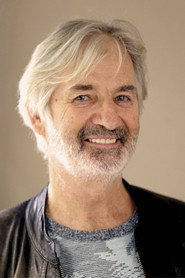
C'est en s'appuyant sur les potentialités du lieu et en s'inspirant de faits divers que l'on met en scène un spectacle de Grand Guignol dont le protagoniste des actes de folie est un John Jarrat en version Mr. Crocodile Dundee (dans un échange de répliques amusant, les personnages citeront la comédie avec Paul Hogan avec la phrase "... et tu appelles ça un couteau ? Ça, c'est un couteau !"), un méchant au humour macabre qui restera sûrement gravé dans la mémoire du spectateur.
Les interprètes sont tous parfaitement dans leur rôle et ne construisent pas leurs personnages sur les stéréotypes classiques de ce genre de film : le beau garçon sûr de lui se révélera timide et maladroit ; la fille silencieuse et secrètement amoureuse apparaîtra comme la plus combative du groupe, contrairement à son amie plus émancipée. Merci aussi au scénario de Greg McLean, qui, outre le fait de diriger le film de manière convaincante (il est débutant), réalise un script riche en rebondissements.
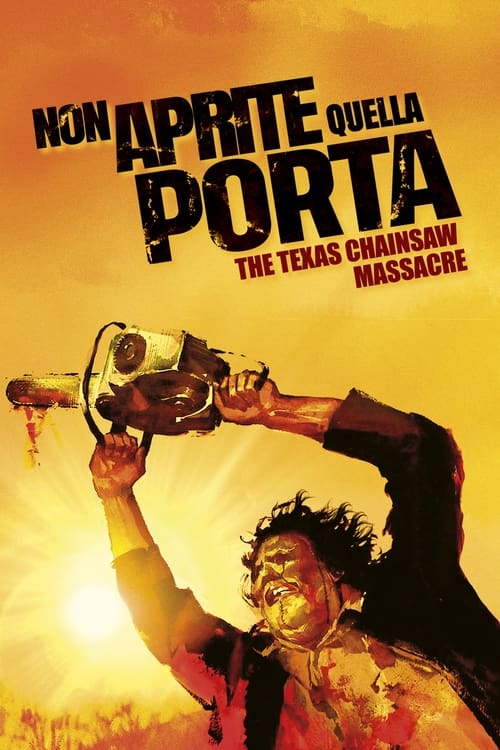
En conclusion, "Wolf Creek", bien qu'il s'inscrive dans la tradition du survival horror dont "Massacre à la tronçonneuse" et "Les Griffes de la nuit" sont les pionniers, parvient à se présenter comme un film compact et féroce, capable par moments de surprendre. Preuve qu'on ne sait pas seulement faire de bons films à Hollywood.
Vivement conseillé.
Commentaires
Commentaires (0)











Commentaires