










Le Verdict
Michael, depuis qu'il a perdu sa mère dans un accident de voiture, s'est renfermé sur lui-même et passe ses journées à la maison à regarder des films d'horreur, jouer à des jeux vidéo ou espionner la fille qui habite dans la maison d'en face, dont il est amoureux.
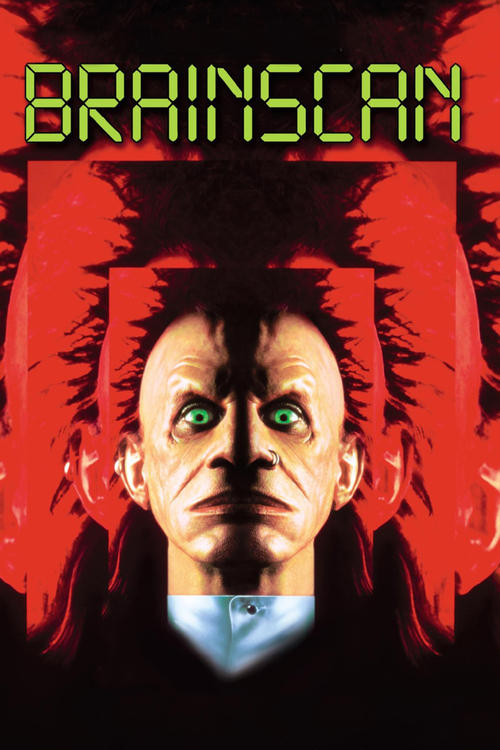
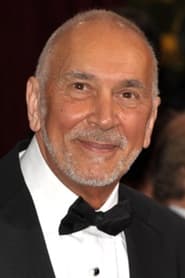
Michael, depuis qu'il a perdu sa mère dans un accident de voiture, s'est renfermé sur lui-même et passe ses journées à la maison à regarder des films d'horreur, jouer à des jeux vidéo ou espionner la fille qui habite dans la maison d'en face, dont il est amoureux. Un jour, il reçoit par la poste un nouveau jeu vidéo d'horreur, "Brainscan", une expérience interactive qui lui permettra de se mettre dans la peau d'un tueur en série. Mais le jeu ne lui permet plus de distinguer la réalité de la fiction et quand il se rendra compte que les personnes qu'il tue dans le jeu vidéo meurent aussi dans la dimension réelle, il tentera de détruire le CD. "Brainscan" est un teen-movie anormalement original, qui parvient à créer un mélange réussi d'horreur et de fantasy. Son point fort est sans aucun doute l'histoire de base captivante, mais il est également remarquable de trouver dans un produit de ce genre une certaine attention portée à la psychologie des personnages et au développement de l'intrigue. Le personnage de Michael, interprété par Edward Furlong (le John Connor de "Terminator 2"), est un garçon tourmenté par le souvenir de sa mère morte, qui passe ses journées dans sa chambre hypertechnologique, seul, puisque son père est constamment en voyage d'affaires. Les personnages secondaires vont de l'unique ami de Michael, Kyle (interprété par James Marsh, vu par la suite aussi dans "Desert Vampires"), un garçon qui partage les mêmes passions que le protagoniste ; à Kimberly (Amy Hargreaves), la fille "bien sous tous rapports" qui habite dans la maison d'en face ; au policier interprété par le vétéran Frank Langella (à retenir dans "Dracula" de John Badham en 1979) qui traque le mystérieux tueur. La foule des co-protagonistes comprend également un étrange démon cybernétique, Trickster, interprété par un méconnaissable T.Ryder Smith (vu récemment dans "Birth – je suis Sean"), une sorte de diable tentateur qui pousse Michael à jouer au jeu de la mort, mais qui, peut-être, dans les intentions des producteurs, aurait dû devenir un nouveau Freddy Krueger. La réalisation de Flynn (qui s'était déjà fait connaître en dirigeant Sylvester Stallone dans "Sorvegliato speciale") est peut-être trop télévisuelle mais fonctionnelle à l'histoire ; le scénario de Brian Owens, comme déjà mentionné, ne présente pas de défauts et réserve plus d'une surprise ; soignée aussi l'utilisation des effets spéciaux, bien qu'il n'y ait pas de scènes truculentes dans le film, tandis qu'une mention particulière va aux musiques suggestives de George S. Clinton. "Brainscan" porte également un message moraliste ambigu dans lequel les jeux vidéo et les produits de l'imaginaire horrifique sont presque condamnés parce qu'ils incitent à la violence, mais tout cela est clairement démenti par la figure du directeur bigot (littéralement moqué par le scénario du film) et par une fin capable de renverser la situation, profitant certainement à la crédibilité narrative de l'ensemble du film. En conclusion, "Brainscan" est un film original et bien réalisé, différent du reste des horreurs pour ados présents sur le marché. Peut-être n'est-ce pas une œuvre particulièrement mémorable, mais il se distingue de la masse des produits horreurs médiocres sortis au milieu des années 90. Il mérite au moins une vision.
Commentaires
Commentaires (0)





Commentaires