







Il Verdetto
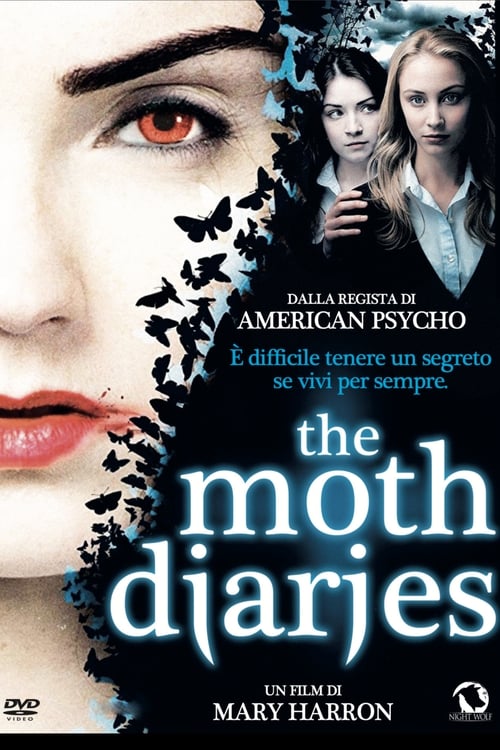
In seguito al suicidio di suo padre, Rebecca non è più la stessa, ma la volontà di andare avanti la porta ad iscriversi a una prestigiosa scuola. Qui la ragazza trova la complicità della cara amica e coetanea Lucy, finchè arriva una nuova e misteriosa studentessa, Ernessa, che cattura completamente l’attenzione di Lucy.
In seguito al suicidio di suo padre, Rebecca non è più la stessa, ma la volontà di andare avanti la porta ad iscriversi a una prestigiosa scuola. Qui la ragazza trova la complicità della cara amica e coetanea Lucy, finchè arriva una nuova e misteriosa studentessa, Ernessa, che cattura completamente l’attenzione di Lucy. Preoccupata per la sua migliore amica, che di giorno in giorno appare sempre più insensibile ed emaciata, Rebecca comincia a convincersi che Ernessa sia in realtà un vampiro e gli strani fatti di sangue che si consumano all’interno della scuola sembrano confermarlo.
Lo spettatore di film horror più navigato sa quanto sia stato importante il romanzo “Carmilla” di Sheridan Le Fanu, antesignano del moderno racconto di vampiri e ispiratore di una moltitudine di film, soprattutto nei gloriosi anni ’70, quando il connubio tra orrore ed erotismo allora in voga dava modo ai registi di sbizzarrirsi con le suggestioni lesbo-sexy suggerite nel romanzo. Con “The Moth Diaries”,
trasposizione cinematografica dell’omonimo romanzo di Rachel Klein, “Carmilla” viene citata esplicitamente come testo scolastico studiato durante il corso di letteratura ed è proprio l’opera di Le Fanu a fornire l’innesco della vicenda orrorosa, mettendo la pulce all’orecchio della protagonista sulla possibile natura vampiresca di Ernessa. Ovviamente con “The Moth Diaries” non siamo nei territori di “Vampyros Lesbos” o “Vampiri Amanti” e l’intera vicenda assume i toni di un teen drama che gioca con il vampirismo sul doppio filo della realtà/suggestione. Ed è proprio questa la particolarità di una storia che altrimenti avrebbe davvero poco o nulla di originale, portando in scena i soliti cliché sull’adolescenza problematica e sui vampiri fascinosi e magnetici.
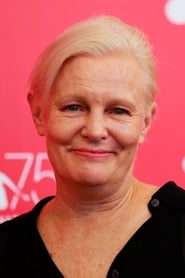
Snocciolando con un certo trasporto femminile un romanzo che probabilmente non si farà mai ricordare per particolari meriti neanche all’interno del filone young adult, la regista Mary Harron va giustamente ad approfondire l’aspetto psicologico della vicenda,
giocando sulla fragile condizione psichica della protagonista, recentemente rimasta orfana e dunque incline a una forma di depressione post-traumatica che potrebbe giocare brutti scherzi sulla sua percezione della realtà. Ernessa è dunque un vampiro o no? L’interrogativo gravita attorno alla vicenda per tutta la durata del film. Noi, che vediamo tutto attraverso lo sguardo (forse) distorto di Rebecca, ovviamente sospettiamo che l’algida matricola sia una succhiasangue e ciò che accade nella scuola, con decessi e sparizioni, ci conduce proprio in questa direzione.
Mary Harron, che in passato ha tentato di tradurre in immagini “American Psycho” di Bret Easton Ellis, ha un tocco elegante e una particolare attenzione per la psiche contorta delle sue protagoniste, ma il film non convince più di tanto proprio per la debolezza narrativa che sta a monte. Va bene il calcare il pedale sull’incertezza della plausibilità della vicenda, ma la storia rimane comunque un gigantesco déjà-vu e le suggestione erotiche e orrorifiche che il materiale avrebbe potuto offrire rimangono del
tutto all’ombra. Di sangue ne scorre pochissimo e la palese complicità sessuale che si instaura tra Lucy ed Ernessa, nonché la fascinazione che quest’ultima ha anche su Rebecca, rimangono sullo sfondo, senza mai esplicare la tensione erotica omossessuale che si legge chiaramente tra le righe.
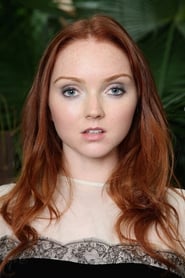
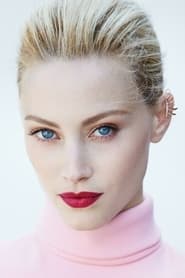
Brava e convincente Sarah Bolger nel ruolo della protagonista, meno adatta la modella Lily Cole (“Parnassus”, “Biancaneve e il cacciatore”) nel ruolo di Ernessa, a cui manca il fascino e la sensualità che il personaggio avrebbe richiesto.
“The Moth Diaries” si lascia guardare e non annoia perché è stato dato alla vicenda un taglio vagamente interessante che pone dubbi sulla veridicità di ciò che si sta guardando. Ma allo stesso tempo è un film che fatica a farsi ricordare, che non cattura come avrebbe dovuto/potuto, che somiglia a troppe altre cose. Insomma, un mezzo buco nell’acqua.
Commenti
Commenti (0)




Commenti