












The Verdict
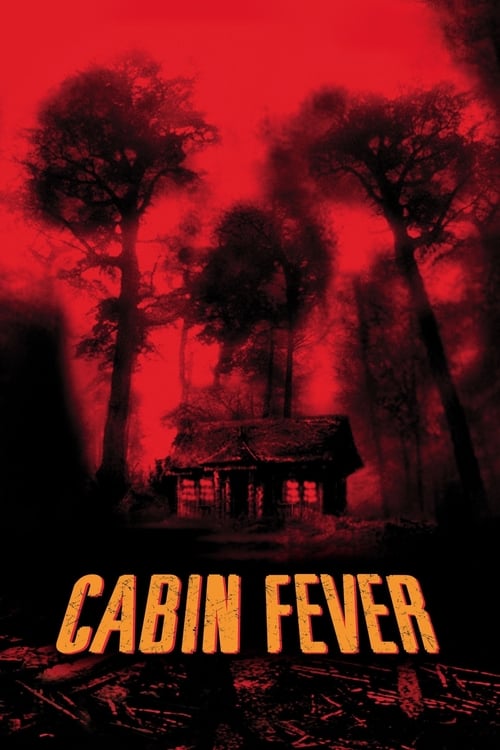
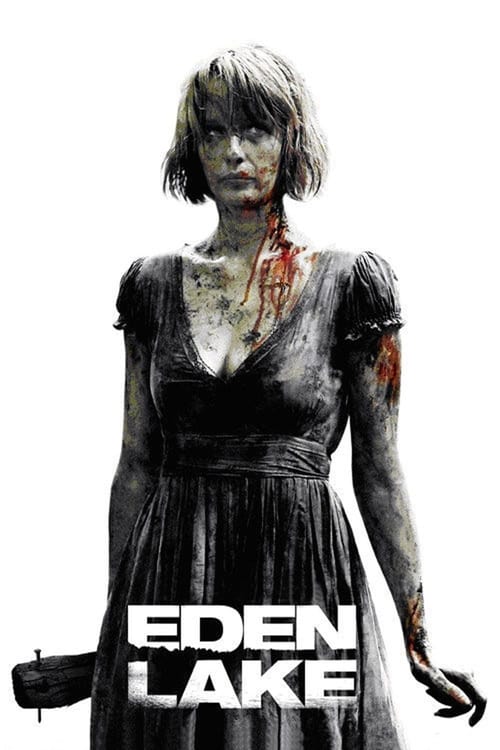
Five young people go to a mountain cabin to spend the weekend between alcohol, sex, and drugs, but their stay is disrupted by the sudden visit of a wounded and infected vagabond with a poorly specified virus contracted from a dead animal.
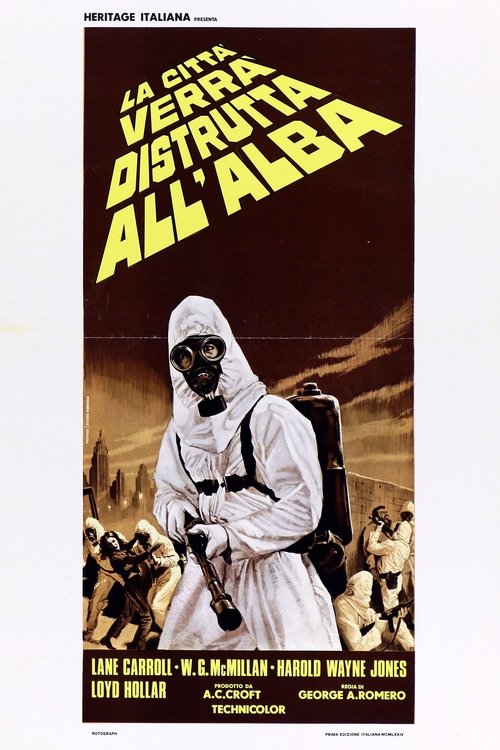
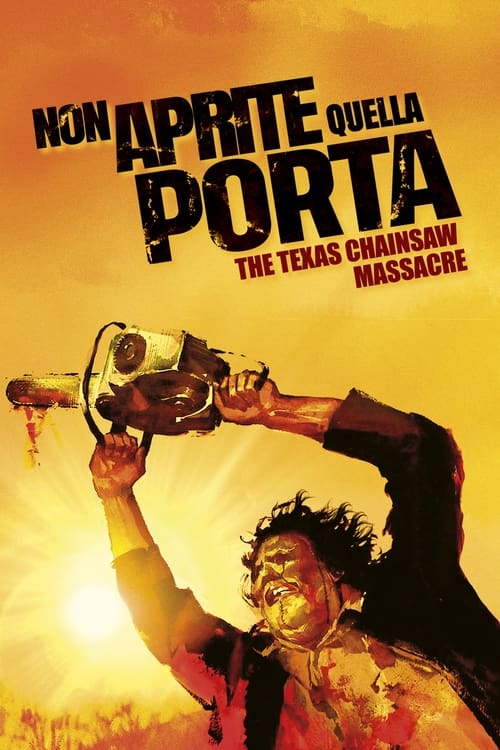
Five young people go to a mountain cabin to spend the weekend between alcohol, sex, and drugs, but their stay is disrupted by the sudden visit of a wounded and infected vagabond with a poorly specified virus contracted from a dead animal. The young people, feeling threatened by the vagabond and frightened by his health condition, eliminate him, but his corpse accidentally ends up in the watercourse that supplies the cabin. A girl becomes contaminated and is immediately isolated by her friends for fear of being contaminated in turn by the virus: the situation will degenerate into a whirlwind of paranoia and violence... Eli Roth, a student of the visionary and multi-celebrated David Lynch, crafts a fun product under the sign of the most explicit citationism, which has the sole purpose of accompanying the viewer for an hour and a half in a sort of fun house at the amusement park, between splatter effects, jumps in the seat, and grotesque situations bordering on parody. From the very beginning, the horror veteran finds himself immersed in typical situations of the great scare cinema of the '70s and '80s: there are five young people who fully embody the stereotypes of the genre (the couple who only think about having sex, the shy boy who tries his luck with the blonde, the fool perpetually high) and that the viewer already knows will meet a bad end soon; there is the forest and the cabin that Raimi has taught us to fear; the group of mountain villagers ready to make the outsiders have "A Quiet Weekend of Fear", and there is the virus that devours the flesh, the fear of contagion and of those who are already infected, as if dealing with Romero's living dead (and not by chance in the end there will be a clear reference to "Night of the Living Dead"). Very generous is the splatter rate of the film, although it is a very ironic splatter, closer to Peter Jackson than to George Romero, but suitable for the context in which it has been inserted: it ranges from exploding heads, torn bodies, screwdrivers in the ears (someone screamed "Zombi"?), up to the macabre sequence in which a contaminated girl is shaving her legs with a blade and the skin devoured by the virus comes off revealing obscene wounds. Irony, as already mentioned, is omnipresent and appreciated, although on a couple of occasions it ends up becoming excessively grotesque and negatively influencing the context (one example above all: the retarded boy who performs a useless martial arts skit). From a technical/artistic point of view, one can notice a diligent work by all: little-known actors with decent acting abilities, good special effects, photography, and editing that remain rather anonymous, beautiful music (one can even identify a tribute to "The Last House on the Left" with the use of the main theme of Craven's film, "wait for the rain", as background during an initial sequence of the film), fresh and original direction not devoid of interesting visual choices. In short, we are facing a film surely aimed at those who have extensively enjoyed horror and who appreciate a carefree and not serious reading of this cinema during its heyday, but it can also be appreciated by those who simply want to spend ninety minutes between laughter and horror.
Comments
Comments (0)










Comments