







Le Verdict
1975, Nebraska. Burt et sa femme Vicky sont en voiture et au milieu d'une vive discussion entre eux, un enfant surgit soudain d'un champ de maïs turc qui borde la route, avec la conséquence inévitable d'être renversé par la voiture.
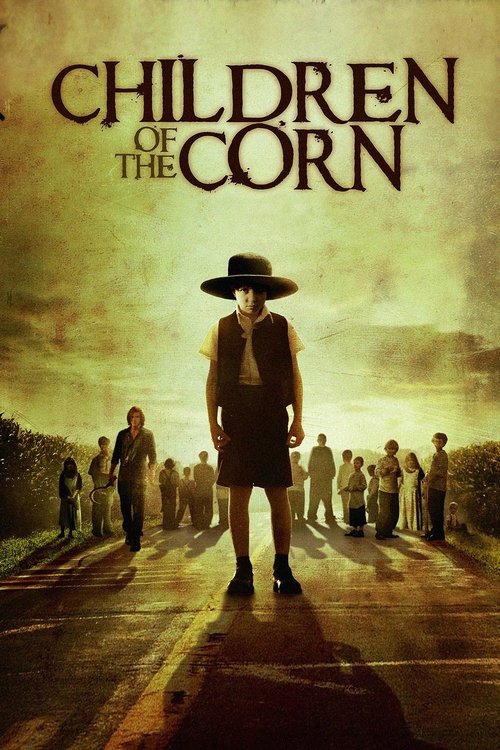
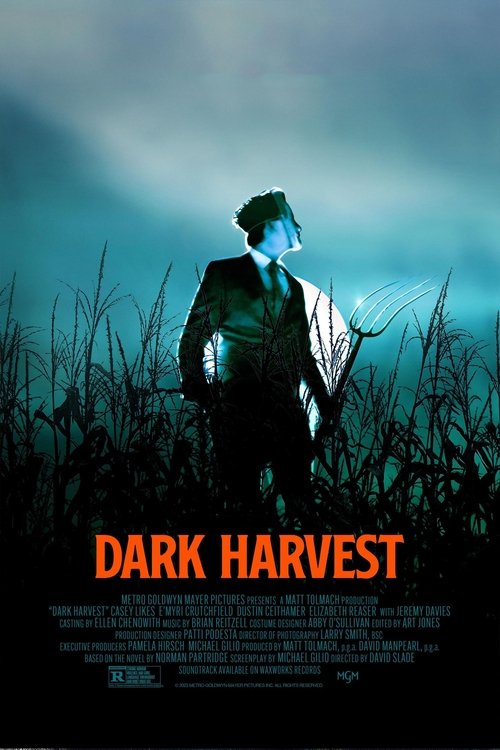
1975, Nebraska. Burt et sa femme Vicky sont en voiture et au milieu d'une vive discussion entre eux, un enfant surgit soudain d'un champ de maïs turc qui borde la route, avec la conséquence inévitable d'être renversé par la voiture. Les époux sont en panique car ils pensent avoir tué l'enfant, mais en regardant de plus près, Burt se rend compte que l'enfant a la gorge tranchée et donc que ce n'est pas l'impact avec sa voiture qui a causé la mort. L'homme remarque également qu'il est observé par quelqu'un qui se cache dans le maïs turc, charge le cadavre dans la voiture et se dirige vers le village le plus proche pour dénoncer l'incident. Ils arrivent ainsi à Gatlin, qui, à première vue, semble une ville fantôme, mais qui est en réalité habitée par une communauté d'enfants dédiés au culte de "Celui qui marche entre les rangs", une divinité païenne liée au maïs turc qui exige des adultes en sacrifice pour rendre la récolte prospère.
L'histoire de "Children of the Corn" a été assez particulière. Une nouvelle de Stephen King publiée dans la collection "Parfois, ils reviennent" intitulée "Children of the Corn" ("Les enfants du maïs" en Italie) a été adaptée pour le grand écran en 1984 par Fritz Kiersh et est devenue, pour le marché italien, "Grano rosso sangue". Depuis ce moment, une opération cinématographique absurde a été lancée : quelques pages écrites par King sont devenues le point de départ d'une série de films qui comptent aujourd'hui 8 titres, y compris un remake, "Campi insanguinati", produit directement pour la télévision par câble américaine.
Le matériel narratif de départ est très bon et cela est dû à King et à la savante réélaboration du fanatisme religieux appliqué de manière insolite à la dimension infantile, comme pour créer une variante du fondamental "Mais comment peut-on tuer un enfant?" de Serrador en clé religieuse. Pourtant, il suffisait d'un film pour dire tout (et plutôt bien, d'ailleurs) ce que King avait évoqué dans sa nouvelle et créer une saga infinie semble une opération discutable et hautement superflue. Le résultat est que chaque film se limite à répéter l'histoire du prototype avec de petites variations de chapitre en chapitre, avec l'impression que chaque film est une sorte de remake du chef de file de 1984. Dans un tel contexte arrive le vrai remake qui, d'une part, peut être considéré comme plus honnête dans l'explicitation de son intention dès le titre, mais d'autre part, n'est que le film inutile supplémentaire d'une saga élimée et conceptuellement éteinte il y a presque 30 ans.
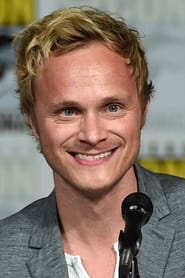
L'ambiance temporelle est celle "correcte", c'est-à-dire la période pendant laquelle la nouvelle a été écrite et l'histoire reprend de manière initialement fidèle celle racontée dans le film de Kiersh pour s'en éloigner considérablement dans la seconde partie. Ce qui frappe, c'est le changement drastique dans l'écriture des deux personnages principaux, non plus un couple classique qui trouve dans leur amour la force de combattre la secte et le démon pour lequel ils prêchent, mais un couple au bord du divorce qui nous est présenté au milieu d'une vive dispute. Lui est un vétéran du Vietnam, interprété par David Anders ("The Vampire Diaries"; "Heroes"), fort et préparé à toute éventualité, mais aussi tourmenté par les démons de la guerre, elle est une belle et agressive femme de couleur (interprétée par Kandyse McClure de "Battlestar Galactica") qui semble avoir le contrôle réel sur le déroulement du couple. Cette prise de position dans le bouleversement du script original rend hommage au scénariste et réalisateur Donald P. Borchers, mais en représente également sa limite primaire. En révélant dès le début la préparation militaire de Burt, nous pouvons imaginer comment il réagira à la présence des enfants assassins, annulant dès le départ le pathos envers le sort des protagonistes. Ces derniers, de plus, ont été trop chargés de traits négatifs, résultant pour la plupart odieux, avec la contribution consécutive à l'annulation de la participation émotionnelle du spectateur. Le problème est qu'il n'y a même pas parmi les rangs des enfants un personnage fort qui puisse capturer l'attention et surtout, l'élément "bon" qui, dans le film de Kiersh, était représenté par deux enfants qui aidaient le couple à se frayer un chemin parmi les mille dangers de Gatlin. Ici, chaque enfant est perfide et répréhensible et aucun ne se distingue de l'autre, à commencer par le leader anonyme Isaac (Preston Bailey) et le peu incisif Malachia (Daniel Newman), son bras droit.
À Borchers, réalisateur de ce film, semble plus intéresser que des protagonistes positifs et des personnages en général, de décrire avec un acuité presque anthropologique le mode de vie des enfants dédiés au dieu du maïs, avec autant d'approfondissement sur leur ordre de succession et rituels d'accouplement et de mort.
Certaines choix narratifs inhabituels frappent ici et là, capables même de surprendre le spectateur, il ne manque pas la concession aux détails les plus sanglants mais dans l'ensemble, on a la sensation d'avoir assisté à une opération inutile et absolument non justifiable visant à exploiter une franchise décidément usée.
Commentaires
Commentaires (0)


Commentaires