













Il Verdetto
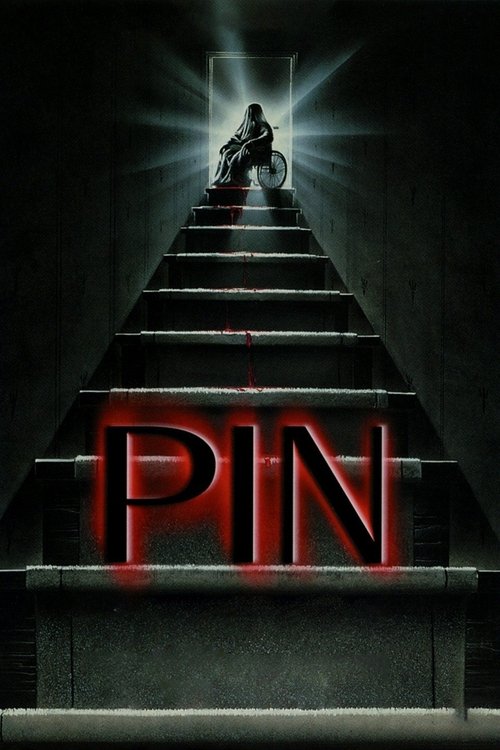
Due fratelli, Leon e Ursula, cresciuti in una famiglia benestante, sono abituati dal padre medico a ricevere consigli di vita da Pin, un manichino utilizzato dal loro stesso padre nell’ambulatorio. Ursula comincia presto a capire che Pin è un semplice manichino ed è suo padre a dargli la voce, ma Leon è fermamente convinto che il pupazzo sia vivo e lo considera il suo unico vero amico.
Due fratelli, Leon e Ursula, cresciuti in una famiglia benestante, sono abituati dal padre medico a ricevere consigli di vita da Pin, un manichino utilizzato dal loro stesso padre nell’ambulatorio. Ursula comincia presto a capire che Pin è un semplice manichino ed è suo padre a dargli la voce, ma Leon è fermamente convinto che il pupazzo sia vivo e lo considera il suo unico vero amico. Una notte il padre dei due ragazzi sorprende Leon a conversare con Pin e decide così di sbarazzarsi del manichino, ma un tragico incidente d’auto porterà alla morte, quella stessa notte, i genitori di Leon e Ursula. Passano gli anni, Ursula cresce normalmente, ma Leon manifesta, sempre in modo più marcato, un attaccamento ossessivo a Pin, che ha conservato in soffitta e con cui dialoga abitualmente. Ma la situazione degenera nel momento in cui Ursula comincia ad uscire con un ragazzo, ritenuto da Leon e Pin, la possibile causa di disgregazione del loro piccolo e felice nucleo familiare.
“Chi c’è in fondo a quella scala…” è un piccolo ma gradevole thriller confezionato sul finire degli anni ’80, un prodotto anomalo per quegli anni, in cui il mercato del brivido in celluloide si affidava spesso e volentieri ad effettacci e ad abbondanti dosi di gore. Invece “Pin” (questo il titolo originale e sicuramente meno ad effetto in confronto a quello accattivante, ma fuorviante, imposto dalla distribuzione italiana) ha una struttura da thriller molto classica ed intimistica, giocata sulle attese, sull’atmosfera e sull’ambiguità psichica del protagonista, che si scopre subito minato da vistose turbe mentali e da un morboso attaccamento alla sorella (che mai scade nel banale).
La pazzia del protagonista (un inquietante David Hewlett, straniato e straniante con un aspetto innocuo da bravo ragazzo) non scaturisce da nessun trauma infantile (anche se assiste ad un rapporto sessuale tra la madre e il pupazzo Pin), ma da un processo interiore innescato da un’educazione sbagliata, dannosa, affidata al rapporto freddissimo con un istruttore fuori dal comune (Pin) e ad una mancanza di comunicazione con i genitori, visti come figure severe ed inarrivabili, sicuramente repressivi; loro si rendono conto troppo tardi dei danni che avevano inferto sul loro figlio e delle possibili ripercussioni che si sarebbero manifestate nella percezione del reale del bambino che, da lì a poco, avrebbe dimostrato una totale identificazione con il suo educatore.
Dunque non siamo di fronte ad un vero horror ma ad un thriller a sfondo psicologico che strizza l’occhio a Hitchcock e a Polanski (ma c’è anche qualche cosa di “Inseparabili” di Cronenberg). Ben diretto e ben interpretato, sicuramente da vedere.
Commenti
Commenti (0)



Commenti