

















El Veredicto
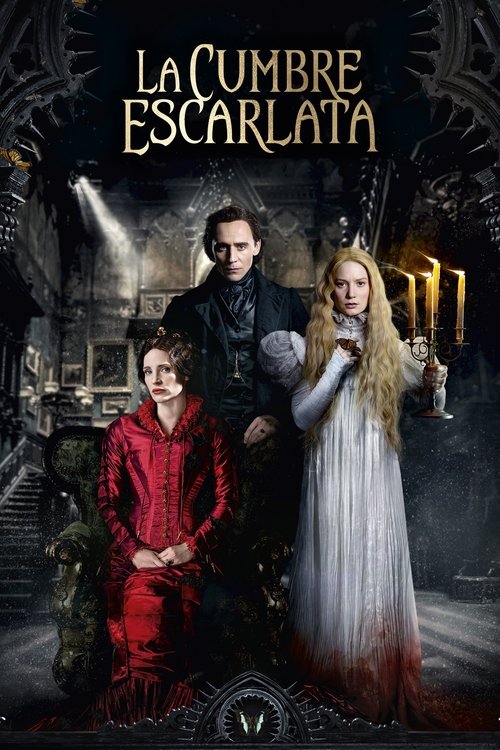
"Cuidado con Crimson Peak", pocas palabras, una advertencia inexplicable llegada de un lugar oscuro son el instante que cambió para siempre la vida de Edith Cushing. Si no el significado fue el mensajero que moldeó su carácter: el fantasma esquelético de su madre, acudido en su ayuda en tierna edad, dejándola con una inconveniente pasión, para la época, por las historias de fantasmas.
"Cuidado con Crimson Peak", pocas palabras, una advertencia inexplicable llegada de un lugar oscuro son el instante que cambió para siempre la vida de Edith Cushing. Si no el significado fue el mensajero que moldeó su carácter: el fantasma esquelético de su madre, acudido en su ayuda en tierna edad, dejándola con una inconveniente pasión, para la época, por las historias de fantasmas. Estamos a finales de siglo, en una Boston que se asoma al amanecer del siglo XX, donde Edith, hija de un magnate de la construcción, intenta sin éxito emprender la carrera de escritora, hasta que de Inglaterra llegan Sir Thomas Sharpe y su hermana Lucille. Atraída por el frágil encanto de él, Edith abandona las atenciones de su amigo Alan McMichael, y a pesar de sus convicciones sobre los aristócratas, cede a los encantos del arruinado Sir Thomas. Un sentimiento del que saltará la chispa para una secuencia de desastrosos y violentos eventos que la llevarán a Inglaterra a Allerdale Hall, la mansión de él, en la cima de un promontorio repleto de arcilla roja suave en la que la casa lentamente se hunde.
Hoy vivimos bajo los innumerables carteles producidos por Blumhouse a un ritmo increíble, una época en la que todo lo que cruje, sangra y grita se considera genéricamente terror. Olvídense de las sutilezas, tantas, si no más, que las escalas de gris de otro género maltratado – especialmente en Italia – la ciencia ficción, pero quienes las han mantenido siempre con cuidado y han decidido vivir junto a ellas sin ninguna duda es el director mexicano Guillermo Del Toro. Un regreso a las salas de cine y a su género madre después del gigantesco blockbuster "Pacific Rim", Del Toro reabraza las historias de fantasmas para sumergirse cuanto más pueda en la tradición angloamericana, inspirándose con avidez en las páginas de Emily y Charlotte Brontë, en las inquietudes de Joseph Le Fanu, en los espectros de Montague Rhodes James y en el húmedo pasado de Nueva Inglaterra de Edgar Allan Poe y Howard Phillips Lovecraft. Crimson Peak es una película más que cualquier otra de su carrera para hacer su agosto de los mejores autores del perturbante en circulación. Atentos sin embargo a no caer en error, el Pico Cremisi de Del Toro no escupe hacia afuera a los ancestros de referencia en forma de cita explícita. Así como Quentin Tarantino siempre lo ha hecho, el director de Guadalajara juega con sus pasiones rechazándolas solo en forma de imágenes. Así reconocemos "La caída de la casa Usher" en la decadente, solitaria y gélida Allerdale Hall, en las innumerables paredes y muros arruinados por la tierra viva (una referencia a la obra de Lovecraft) observamos las espectrales noches pasadas en Wuthering Heights ("Cumbres borrascosas"). Las citas explícitas son otras, el llamamiento al celeberrimo químico del siglo XVIII Henry Cavendish, a Mary Shelley, el ídolo de Guillermo Del Toro y de su protagonista Edith Cushing y aquí, como es bien claro, llegamos finalmente a lo que es cine. Porque del Séptimo Arte Crimson Peak es un verdadero joya, bruto en la fase americana, liso y brillante al aterrizaje en Inglaterra.
El cine de referencia pertenece a los años sesenta, a las producciones de Mario Bava en particular, pero más que nada nos encontramos en el territorio de Terence Fisher, la estrella directiva de la Hammer Films Production, de quien uno de los mayores protagonistas históricos no fue otro que el actor Peter Cushing.
El homenaje (porque en total la obra de Del Toro co-escrita por Matthew Robbins se trata de un puro y simple homenaje sin pretensiones de innovar nada, al contrario) retoma los escenarios articulados de los diversos Drácula y La máscara de Frankenstein y el uso fuerte del color, un rasgo distintivo que ayudó a la Hammer a mantenerse en vida (y resucitar) durante décadas enteras. Crimson Peak es color a partir del título, se apropia del blanco y el negro y añade el rojo para un regreso a las teorías del uso del color de Vladimir Propp, estudioso de los cuentos de hadas (uno en particular, de Charles Perrault, vendrá a la mente de muchos durante la visión), ayudando al espectador a comprender la trama a través de sus propios ojos y las inmutables sensaciones que estos transportan con gran rapidez. Hablamos de una obra maestra visual y muchos de los elogios van a Thomas E. Sanders, el escenógrafo loco hasta el punto de complacer las manías perfeccionistas de Del Toro, constructor de los hermosos ambientes de Boston y de la decadente Allerdale Hall, pero de una película de la que también hay que discutir el aspecto narrativo.
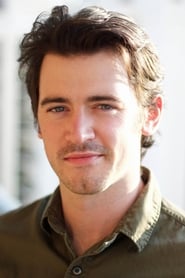
No esperen originalidad, la trama tiene muchos elementos ampliamente predecibles, pero como buen amante de Alfred Hitchcock, Del Toro nos empuja a preguntarnos cómo reaccionarán los personajes y aquí llegamos a las fantásticas interpretaciones de los tres protagonistas: Mia Wasikowska cruza cuerpo y espíritu de su Edith, tan buena solo en Stoker la habíamos visto; Tom Hiddleston une el encanto británico a la fragilidad de una casta tan antigua como ensangrentada; Jessica Chastain es una verdadera fuerza de la naturaleza, afilada en los rasgos y los gestos, un cuchillo afilado de mango duro contra el que nos enfrentamos a cada paso. Charlie Hunnam, en un papel secundario, el Dr. Alan, no decepciona, ni logra ponerse a la altura de sus gigantescos colegas.
Comentarios
Comentarios (0)









Comentarios