











El Veredicto
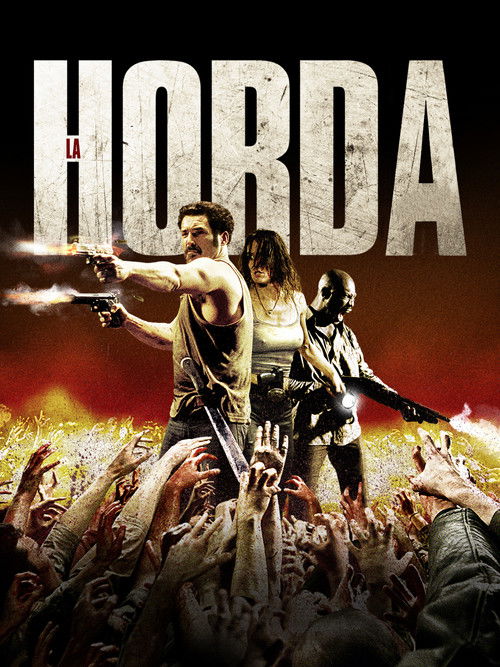
Tras el descubrimiento del cadáver de un policía, sus colegas deciden hacerse justicia e irrumpen, cubiertos con un pasamontañas y armados hasta los dientes, en un edificio situado en los suburbios parisinos. La redada sale mal y el grupo de policías es inmediatamente hecho prisionero por la banda de Marco D.
Tras el descubrimiento del cadáver de un policía, sus colegas deciden hacerse justicia e irrumpen, cubiertos con un pasamontañas y armados hasta los dientes, en un edificio situado en los suburbios parisinos. La redada sale mal y el grupo de policías es inmediatamente hecho prisionero por la banda de Marco D. Mientras tanto, París parece estar bajo ataque: humo y llamas se elevan en el horizonte y, inexplicablemente, los muertos comienzan a volver a la vida. Ahora, los policías vengadores y los delincuentes están obligados a unirse contra una amenaza común que llega del más allá.
Hace algún tiempo, hablando de "Survival of the Dead" de Romero, elogiaba su originalidad mientras criticaba la marea de clones que, año tras año, surgen de sus tumbas imitando los subtítulos políticos del Maestro y añadiendo "of the Dead" al final del título. Bueno, ha llegado el momento de hacer la excepción inevitable al axioma entonces postulado y el impulso viene de Francia con "The Horde". La película de zombis del dúo de debutantes Yannick Dahan y Benjamin Rocher es la antítesis de la originalidad, nos presenta una situación ya vista en otros lugares (tiene mucho del malo "City of the Dead", pero también se percibe nuestro "Demonios" y el ibérico "Rec") y personajes bastante estandarizados, la acción prevalece sobre el suspense y bla, bla, bla, es un entretenimiento sin complicaciones, como se suele decir. Pero entonces, ¿por qué "The Horde" es una película absolutamente imprescindible?
"The Horde" es la autenticidad del horror en el cine, es el entretenimiento, la implicación emocional, es el espectáculo puro para los amantes del splatter y la ultraviolencia de cómic. "The Horde" te atrapa desde la primera escena y no te suelta hasta que aparecen los créditos finales.
Aunque la originalidad no sea el punto fuerte de la película de Dahan y Rocher, como se mencionó anteriormente, tampoco hay intentos reales de plagio, citas, homenajes: "The Horde" va por su propio camino desde el principio y solo tarda unos minutos en llegar al grano. El enfoque inicial es cercano al polar francés de la escuela moderna, un policial, por lo tanto, que promete enfrentamientos y adrenalina hard boiled. La ubicación y el contexto situacional también recuerdan al nuevo cine francés, con los suburbios como morada del crimen, mucha degradación y la ley del más fuerte reinando. Después de unos pocos minutos, apenas el tiempo de presentarnos adecuadamente a todos los personajes, irrumpe lo inusual que esta vez tiene las formas de los muertos vivientes. Los queridos zombis enojados y cancerosos que parecen tan lejanos a la tradición cinematográfica francesa, excepto por algunas incursiones rollinianas a caballo entre los años 70 y 80. El paso repentino e inesperado del polar de acción al horror splatter se gestiona con mucha naturalidad, arrojando al espectador en medio de los eventos sin proporcionarle ninguna explicación: el punto de vista del espectador es el mismo que el de los personajes y lo que ocurre es un misterio, por cierto casi en tiempo real. Solo unos humos provenientes del horizonte parisino pueden hacernos suponer que el brote ha tomado pie en la capital, pero esta vez experimentos gubernamentales, maldiciones vudú, meteoritos y humos tóxicos son todo y nada en una situación que concentra el único interés en la supervivencia de un grupito de ideales opuestos destinados a la colaboración. Y todos nosotros sabemos lo difícil que es en una película de terror mantener el espíritu de equipo y colaborar, figurémonos luego si hay en juego dos facciones rivales como criminales y policías resentidos.
Los personajes en la escena por lo más siguen las reglas que el cine de género nos ha enseñado, por lo tanto no falta el bueno listo para sacrificarse por el bien del grupo y el bastardo que, acorralado, está listo para traicionar. Pero entre los lugares comunes también se alzan caracteres originales como el viejito loco armado de ametralladora, violador de zombis y listo para esnifar cocaína, o la policía masculina de comportamiento impredecible. Impredecible es, sin embargo, el adjetivo que bien se adapta al itinerario de los varios personajes, a veces indecifrables respecto a sus intenciones y en general difícilmente colocables en un ideal pronóstico sobre "quién se salvará".
"The Horde" está sembrado de escenas cultas: del ataque del primer zombi encapuchado al combate en la cocina, del intento de violación a la muerta viviente al largo intento de supervivencia en el techo del automóvil en el garaje, pasando prácticamente por cada escena que ve protagonista al viejo loco interpretado por Yves Pignot.
Destacar el nivel de violencia bruta - con tiroteos y combates cuerpo a cuerpo - particularmente alto y una abundante lluvia de hemoglobina que moja a los personajes desde el principio.
Con "The Horde" nos encontramos ante una película endiabladamente divertida, rica en ritmo y hallazgos de antología; título de obligada visión en una ideal top 5 de las mejores películas de zombis del nuevo milenio.
¡Viva Francia!
Comentarios
Comentarios (0)







Comentarios