


The Verdict
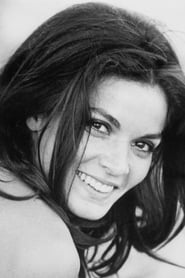
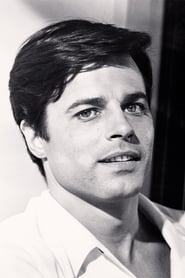
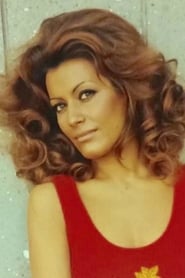
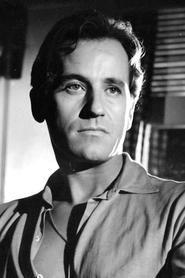
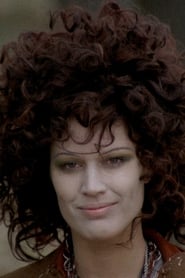
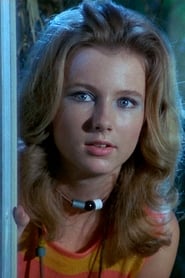
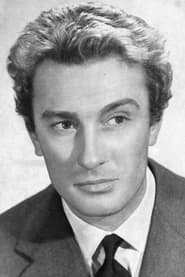
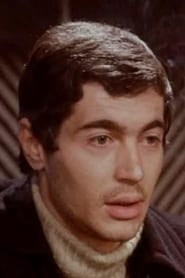
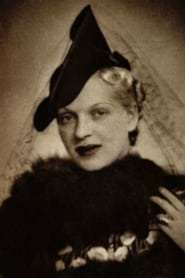
Carol Hammond (Florinda Bolkan) belongs to the wealthy London bourgeoisie, daughter of a successful lawyer with political ambitions (Leo Genn), lives with her husband Frank (Jean Sorel), a lawyer and partner of her father, and with her stepdaughter Joan (Edy Galleani).
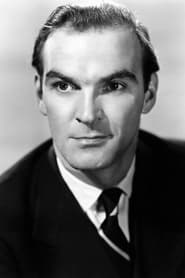
Carol Hammond (Florinda Bolkan) belongs to the wealthy London bourgeoisie, daughter of a successful lawyer with political ambitions (Leo Genn), lives with her husband Frank (Jean Sorel), a lawyer and partner of her father, and with her stepdaughter Joan (Edy Galleani). Carol is in therapy with a psychoanalyst (George Rigaud) because she is disturbed by recurring dreams in which she abandons herself to sapphic effusions with a neighbor, Julia Durer (Anita Strindberg), a dissolute woman who frequents dubious environments. In one of these dreams, Carol kills the neighbor and a couple of days later it is discovered that the woman is really dead. Next to her corpse, Carol's fur coat was found: then the investigations of Scotland Yard entrusted to Inspector Corvin (Stanley Baker) begin...
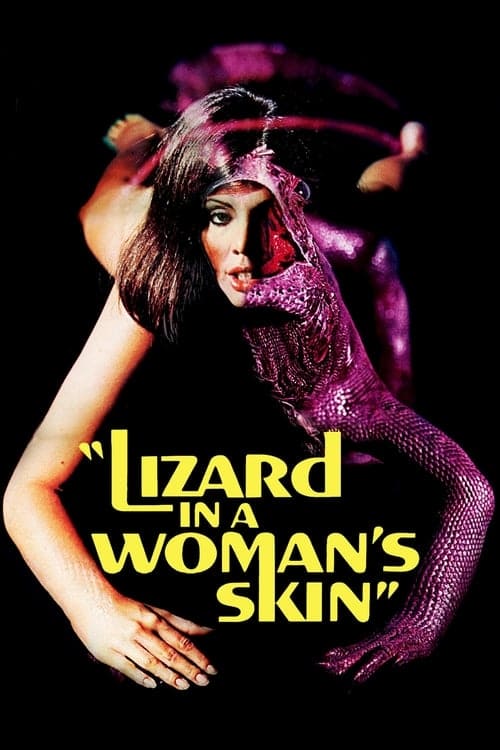
A standout work in Lucio Fulci's filmography, as well as one of the most successful examples of the Italian thriller. The title "zoological" could misleadingly suggest a connection with Dario Argento's early films, in reality "Una lucertola con la pelle di donna" maintains its undeniable originality and the contact with Argento's gialli is to be found almost exclusively in the title (obviously used to exploit the genre in vogue at the time). We are not, in fact, faced with the usual film with the overused maniac in a black raincoat, gloves, and hat, who kills indiscriminately due to some improbable trauma suffered in the past, but with Carol's inner journey, the film's protagonist, to the discovery of herself and her impulses. This discovery takes place in a particular era, the 1970s: the period of hippies and counterculture, sexual liberation, and psychotropic drugs. Carol would like to abandon the greyness of the well-meaning bourgeoisie to which she belongs (emblematic is the sequence of the boring and formal family dinner contrasted with the orgiastic party in the neighboring apartment), but due to her conventional upbringing, this "freedom" is seen through the distorting filters of "depravity", "vice", and "sin".
As in many of the author's films, the theme of sin is the main nucleus around which the entire story revolves. Fulci himself defined "Una lucertola con la pelle di donna" as a story in which a woman "kills her sins", and we will have to wait until the end of the film to discover whether the killing is real or only dreamed. The dream and its complex relationship with reality is another of the themes addressed: it is in dreams that the explanation of the facts lies, but it is also true that reality is elusive and that in the end it is not easy to understand what is real and what is a product of the imagination (and here another of Fulci's recurring themes emerges: doubt).
To unravel the tangle of relationships between the rational and the irrational, the explanations of Carol's psychoanalyst, who pathetically and presumptuously, will attempt on several occasions to explain the facts based on the rigid interpretive categories of his discipline, will serve little. These jabs against psychoanalysis are typical of Fulci's cinema, who in some interviews has even gone so far as to define the science founded by Freud as "a farce".
In addition to having a plot rich in ideas and implications of various kinds, "Una lucertola con la pelle di donna" is a remarkable film also from a technical point of view: camera movements and visual intuitions are those of the best Fulci. These virtuoso performances begin with the opening credits with the image on the screen of a mysterious red stain in motion. As we will discover later, this stain is nothing more than the murder scene as seen by the only eyewitnesses, who, drugged, witnessed the event in an altered state of consciousness, which made them perceive the crime in a stylized and symbolic manner.
This visual idea is a true stroke of genius that anticipates what Argento will offer us 4 years later in "Profondo Rosso", where the killer is shown from the beginning but in such a way as not to be recognized.
Worthy of note are also the photography of Luigi Kuveiller, which contributes greatly to the rendering of the unsettling atmospheres of this true giallo-onirico, and the special effects of the great Carlo Rambaldi, few but very effective. It is to Rambaldi that we owe the scene of the bats that attack Carol (a scene that, it is said, favorably impressed even the master Mario Bava) and the famous sequence of the gutted dogs, so realistic as to cause an animal cruelty complaint from some animal rights associations that thought, wrongly, of the use of real animals.
"Una lucertola con la pelle di donna" is, in conclusion, one of the best thrillers made in our country, if you are a fan of the genre, its viewing is indispensable.
Comments
Comments (0)



Comments