













The Verdict
Beth and Whitney are two American girls on a study trip in Rome. At the end of the courses, the two friends decide to take a trip to Prague and bring along Lorna, a companion not very inclined to fun.
Beth and Whitney are two American girls on a study trip in Rome. At the end of the courses, the two friends decide to take a trip to Prague and bring along Lorna, a companion not very inclined to fun. Axelle, a model they have just met, convinces Beth and her friends to go to Slovakia, assuring them fun and tranquility. Arrived in Slovakia, the four girls go to stay in a small but comfortable hostel and immediately start making friends and attending parties; meanwhile, the auction that has their lives at stake begins!
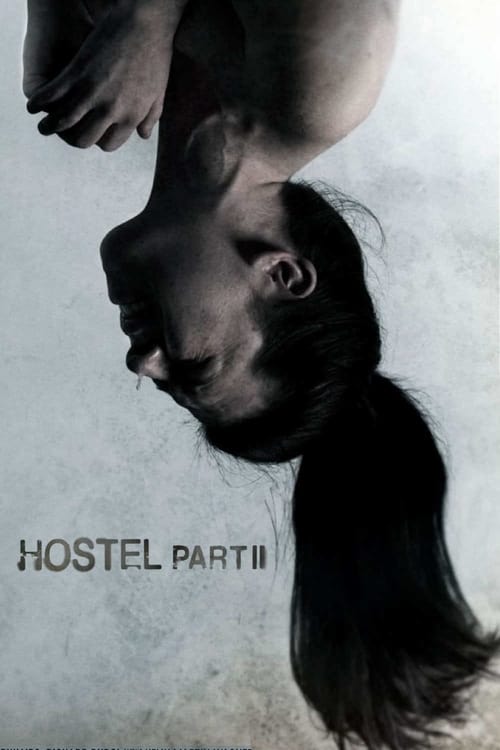
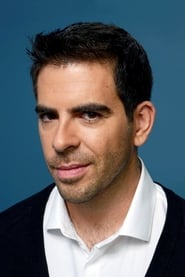
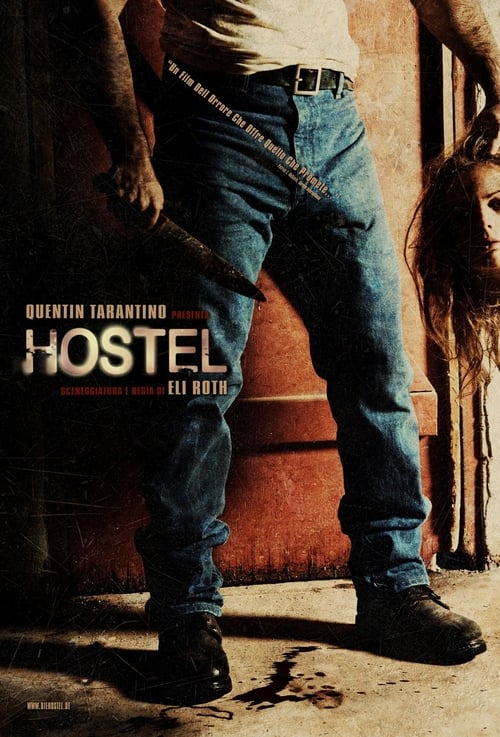
A year and a half after the controversial "Hostel", its sequel makes its appearance in theaters, always directed by Eli Roth and produced by Quentin Tarantino. The differences with the first film are immediately evident, although Roth tends to propose the same basic story as in the previous episode, he skillfully manages to carry out a triple operation of sequel-synthesis-addition. "Hostel: Part II" begins right where the first film ended and thus manages to create a sense of narrative continuity to the whole, as if the two films were in reality two parts of a single work. Although Roth has adopted this expedient, "Hostel: Part II" can be quietly seen and understood in every detail even by those who missed the first film, and not only thanks to a canonical "summary of the previous episode" inserted as a tale of the survivor Paxton (Jay Hernandez), but also thanks to a basic structure that broadly repeats the subject of the first film. At the same time, "Hostel: Part II" manages to be usefully complementary to its prequel, thanks to a series of details that clarify the criminal organization behind the hostel of death as well as their methods of auctioning the victims, and even space is given to the leader of the death multinational.
"Hostel: Part II" thus presents itself as a much richer and more complex product than one might expect, capable of showing how the interesting material proposed in the previous film still has many things to say. And this happens thanks to a good script by Eli Roth himself, certainly more attentive to the delineation of the characters and the development of the story than that of the first "Hostel", in fact, on more than one occasion, "Hostel: Part II" even shows ambitions much greater than what a product of this kind may require and this is not simply due to the careful screenplay, but also to an aesthetic rendering of all respect. Great attention has been given to the music, often including lyrical/folk pieces from the tradition of Eastern Europe, always in perfect harmony with the images that scroll across the screen; functional and suggestive are also the sets that set aside the tourist attention for the territory in an attempt to enhance places and events little explored by the traditional geographical visualization of the places described.
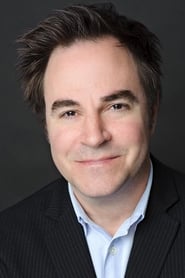
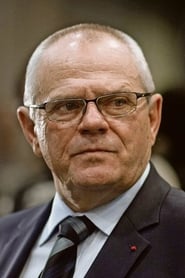
The film's cast is composed of actors not particularly known to the general public (European), but they are nevertheless of great effectiveness, scenic and acting: Lauren German (seen in "Non aprite quella porta" by Nispel) is excellent in the role of the icy protagonist, as well as Roger Bart ("The Perfect Woman") is very effective in the role of the insecure and schizophrenic tormentor Stuart. Surely sympathetic are the citationist cameos of three greats of Italian genre cinema: Luc Merenda, unforgettable protagonist of so many polizieschi and Italian thrillers of the 70s, is here present in the role of the Slovak ambassador; Edwige Fenech appears in the role of an art history teacher in a Roman school; Ruggero Deodato, on the other hand, appears in the most fun and successful cameo, in the role of a cannibal tormentor dealing with a meal of lecterian memory.
Roth's citationist will does not stop at the aforementioned cameos, but, good student of Tarantino, manages to infuse the film with references, explicit or not, to our genre cinema of thirty years ago (while in the first "Hostel" the homage was all for the modern horror/pulp Eastern cinema): the scene in Rome is explanatory (scene however shot in reality in Prague!) and the consequent train journey cannot but recall to the mind of the cinephile spectator "The Last Train of the Night" by Aldo Lado; we continue with a reference to the myth of the bloodthirsty noblewoman Elizabeth Bathory, several times brought to the screen by our directors (one title among all is "The Plenilunio of the Virgins" by Paolo Solvay); we then describe a decadent and corrupt nobility as happened in the Gothic films of the 60s, to end with a scene of undeniable effectistic cruelty that directly recalls a frequent "punishment" more times brought to the screens in our old cannibal movies.
The violence shown in "Hostel: Part II" is of great ferocity and if compared to the much-praised cruelty of the first film, it is certainly more parsimonious in the number of scenes in which it is exhibited, but much more cruel and sick, just cite the execution of the child in cold blood (a bit too gratuitous to be true) to realize.
Even the explicit criticism of the exacerbation of capitalism and the meanness of a modern aristocracy in evident state of moral decline is present here and even more felt compared to the previous film, thanks to the description of the initiation to the circle of death to which the two future tormentors must submit, followed in parallel to the adventures of the four young protagonists.
In conclusion, "Hostel: Part II" presents itself as an extremely crude film, in images and contents, certainly more cared for compared to its prequel although less fun (especially in the first part) and with the disadvantage of the absence of the novelty of the previous franchise.
Comments
Comments (0)










Comments