












Il Verdetto
1851. Nelle foreste della regione spagnola della Galizia vengono rinvenuti numerosi cadaveri orrendamente mutilati.
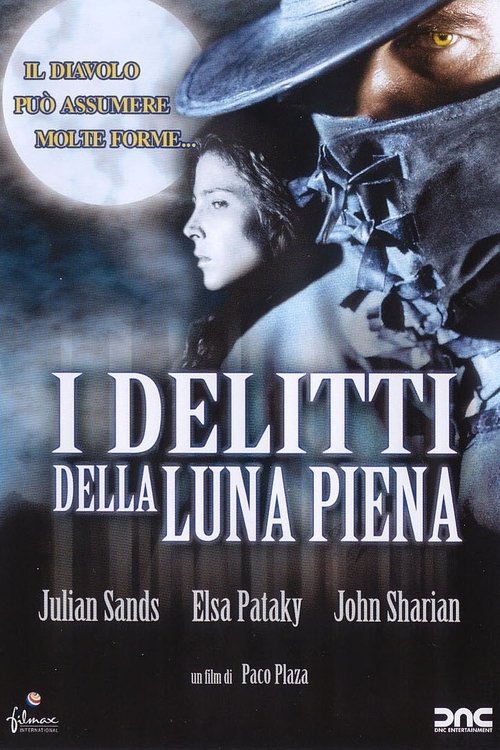
1851. Nelle foreste della regione spagnola della Galizia vengono rinvenuti numerosi cadaveri orrendamente mutilati. Inizialmente la colpa viene attribuita ai lupi, ma ben presto si comincia a sospettare di un uomo. Nel frattempo è giunto Manuel Blanco Romasanta, un misterioso uomo che si aggiudica subito la simpatia di Josephine e di sua sorella Barbara. Quando Josephine viene rinvenuta cadavere, Barbara comincia a sospettare che sia proprio Manuel l’artefice dei delitti che sconvolgono la regione e, dopo avere raccolto delle prove che confermano i suoi sospetti, la ragazza si mette alle costole dell’uomo per vendicarsi.
Il nuovo cinema di genere spagnolo, fieramente rappresentato dalla Fantastic Factory di Fernandez e Yuzna, si arricchisce di un nuovo titolo: “I Delitti della Luna Piena”. Questo film si inserisce nel filone delle pellicole dedicate ai licantropi, ma affronta il tema da una prospettiva tutta particolare, in bilico tra il racconto thriller/ horror e il dramma legale; infatti “I Delitti della Luna Piena” si ispira alla vera storia di Manuel Blanco Romasanta, un venditore ambulante che confessò di aver ucciso tredici persone per poi ricavare del sapone dal loro grasso e rappresenta anche l’unico caso giudiziario ad aver usato la licantropia come movente per i delitti dell’imputato. Date le affascinanti premesse e l’interessante materiale che gli sceneggiatori Elena Serra e Alberto Marini avevano tra le mani, si fatica a capire per quale motivo il risultato sia un film tanto scialbo e inutile come “I Delitti della Luna Piena”!
Il difetto principale che si può percepire dalla visione del film di Paco Plaza ( Second Name ) è una stanchezza di fondo, una narrazione trascinata, poco fluida, pesante e ridondante che non riesce minimamente a coinvolgere lo spettatore; il film impiega troppo tempo ad entrare nel vivo della vicenda e, per di più, nella lunga attesa iniziale non vengono neanche delineati i personaggi o resi chiari gli eventi. Purtroppo lo spettatore deve faticare per capire chi è chi e perché fa determinate cose, avendo anzi più volte la tentazione di premere il pulsante STOP sul telecomando del lettore dvd. Il coinvolgimento emotivo dello spettatore è il primo requisito che deve presentare un film d’intrattenimento, se ciò viene a mancare il film può tranquillamente considerarsi un fallimento e tanto è “I Delitti della Luna Piena”.
Certo, bisogna anche ammettere che formalmente il film di Plaza non fa una piega: ottima la fotografia, spesso sporca e sgranata quando non tendente al luminoso, e buona anche la ricostruzione storica; inoltre di sicuro impatto risultano anche gli effetti speciali, tra i quali si può annoverare anche una trasformazione da lupo in uomo molto realistica.
Tra gli interpreti si possono riconoscere un Julian Sands ( “Warlock”; “Il fantasma dell’Opera” ) come al solito inespressivo ma abbastanza in parte con il personaggio e una bellissima Elsa Pataky ( Manuale d’amore 2 ) nel ruolo della coraggiosa Barbara.
In conclusione con “I Delitti della Luna Piena” abbiamo a che fare con una grande occasione mancata, con un film che susciterà più di uno sbadiglio malgrado l’interessante idea di base. Un film senz’anima!
Commenti
Commenti (0)




Commenti