



Il Verdetto
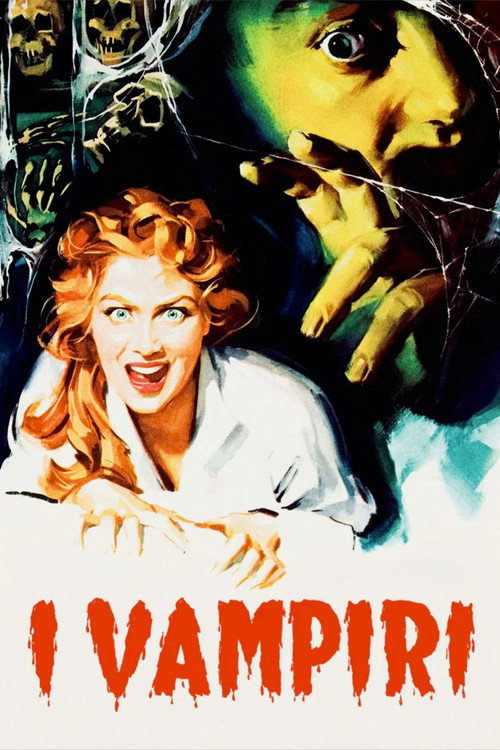
Alcune ragazze vengono trovate morte per dissanguamento. Un abile investigatore si mette sulle tracce dell’assassino e scopre che dietro i delitti si nasconde un orribile mistero: una vecchia strega uccide giovani donne per ringiovanire bevendo il loro sangue.
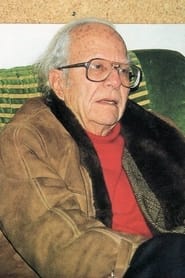
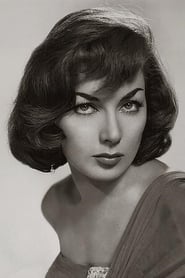
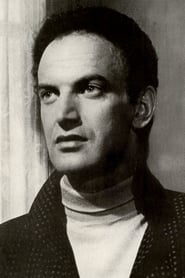
Alcune ragazze vengono trovate morte per dissanguamento. Un abile investigatore si mette sulle tracce dell’assassino e scopre che dietro i delitti si nasconde un orribile mistero: una vecchia strega uccide giovani donne per ringiovanire bevendo il loro sangue. Definito da parte della critica “il primo vero film dell’orrore italiano” fu girato da Riccardo Freda in sole due settimane. La storia era ambientata a Parigi, ma grazie a modellini e a piccoli quanto geniali trucchi (come ad esempio l’uso di cartoline come sfondi) realizzati insieme all’amico e collaboratore Mario Bava il film fu girato interamente a Cinecittà. Il mito del vampiro visto da Freda é decisamente innovativo e singolare, non più bare, crocifissi e paletti di frassino, ma solo la frenetica ricerca della giovinezza e dell’eterna bellezza. Per volere dei produttori “I Vampiri” è parzialmente diverso da come lo avrebbe voluto Freda stesso, in fase di montaggio infatti furono aggiunte alcune sequenze (girate da Mario Bava) nel tentativo di dare al film quasi un tono “poliziesco”, ed incontrare, in questo modo, il gusto di una fetta più grande di pubblico. Il film possiede il suo punto più “spettacolare” nell'invecchiamento della protagonista che avviene in diretta sul set. Il trucco fu una trovata di Mario Bava: si trattava di un make-up i cui colori predominanti erano il rosso e il blu. Una lampada posizionate sul volto della protagonista toglieva, a seconda del colore, il trucco dell'attrice per evidenziare quello dell'altro colore. In questo modo, cambiando gradatamente il colore della luce, si assisteva al progressivo invecchiamento della Duchessa-vampira. La pellicola fu presentata con successo in Francia dove venne intitolata “Les Vampires”, in Inghilterra dove uscì col titolo “Lust of the Vampire” e negli Stati Uniti come “The Devil's Commandment”. In Italia invece il film andò male ed incasso poco, probabilmente perché all'epoca una pellicola italiana dell'orrore non era credibile ma anzi quasi anticommerciale. Freda fece tesoro di questa esperienza e, con il suo successivo film “Caltiki - Il Mostro Immortale” si firmò Robert Hampton.
Commenti
Commenti (0)




Commenti