








The Verdict
The crew of publisher Parks sneaks into the castle of Travis Anderson, an actor who retired from the scene several years ago. The publisher is looking for a suitable location to photograph the covers of his horror books.
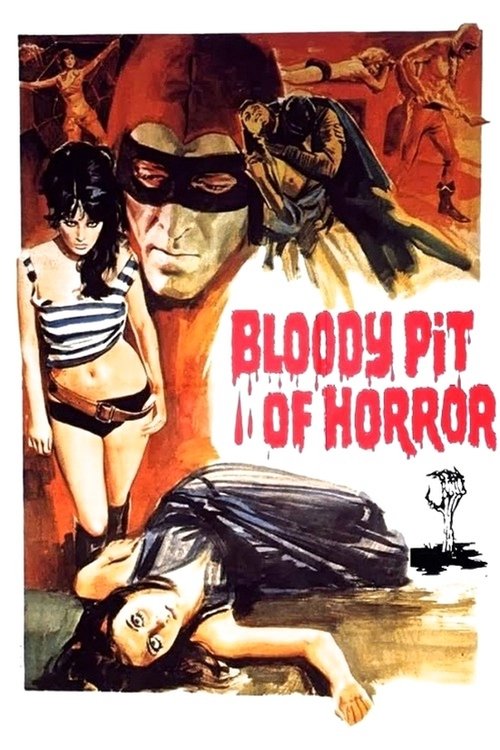
The crew of publisher Parks sneaks into the castle of Travis Anderson, an actor who retired from the scene several years ago. The publisher is looking for a suitable location to photograph the covers of his horror books. After an initial hostility, Anderson decides to host the crew, but they accidentally release the spirit of the scarlet executioner, a murderer who was executed and buried in the castle's dungeons centuries ago. From that moment on, all present will begin to fall under the blows of the masked killer.
It was 1965 and the Italian film industry was in full swing: numerous annual productions belonging to the most varied genres and excellent box office results. Among the various genres explored, horror was living a fairly fertile period, it was a young genre but already eager to experiment and, why not, transgress. And it is precisely by opening the door to transgression that "The Scarlet Executioner" is born, a true cult of Italian genre cinema.
Behind the camera, we find Massimo Pupillo (here with the pseudonym Max Hunter), a director active for only two decades but who managed to leave his mark with an ideal gothic horror trilogy of which "The Scarlet Executioner" represents the pinnacle of bizarre exploitation (the other two titles are "5 Graves for a Medium" and "The Revenge of Lady Morgan", both from 1965).
"The Scarlet Executioner" can be observed today as an object of sure interest for all vintage horror enthusiasts and also holder of several merits that place it a bit as a precursor of much postmodern genre cinema. It may seem strange to the more skeptical, but Pupillo's film is a sort of slasher before its time, a body count that carries within it all the rules that will later be made famous by the sagas of "Halloween" and "Friday the 13th". We find a varied group of characters who are forced to act in a confined place and at the mercy of a masked killer who prefers to strike with white weapons, we can even find the classic situation of the couple surprised making love and therefore slaughtered. In short, a true father of American slasher.
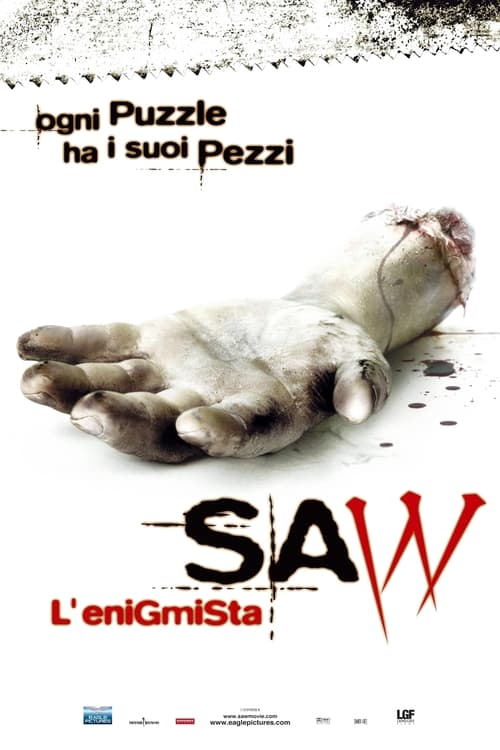
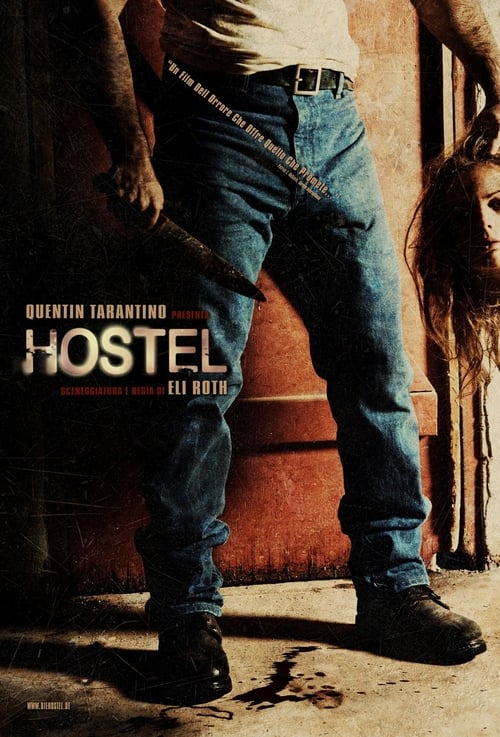
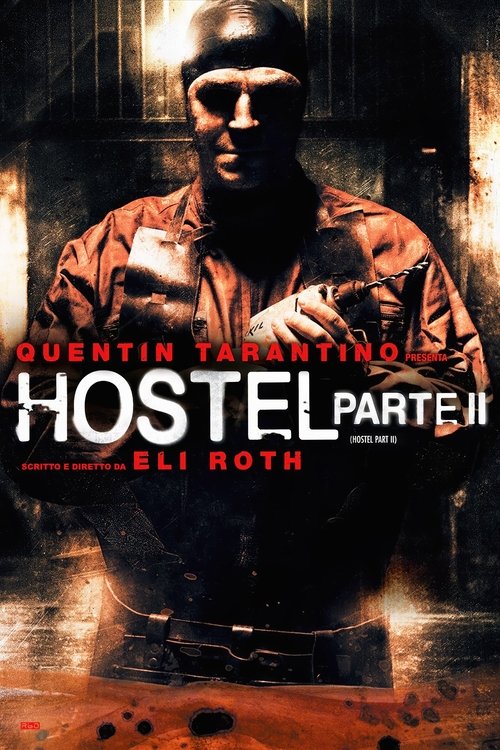
What could even leave one astounded is the placement of this innovative title in the torture porn genre of today's films, made famous by movies of the caliber of "Saw" and "Hostel". The Scarlet Executioner's favorite hobby is indeed torture, inflicted on his victims with a series of medieval machines carefully customized by the executioner, some of which not too dissimilar from the instruments of death of the Enigmista.
"The Scarlet Executioner" is therefore a film that has managed to break the rules and even anticipate trends that would develop on the other side of the ocean 15 or even almost 40 years later. A film that was nevertheless a truly forbidden vision at the time, the classic film forbidden to minors that was really able to seem "excessive"; indeed, Pupillo does not spare us painful tortures well exhibited and female nudity that plays a lot with the morbidity of seeing and not seeing, loading erotic emphasis precisely because of their voyeuristic nature.
In reality, "The Scarlet Executioner" is a pulp work that seeks to bring with originality to the big screen the suggestions of adult comics of that time, those sadistic and cruel comics that were spreading with success ("Kriminal" and "Satanik" by Bunker and Magnus above all) and that little by little would take on erotic connotations (it is enough to think of the adventurous "Jungla" or the vampiric "Jacula").
The executioner himself is a sadistic surrogate of the criminals of Italian black comics, or an ideal bitter enemy, who in Pupillo's description takes on bizarre superomistic meanings intrinsically Nietzschean; his unmistakable red hood that tops a black mask and his powerful arms ready to wield axes or spiked clubs can perfectly rise as a symbol of Italian exploitation cinema of the beginnings.
With pleasure, we also note a certain freshness in the realization, a great rhythm that alternates comedy tones with true delusions of violence, as well as a use of colors almost hyper-realistic that contributes to making "The Scarlet Executioner" one of the best-aged works of that period. Certainly, some details still reveal the underlying poverty of the production, such as some embarrassing special effects (the fake ragno) and acting not always up to par, as well as seen today Pupillo's film could make one smile for some comic book naivety, and yet this film retains a unique charm and for connoisseurs of certain cinema, it remains still today a film of rare effectiveness.
It is a shame that nowadays "The Scarlet Executioner" is a ghost film, unreachable in the Italian market for many years.
Comments
Comments (0)













Comments