









Il Verdetto
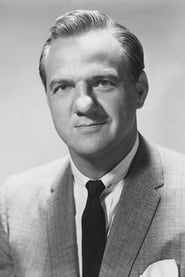
Un enigmista cieco (Karl Malden) e la sua affezionata nipotina (Cinzia De Carolis) si trovano coinvolti a poco a poco in una misteriosa catena di delitti che ruota attorno ad un istituto di ricerche sulla genetica e l’ereditarietà, e ai segreti che nasconde.
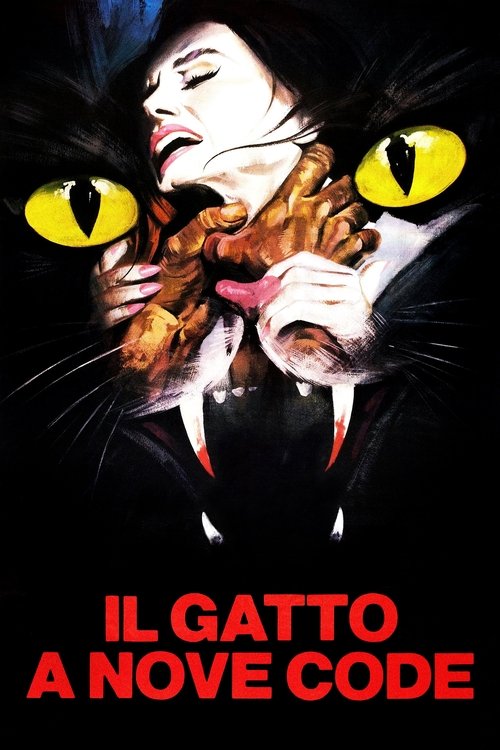
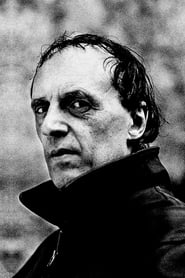
Un enigmista cieco (Karl Malden) e la sua affezionata nipotina (Cinzia De Carolis) si trovano coinvolti a poco a poco in una misteriosa catena di delitti che ruota attorno ad un istituto di ricerche sulla genetica e l’ereditarietà, e ai segreti che nasconde. Oltre alla polizia, anche un sedicente giornalista (James Franciscus) inizia ad indagare sul caso, coadiuvato dalle notevoli intuizioni dell’invalido, appassionato di rebus. Presto scopriranno che ogni collaboratore dell’istituto cela un lato oscuro, dal semplice tecnico di laboratorio alla figlia del direttore (Catherine Spaak), ma alla fine, tra avventure al cimitero e tentativi di avvelenamento, l’assassino rivelerà la propria identità, non prima di aver lasciato alle spalle numerose vittime… Prosegue nel segno del giallo più “classico” il percorso creativo del regista nostrano, iniziato l’anno precedente con l’ottimo “L’uccello dalle piume di cristallo”. E’ infatti ancora una storia di delitti, indagini, colpi di scena e rivelazione finale del colpevole il costrutto narrativo su cui si basa questo secondo lungometraggio di Dario Argento. “Il gatto a nove code” è probabilmente la sua opera meno apprezzata tra quelle degli anni ’70 (e forse anche degli ’80), e ciò può essere imputabile ad alcuni punti deboli che, nonostante il talento del regista, non mancano. E’ forse l’eccessiva lunghezza del film (siamo vicini alle due ore), o la lentezza e la staticità di alcune sequenze molto dialogate e poco funzionali allo sviluppo narrativo, o forse ancora gli sdolcinati siparietti d’affetto tra l’enigmista e sua nipote (accompagnati immancabilmente dalle soavi melodie di Morricone).. tutte queste potrebbero essere ragioni plausibili per cui il film non convince. Ragioni plausibili sì, ma non sufficienti per bocciarlo in toto. L’assunto scientifico su cui si basa la trama (la possibilità di determinare l’inclinazione aggressiva e criminale di una persona mediante l’analisi del DNA e la ricerca del cromosoma XYY) è indubbiamente affascinante e in anticipo sui tempi (confermando comunque l’originalità del soggetto) vista la tendenza nei decenni successivi a fantasticare sul desiderio di previsione empirica del crimine (“Minority Report”). Ancora una volta la polizia viene rappresentata come personaggio secondario, mentre il privato cittadino (scrittore con fidanzata nel film precedente, enigmista e giornalista qui) diviene la forza motrice dell’intreccio, risolvendone alla fine l’estrema drammatica evoluzione, spesso attraverso modalità d’indagine e di ragionamento impossibili per l’autorità preposta. Inoltre prosegue l’incursione argentiana attorno a una delle tematiche fondamentali di tutto il suo cinema: la “vista” come significato di conoscenza vera o presunta e l’”occhio” come significante. E’ infatti di grande impatto, innanzitutto visivo, la contrapposizione tra la cecità del vecchio enigmista (è quindi un handicap, caratteristica propria di molti personaggi argentiani) e il particolare della pupilla dilatata dell’assassino, inserita con abile montaggio all’interno di alcune sequenze di omicidio o voyeurismo. Si tratta evidentemente di un’estrema antitesi a livello concettuale, forse metafora di un messaggio particolare: l’enigmista, se non fosse per l’aiuto della bambina e del giornalista, non vedendo non avrebbe mai potuto sapere e non avrebbe mai rischiato la vita; al contrario, l’assassino vedendo, ovvero divenendo conscio della sua predisposizione genetica, fallisce nel tentativo di negare questa realtà (sostituire i risultati del test), e, suo malgrado, agisce obbedendo inevitabilmente alla sua natura. A livello stilistico, due sono le scene di interesse: la prima è quella dell’attesa alla stazione, dove l’assassino si guarda intorno (panoramiche in soggettiva alla ricerca del treno) e si sbarazza di un personaggio scomodo scagliandolo sotto a un treno; la seconda è quella del cimitero, dove il giornalista, quasi in una dimensione onirica sospesa dal tempo narrativo, viene imprigionato in una tomba e liberato dall’enigmista cieco, di cui nemmeno lo spettatore sa più se fidarsi o meno. Il film, girato interamente a Torino, ma montato, nelle parti in esterni, in maniera tale da non poter riconoscere la città, ottenne al botteghino più successo del film d’esordio. Curiosità: Il titolo si deve ad una similitudine che i due protagonisti pongono tra lo sviluppo dell’investigazione e l’animale in questione. Infatti, ad un certo punto delle indagini, si presentano ben nove piste da seguire, ognuna delle quali, se veritiera, avrebbe potuto da sola risolvere il caso.
Commenti
Commenti (0)











Commenti