







The Verdict
Quinn Brenner is a young aspiring actress who became an orphan after her mother died of a serious illness one year prior. Eager to communicate with her, she turns to a psychic named Elise, who is herself still shocked by the suicide of her husband.
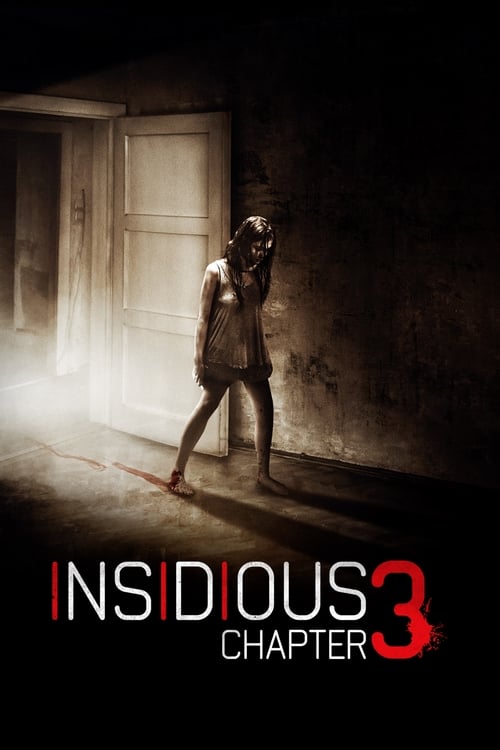
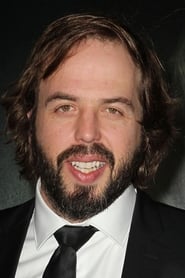
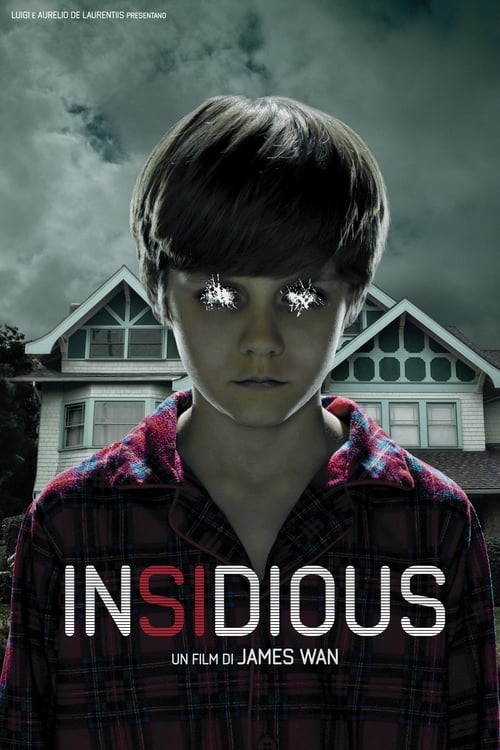
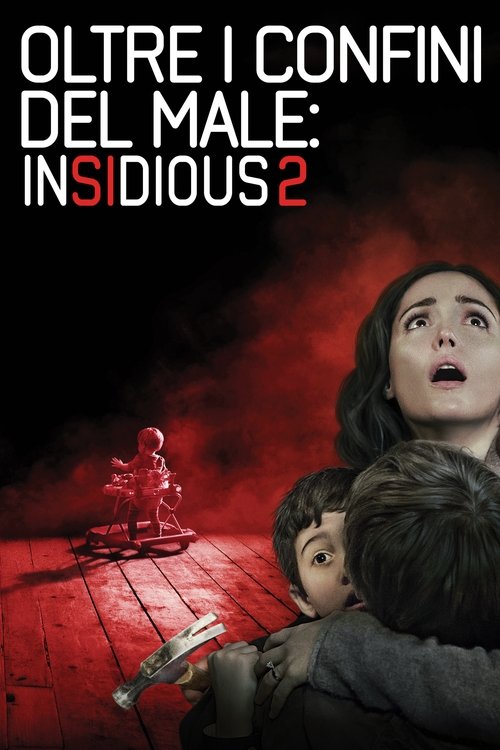
Quinn Brenner is a young aspiring actress who became an orphan after her mother died of a serious illness one year prior. Eager to communicate with her, she turns to a psychic named Elise, who is herself still shocked by the suicide of her husband. Elise warns the teenager about the risks of invoking the souls of the deceased. The séance takes place anyway, and Elise perceives an unsettling presence that quickly leaves. Some time later, Quinn, after an audition for a theater school, notices a strange figure in the street that distracts her and prevents her from seeing a car that hits her full-on, forcing her into a wheelchair. Her convalescence at home turns into a real nightmare, filled with sinister noises and ghostly apparitions. To her rescue come Elise and two ghost hunters who will face a terrible demon thirsty for human souls. When the two famous producers Oren Peli and Jason Blum decided in 2010 to bet on a talented director still seeking definitive success, like James Wan, to launch the "Insidious" saga, few would have bet even a single euro on the success of what seemed like the usual story of haunted houses strongly related to "Paranormal Activity". And yet, the enormous box office earnings and the unanimous consent of the public and critics obtained by "Insidious" and "Insidious 2" consecrated the series produced by BlumHouse as one of the most important and valuable of the 2000s, to the point of putting a third episode titled "Insidious 3: The Beginning" into production. This time, unlike the two previous chapters, the old football adage "a winning team doesn't change" is almost completely overturned: we witness a change at the helm with Leigh Whannell (already screenwriter and actor of the first two episodes) taking James Wan's place, a partial renewal of the cast, and above all a brand-new story. As can be inferred from the title, the film presents itself as a prequel that tells the origins of the evil that a few years later would afflict the now infamous Lambert family. What does this restyling lead to? To a pleasant film, but at the same time the weakest of the three both from the writing and technical points of view. One of the few things from the past that has remained intact is the formula on which Whannell relies to create the right climate of tension. The key element to achieve this purpose remains the atmosphere, made up of funeral settings and large areas of shadow in which demons and presences hide that manifest in the protagonist's bedroom, the true epicenter of the entire film. There are thus numerous scenes of fear that draw inspiration from one of the tropes of 1960s gothic horror cinema, namely the seance and the evocation of the dead that here serve as the trigger for all evil. Nothing new under the sun, but everything is damned effective, just think of the appreciable sequence in which the two ghost catchers, guided by a camera placed on the young girl's head, venture into Quinn's room receiving a bad welcome. To sharpen this sense of discomfort and unease, there are the dark-toned photography of Brian Pearson and the excellent music of Joseph Bishara who reproduce the tried-and-true mix of beating sounds and screeching violins suitable for underscoring the surreal nature of the story. Once the Wan heritage is exhausted, however, there is the feeling that the director struggles to walk on his own feet and some choices are not entirely convincing. The screenplay by Whannell himself begins to show too many cracks, with forced references to the previous films and especially in the second part the plot takes a turn that we could almost define as trash and completely inconsistent with the rest of the classic ghost story structure. A trashy turn summed up in a disappointing ending in which we witness real fistfights between the protagonists and the demons and lines that border on the grotesque. Moreover, it must be said that the figure of "The Man Who Doesn't Breathe," however unsettling and honest it may be, cannot be minimally compared to those of the demon with the burned face and the woman in black, protagonists of the first two films. The cast, as mentioned, follows the work of renewal and sees some new entries including the young Stefanie Scott who is very good at giving depth to her character, while Dermot Mulroney is somewhat less convincing. On the side of the old acquaintances, Lin Shaye confirms herself as a guarantee in the role of the medium Elise and the same goes for Leigh Whannell and Angus Sampson in the roles of the bizarre pair of ghost hunters. Final curiosity regarding James Wan who does not completely abandon his creature and appears in a cameo that I leave for you to discover. "Insidious 3: The Beginning" is ultimately a good product that satisfies the fans of the saga, but might raise eyebrows among the rest of the enthusiasts.
Comments
Comments (0)















Comments