





Le Verdict
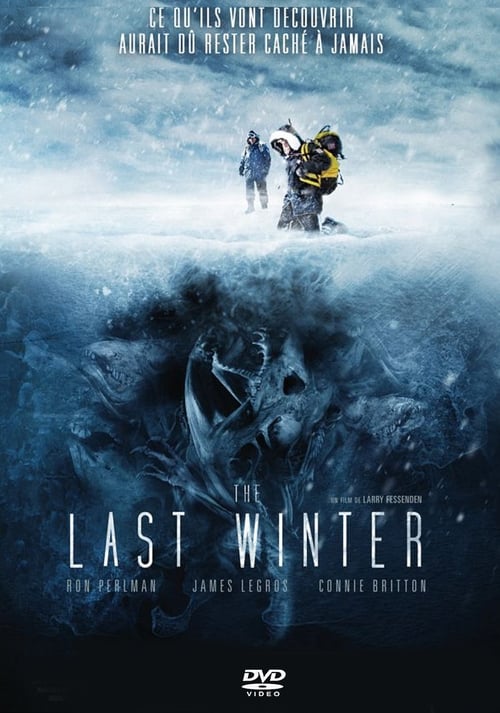
Alaska. Une équipe de chercheurs, employés de la multinationale North Industries, met en œuvre un plan de forage pour l'extraction de pétrole.
Alaska. Une équipe de chercheurs, employés de la multinationale North Industries, met en œuvre un plan de forage pour l'extraction de pétrole. À proximité du campement se trouve une boîte blanche, laissée quelques années plus tôt par les foreurs exactement à l'endroit choisi pour l'extraction de pétrole puis abandonnée de manière inexplicable. La boîte attire l'attention de McKinder qui devient fou avant d'être retrouvé mort gelé au milieu de la neige. Pendant ce temps, les chercheurs constatent que la température sous eux augmente de jour en jour. Le thème de la vengeance écologique peut être divisé en deux sous-genres, celui plus substantiel qui nous montre un ou plusieurs animaux attaquant la vie humaine, et celui plus restreint où la nature se déchaîne contre l'homme de manière plus abstraite, à travers des cataclysmes ou des événements inquiétants non toujours explicables. Dans la première catégorie, nous pouvons inclure les nombreux films de monstres qui envahissent de plus en plus fréquemment le marché de la vidéo, tandis que dans la seconde, nous trouvons des films uniques comme "Frogs" (même si ici le facteur "animaux terribles" est tout de même présent), "E venne il giorno" et "The Last Winter". Le film de Larry Fessenden ne convainc ni sur le plan purement conceptuel, ni, surtout, sur le plan narratif. Si l'on peut affirmer sans aucun doute que Fessenden ("No Telling – La sindrome di Frankenstein"; "Wendigo") sait faire son travail de réalisateur, voire qu'il s'améliore techniquement avec les années (et les films), en ce qui concerne le contenu, "The Last Winter" laisse trop à désirer. L'idée de départ et le postulat de base de ce film sont : l'homme détériore la nature et "presse" la Terre, donc la nature se prépare à prendre sa revanche. Simple, voire simpliste, axiome de cause à effet appliqué à la vengeance écologique qui, pour avoir une réelle "raison d'être" dans un paysage rempli de films similaires – surtout dans le paysage des films catastrophe – aurait dû avoir quelque chose à dire. Si Fessenden voulait nous communiquer quelque chose de particulier, nous ne le savons pas, puisque le réalisateur n'a pas réussi : "The Last Winter", en effet, donne à l'observateur l'impression d'avoir assisté à rien. Le film se déroule et se conclut en aboutissant à rien, et la chose la plus grave est que le scénario est parfaitement divisé en trois actes et chacun d'eux présente ses propres rebondissements narratifs. Alors, il doit vraiment y avoir quelque chose qui ne va pas. La raison doit alors être trouvée dans une multitude de petits/grands détails abandonnés à eux-mêmes, à commencer par l'absence totale de rythme narratif. Fessenden nous a habitués à un type de cinéma lent, mais oui, disons-le, ennuyeux, mais néanmoins fort pour le courage de dire et montrer des choses souvent désagréables et de réinterpréter avec un certain originalité des mythes de l'imaginaire collectif dont on semblait avoir tout dit (il suffit de penser à Frankenstein dans "No telling" et au Vampire dans "Habit"). Avec "The Last Winter", Fessenden semble plus proche du style para-télévisuel de "Wendigo", mais contrairement à ce dernier, il apparaît plus domestiqué, plus lascif et surtout moins impliqué. Le manque d'implication est ensuite le défaut qui afflige également le spectateur, qui se retrouvera à observer passivement pendant quatre-vingt-dix minutes une situation qui n'a rien d'intéressant, des coups de théâtre qui mènent à l'ennui et des personnages profondément laids. Les magnifiques décors désolés de l'Alaska, parfaitement mis en valeur par une série de plans aériens très suggestifs, la circonscrition de l'action dans quelques environnements et le même type de personnages, rappellent beaucoup – sûrement volontairement – "La Chose" de John Carpenter, mais contrairement au chef-d'œuvre du réalisateur de "Halloween", dans "The Last Winter", les personnages sont mal caractérisés, interprétés de manière peu convaincante et tous trop similaires entre eux (à la fois physiquement et psychologiquement), incapables de toucher l'âme du spectateur... pour la série : "Ces personnages ne sont pas des 'connards odieux', mais je ne me soucie guère de leur sort". Le rythme est ensuite le grand absent de ce film ; le film n'est pas dépourvu d'événements importants, mais tout ce qui se passe est si peu mis en avant, si peu intéressant qu'il laisse complètement indifférent. Même ce qui aurait pu sembler être la seule scène de peur potentielle (la découverte d'un cadavre et d'un enregistrement vidéo) est mal gérée, dépourvue de la bonne tension de préparation que la situation exigeait. Pour enfoncer davantage "The Last Winter", il y a un climax final inadapté, qui ne s'intègre pas bien avec le reste de la situation, un affrontement gratuit et presque ridicule de "nos" personnages avec des créatures monstrueuses au design peu attrayant et mal réalisées en images de synthèse. Seul l'épilogue est d'une certaine efficacité, bien que sur-vu dans de nombreux autres films, mais il n'est certainement pas capable à lui seul de sauver la situation. Franchement, un produit de ce genre, on ne sait à qui le recommander.
Commentaires
Commentaires (0)


Commentaires