





El Veredicto
Un escritor descubre, gracias a la cinta usada de una máquina de escribir, algunas informaciones extrañas sobre los "terrenos K". El hombre se apasiona inmediatamente por este misterio y comienza sus investigaciones, que lo llevarán a descubrir la existencia de un tipo particular de suelo en el cual quienes son enterrados allí vuelven a la vida…
Un escritor descubre, gracias a la cinta usada de una máquina de escribir, algunas informaciones extrañas sobre los "terrenos K". El hombre se apasiona inmediatamente por este misterio y comienza sus investigaciones, que lo llevarán a descubrir la existencia de un tipo particular de suelo en el cual quienes son enterrados allí vuelven a la vida…
Un elogio merecido debe hacerse, ante todo, a la 20th Century Fox que, después de la excelente reedición de "La Casa de las Ventanas que Ríen", nos regala otra perla al volver a catalogar el segundo film de terror de la trilogía de Avati, "Zeder", durante años introuvable y ahora disponible finalmente en DVD y VHS en una excelente transferencia de audio y video.
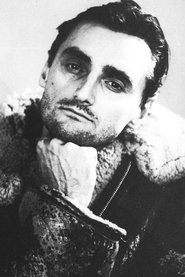
Se trata de una excelente película dirigida por un director que en sus, lamentablemente raras, incursiones en el terror ha sabido siempre dejar una marca importante de su paso. Excelente, como siempre, el protagonista Gabriele Lavia, ya intérprete de otras obras maestras del género como "Profondo rosso".
"Zeder" es la enésima prueba del talento macabro de Avati: lo que podría haberse resuelto en una historia banal de zombis se transforma, bajo la sabia dirección del maestro boloñés, en una fascinante película gótica que busca el miedo en los rincones más oscuros y en los miedos atávicos del alma humana.
Como en su anterior culto, Avati elige una vez más un entorno sui géneris, casi "inadaptado" para una película de terror, como la riviera romañola. Pero gracias a su talento y a su profundo sentido del gótico y del macabro, el director logra transformar incluso la soleada costa riminense en un lugar lleno de misterios e inenarrables secretos.
En conjunto, por lo tanto, una película casi perfecta: un excelente guion (firmado, como ya ocurrió con "La Casa de las Ventanas que Ríen", por el mismo director con la colaboración de su hermano-productor Antonio y de Maurizio Castano), una música de tema inquietante y obsesiva (compuesta por Riz Ortolani), decorados sugerentes y, sobre todo, una dirección realmente magistral.
Curiosidad: el punto de partida para la idea del film fue dado a Avati por una experiencia vivida en primera persona: en ese momento, de hecho, el director había comprado una máquina de escribir eléctrica usada, buscando cambiarle la cinta, descubrió, como el protagonista-escritor de la película, que en ella quedaban impresas las palabras escritas por el anterior propietario.
Por último, cabe señalar que el tema, con la historia de los terrenos que devuelven a la vida a quienes son enterrados allí, recuerda demasiado de cerca el que Stephen King propondrá a sus lectores unos años después en "Cementerio vivo"; pero el mismo Avati, en una reciente entrevista nuestra, ha declarado que considera todo una pura coincidencia, sin pensar en absoluto que King hubiera conocido su película antes de escribir "Pet Sematary".
Comentarios
Comentarios (0)

Comentarios