














Le Verdict
La famille Cairn est au cœur d'un événement heureux : leur deuxième fille, Lily, vient de naître. Malheureusement, la naissance de la petite fille n'est pas synonyme de bonheur, car le couple formé par Brad et Abby commence lentement à se désagréger, surtout à cause d'une grave crise de nerfs qui frappe Abby, obsédée par les pleurs de la petite et les responsabilités maternelles.
La famille Cairn est au cœur d'un événement heureux : leur deuxième fille, Lily, vient de naître. Malheureusement, la naissance de la petite fille n'est pas synonyme de bonheur, car le couple formé par Brad et Abby commence lentement à se désagréger, surtout à cause d'une grave crise de nerfs qui frappe Abby, obsédée par les pleurs de la petite et les responsabilités maternelles. Seul Joshua, le fils aîné, reste impassible dans cette atmosphère de tension palpable. Joshua, un enfant de neuf ans intelligent et obéissant. Mais l'apparente perfection de l'enfant cache une inquiétante froideur qui fait naître le doute dans l'esprit du père que Joshua, en réalité, prépare un plan pour éliminer sa petite sœur et ramener l'attention et l'affection exclusivement sur lui-même.
Vous vous souvenez de cet épisode des "Simpson" dans lequel nous est racontée la naissance de Lisa ? Vous vous souvenez de la réaction de Bart qui se sent soudain relégué au second plan à cause de l'attention excessive portée à la nouvelle arrivée ? Eh bien, "Joshua" est la version drame-thriller de cet épisode sympa du dessin animé.
Espiègleries, jalousies, caprices, conflits intra-familiaux, crises de couple, dépression post-partum, fondamentalisme religieux, accusations de maltraitance, sadisme infantile, troubles psychologiques, tout cela et bien plus encore est compris dans "Joshua", un film qui aurait certainement voulu, pu, dire et faire beaucoup plus que ce qu'il raconte et montre en réalité. L'impression générale à la fin du visionnage est que le réalisateur George Ratliff a constamment gardé le frein tiré sur chaque thème abordé, explorant à plusieurs reprises différents genres et utilisant différents registres narratifs sans en trouver un seul qui le satisfasse pleinement. Le résultat est un film décousu qui n'est absolument pas un film d'horreur, bien qu'il tente de créer une tension avec le langage propre au genre, ce n'est pas un thriller car il n'y a aucun mystère à résoudre, bien que le réalisateur veuille nous le faire croire, ce n'est pas un drame car il est trop "de genre" pour être pris au sérieux.
"Joshua", qui dans certains pays a été présenté avec le sous-titre trompeur "The Devil’s Child", possède une première partie certainement intéressante et assez originale, dans laquelle nous est présentée avec une certaine intelligence et précision la situation familiale des Cairn et leurs dynamiques interpersonnelles, avec une description savante des personnages et une attention aux détails. Les époux Cairn nous sont présentés comme le couple typique un peu ennuyé de la haute bourgeoisie : lui sympathique et de succès, peut-être resté un peu adolescent dans l'âme, elle parfois appréhensive, parfois insécure, sûrement oppressée par les responsabilités familiales pour lesquelles elle n'est clairement pas faite. Dans ce "chaos calme" familial, Joshua agit sans être dérangé, un enfant trop intelligent et trop mature pour son âge ; presque une présence diabolique, avec cette inquiétante aura angélique de celui qui prépare quelque chose. La bonne caractérisation des personnages est valorisée par les belles performances des acteurs, tous à leur manière, à commencer par Sam Rockwell ("Il miglio verde" ; "Il genio della truffa") dans le rôle du père de famille, en passant par Vera Farmiga ("15 minutes" ; "The Departed") dans le rôle de la mère hystérique, et enfin par le surprenant Jacob Kogan, un Joshua trop bien dans son rôle.
À une bonne première partie, cependant, succède une seconde partie peu convaincante, dans laquelle nous sont imposées comme coups de théâtre des situations dont nous avions déjà la certitude, bien qu'une certaine ambiguïté de fond soit toujours présente. L'intensification du conflit entre le père et le fils atteint des sommets d'absurdité et la présence de certains personnages peu crédibles ruine le réalisme jusqu'alors construit ; des exemples frappants sont la scène du parc et le personnage du médecin qui arrive à des conclusions un peu trop hâtives sur les responsabilités paternelles.
Ce qui, peut-être, déconcerte le plus, c'est le vide qui réside en fin de compte derrière ce film, malheureusement confirmé par une fin dépourvue de tout climax : tout ce qui est progressivement construit au cours des presque deux heures de film ne mène pratiquement à rien, ne nous offrant qu'une conclusion anormalement chantante qui laisse un goût amer dans la bouche.
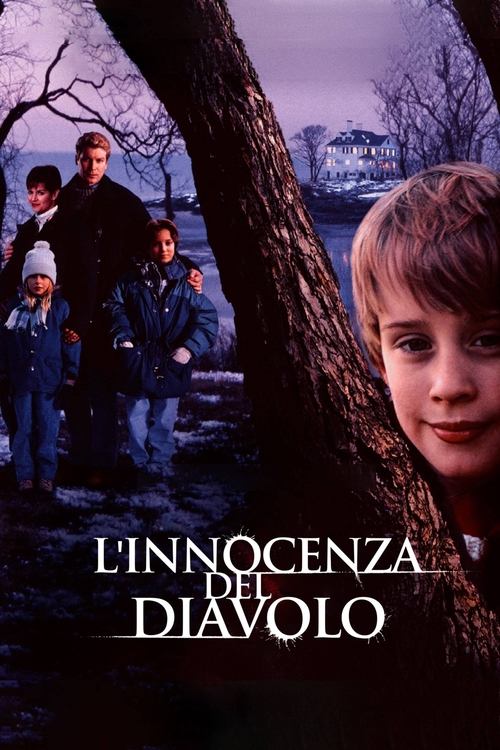
George Ratliff, ici à son premier long-métrage, a un style sobre et réfléchit, peut-être un peu démodé, qui s'adapte néanmoins très bien au type d'histoire qu'il veut raconter. Son modèle est clairement Polanski (drame intimiste se déroulant entre les murs domestiques), mais le résultat est plus proche de "L'Innocence du diable", dont il conserve le thème traité mais perd la méchanceté visuelle de fond et le goût presque exploitatif. Ici et là, on peut noter des citations curieuses de "Le Cuirassé Potemkine" (la poussette poussée déjà dans les escaliers) et de "L'Exorciste" (le début avec une réunion de famille et le malaise soudain de l'enfant).
Potentiellement intéressant, en fin de compte décevant.
Commentaires
Commentaires (0)






Commentaires