



El Veredicto
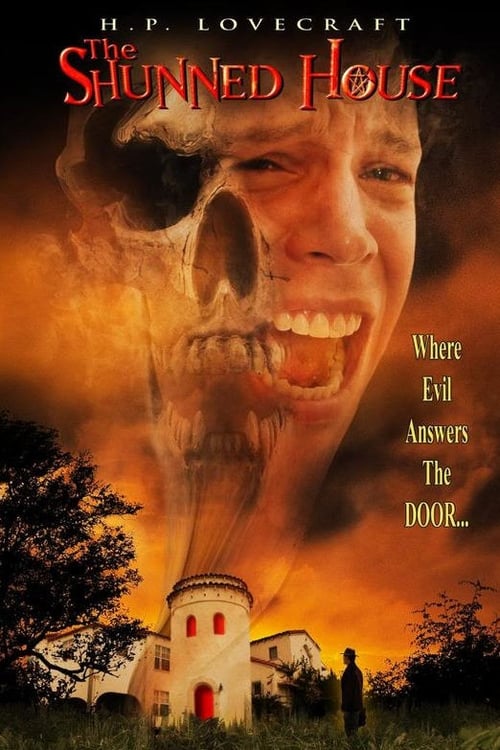
Un joven periodista llamado Alex, para terminar su libro sobre una casa que, a lo largo de los siglos, ha sido escenario de innumerables hechos de sangre, decide ir a echar un vistazo junto a Rita, su compañera. Tan pronto como llegaron al lugar, ambos percibieron de inmediato la extraña y perturbadora fuerza que aún persiste entre las paredes de lo que se llamaba la Posada del Cruce.
Un joven periodista llamado Alex, para terminar su libro sobre una casa que, a lo largo de los siglos, ha sido escenario de innumerables hechos de sangre, decide ir a echar un vistazo junto a Rita, su compañera. Tan pronto como llegaron al lugar, ambos percibieron de inmediato la extraña y perturbadora fuerza que aún persiste entre las paredes de lo que se llamaba la Posada del Cruce. A pesar de las protestas de la chica, Alex impone su decisión de acampar allí hasta que el trabajo de documentación para el libro esté terminado. En la casa, poco a poco, el pasado parece cobrar vida y los destinos de algunos antiguos huéspedes de la posada - un matemático y su novia, un escritor en ciernes y una violinista muda y perturbada - se entrelazan inexorablemente con los de los dos jóvenes. Ajenos a los secretos y a las oscuras tramas que los envuelven, Alex y Rita, como los otros antiguos huéspedes del pasado, caminan hacia la trampa tendida por la fuerza maligna que durante siglos ha convertido esa casa en un reino de horror y sangre. Basado en tres relatos de H.P. Lovecraft ("La Casa Fugitiva", "La Música de Erik Zann" y "La Casa Encantada"), este "The Shunned House" marca el regreso detrás de la cámara de Ivan Zuccon ("L'Altrove"; "Maelstrom") uno de los jóvenes directores más prometedores del género nacional. La película, escrita por Enrico Saletti con la participación del propio Zuccon - que también se encargó del montaje -, es una pequeña pero sorprendente producción independiente que demuestra cómo, si se tiene un poco de coraje, talento y mucha pasión, aún se pueden realizar excelentes películas de terror - sin contaminación de géneros o edulcoraciones censuradas-televisivas - incluso en Italia. La dirección atenta, efectiva y nunca banal de Zuccon, el ritmo discreto y la idea de entrelazar, en un solo hilo narrativo, las diversas vicisitudes de varios personajes, con continuos saltos espacio-temporales, logran mantener vivo el interés a pesar de que el tema central de la película - la casa maldita escenario de matanzas y muertes - sea un tema poco original y a decir verdad muy usado en la cinematografía de terror (y en particular en la de los últimos años). Desafortunadamente, el guion resulta en algunos puntos un poco tambaleante, confuso y poco claro: en el intento de proporcionar solo indicios, de no aclarar inmediatamente todos los aspectos de la historia para mantener una especie de aura de misterio y, por lo tanto, de mayor suspense, termina inevitablemente explicando demasiado poco, dejando en suspenso demasiadas soluciones posibles. Eficaz pero a la larga un poco demasiado repetitiva la banda sonora, funcionales y suficientemente adecuados todos los intérpretes; merecen, sin embargo, un merecido elogio los excelentes efectos de maquillaje de Massimo Storari (la secuencia de la joven violinista que usa una parte de su cuerpo como cuerdas para el violín pone los pelos de punta). "La Casa Fugitiva" es ciertamente la película más convincente en la trilogía personal de terror de Zuccon, la prueba más madura de un director que aún puede mejorar, crecer y ciertamente contribuir a la esperanza de renacimiento del cine de terror en Italia.
Comentarios
Comentarios (0)
Comentarios