



The Verdict
Dr. Martin arrives at Dunsmore Hospital to be hired as the new psychiatrist after Dr.
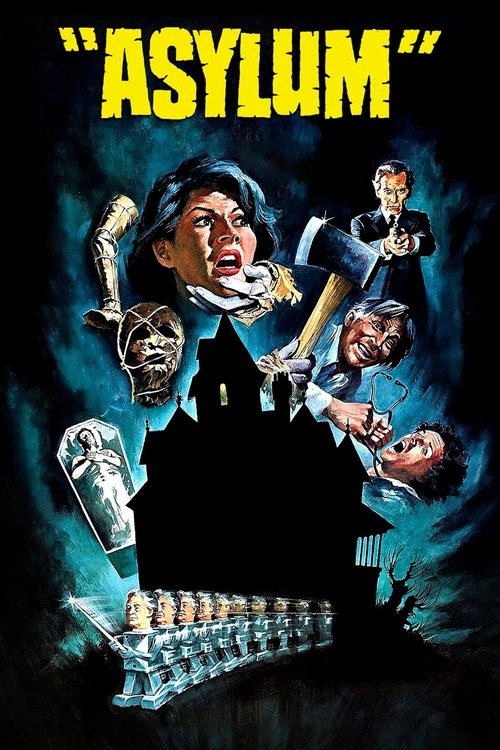
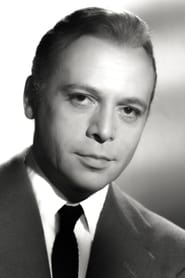
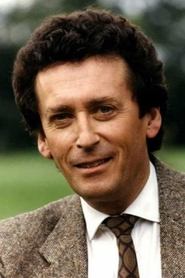
Dr. Martin arrives at Dunsmore Hospital to be hired as the new psychiatrist after Dr. Starr goes mad and is admitted as a patient in the same facility. To welcome Martin is Dr. Rutherford, who throws down a challenge to the newcomer: if he can identify Starr among the patients, he will be hired. Martin then goes to the ward and listens to the stories of four patients, one of whom is Starr.
Bonnie tells of the tragic end of her lover Walter, who kills his wife Ruth and cuts her into pieces but then faces the vengeful fury of the resurrected anatomical parts of the same.
The tailor Bruno tells of the suit sewn with the strange magical fabric provided by Mr. Smith to make a dress for his dead son.
The problematic Barbara testifies to the death of her brother at the hands of her imaginary friend Lucy.
Dr. Byron is convinced he can transfer the souls of people into certain puppets he himself has built.
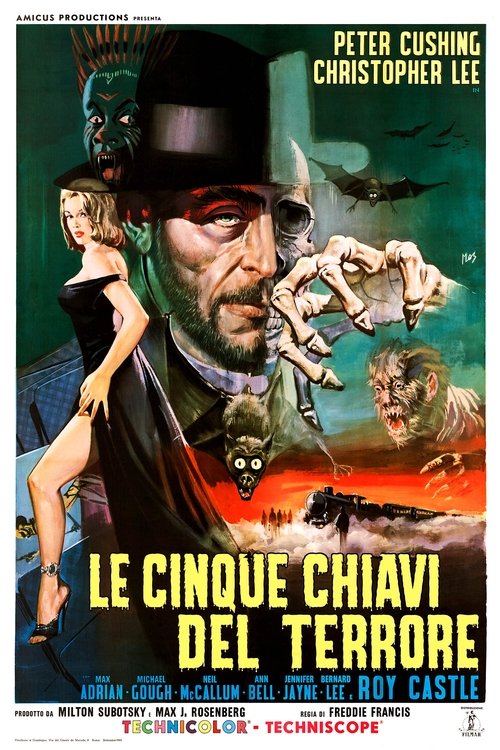
"Death Behind the Gate", also known by the less suggestive but more pertinent original title "Asylum", is the classic Amicus product of the most inspired period of the famous English production company. Ideal competitor of Hammer, Amicus had specialized in horror films with episodes featuring the famous names of horror cinema launched by the rival company, Peter Cushing and Christopher Lee in particular. The success of Amicus was inaugurated by the beautiful and seminal "The Five Keys to Terror", followed by several other horror episodes such as "The Garden of Torture", "The House That Bled to Death", "Tales from the Crypt", "The Shop That Sold Death", "The Creeping Unknown", and "Death Behind the Gate", just to name a few. It must be said that the quality of Amicus productions was medium/high with the only drawback of the repetitiveness of the formula that tended to make the various films similar (and confusing).
"Death Behind the Gate" is one of the highest quality level examples of the modus operandi/narrandi of the famous British house, in that it presents a base story (the frame) that blends almost perfectly with the various episodes, becoming part of the episodic corpus directly. One of the problems of these films, in fact, was often to appear as simple collections of short films with narrative pretexts of ineffective collage, with the consequence that one tended to remember the individual successful episode and not the film as a whole. With "Death Behind the Gate", however, they managed to build a compact film that is at the same time episodic but also enjoyable as a single work. The four stories are sewn together coherently and the last one, moreover, manages to present itself as a whole with the frame story.
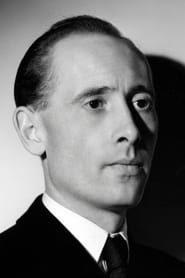
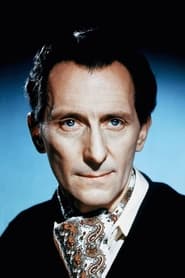
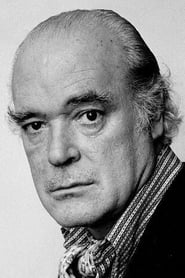
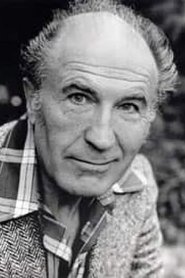
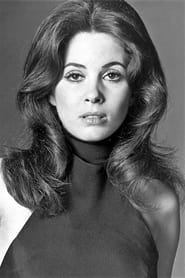
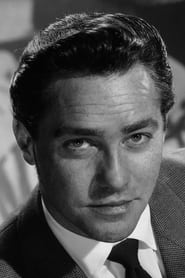
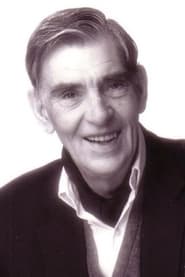
Obviously, like all episodic films, the value is also made up of the individual parts and "Death Behind the Gate" has highs and lows. The first two episodes are absolutely the best. The first, which introduces us to Richard Todd ("The Longest Day") and Barbara Parkins ("The Squeaky Playground") dealing with a dismembered and magically resurrected cadaver, is perhaps the most famous and certainly the most genuinely frightening. Seeing the anatomical parts packaged and alive chasing the two lovers in the basement of the house is at the same time funny and unsettling, in full harmony with the times and rhythms of a fast-paced scary story. The second story is more complex and elaborate, includes a nice twist and focuses a lot on the characterization of the two main characters, the excellent Barry Morse (the tailor) and Peter Cushing (the client), both suffering for various reasons and absolutely apart.
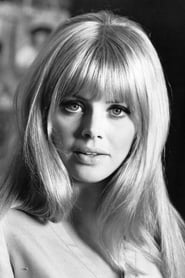
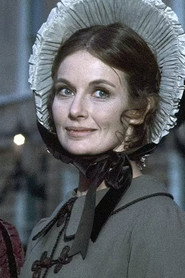
The third episode, with a beautiful Charlotte Rampling ("The Night Porter"), is more conventional and predictable, yet still pleasant and well-built. It is the fourth episode, the one that connects with the frame, that leaves the most disappointed because it is a non-event if taken alone and little relevant to the more general story. The theme is that of killer dolls, those that will be made famous by Full Moon with the "Puppet Master" series, but it lacks tension and a really attractive base idea. Fortunately, however, the film finds a conclusion with an absolutely successful twist that closes a work that seemed to begin to limp just at the end.
Direction and screenplay by two famous names that are generally synonymous with quality: Roy Ward Baker ("Vampires Amants", "Barbara, the Monster of London") directing and Robert "Psycho" Bloch on the script.
Highly recommended.
Comments
Comments (0)












Comments