
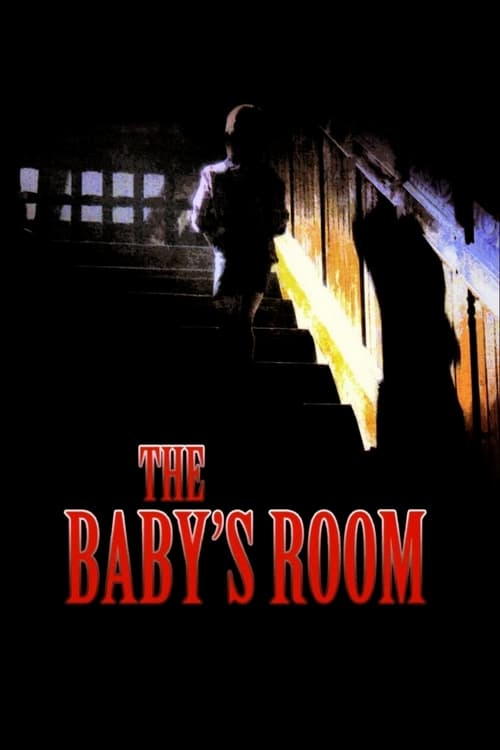

















The Verdict
Juan and Sonia are a young couple with a newborn baby and have just bought a recently restored house. To ensure the baby doesn't have any problems during the night, Juan bought and installed a state-of-the-art baby monitor, which allows not only to listen to the baby but also to watch it on a screen.
Juan and Sonia are a young couple with a newborn baby and have just bought a recently restored house. To ensure the baby doesn't have any problems during the night, Juan bought and installed a state-of-the-art baby monitor, which allows not only to listen to the baby but also to watch it on a screen. The first night, however, is not very quiet and the young spouses see on the baby monitor screen a stranger who seems to want to kidnap their son; Juan rushes into the baby's room, but finds no one there. The visits continue in the following days, despite the alarms installed throughout the house, and family tension becomes palpable, so Sonia decides to go live with her mother and take the baby with her, while Juan stays there to discover who the mysterious individual is who roams inside the house at night and what he wants.
“Películas para no dormir” is a series of six TV movies produced by the Spanish Telecinco in association with Filmax by Julio Fernandez.
The six films, with an average duration of just over an hour each, can be considered the Spanish response to the American “Masters of Horror”, since they bring to the screen a handful of short horror stories directed by well-known directors in the genre.
The six directors involved are: Alex De La Iglesia, Jaume Balagueró, Enrique Urbizu, Paco Plaza, Chicho Ibáñez Serrador, and Mateo Gil.
The title of this series can be considered a reference to a Spanish TV series that aired sporadically from 1964 to 1982 with a total of 31 episodes: “Historias para no dormir”.
Alex de la Iglesia is a versatile director who primarily makes comedies. His nearly twenty-year career is marked by undisputed cult films that intelligently navigate between genres and naturally blend different expressive registers: from the semi-splatter sci-fi of “Acción Mutante” to the satanic horror of “El día de la bestia” to the pulp “Perdita Durango”, always carrying the banner of the lighthearted tone of black comedy and exploitative excess. Only “La comunidad” and “Crimen Perfecto” play their cards openly, showing their grotesque and caricatured nature in every element,
without neglecting the taste for trans-genre citation. With his performance for the TV series “Películas para no dormir”, De la Iglesia does not disappoint, and if fundamentally “La habitación del niño” is more of a horror than “El día de la bestia”, the paws of humor and paradoxical situations are not lacking.
The story at first glance might make one think of the canonical ghost story of those that are very popular in Spain today: the prologue whispers it to us (which Aja probably drew from for his “Riflessi di paura”, see to believe!) and the initial narrative path that the story takes confirms it. In a certain sense, however, it is smoke and mirrors, and “La habitación del niño” reserves some surprises that manage to distinguish this film from the crowd. De la Iglesia manages to play magnificently with the atmospheres, giving the viewer some well-placed moments of fear and constant tension in the scenes that require it; all of this, however, is accompanied by timely and ironic cuts, such as Juan's visits to the store or his encounters/clashes with the office boss.
Very good the acting performances of the cast, starting with the protagonist Javier Gutiérrez (“Crimen Perfecto”) and the supporting actress Leonor Watling
(“Lección 21”; “The Oxford Murders”). The director, as usual, gives an excellent performance behind the camera, supported also by the functional scenery represented by the house that appears both normal and unsettling. If we want to look for some flaws, we could just point out the superficial and stereotyped portrayal of some secondary characters, such as Juan's office colleague and the elderly lady who seems to have the answers to the mystery.
In conclusion, however, “La habitación del niño” is a beautiful horror, fluid and full of suggestions, suitable for both lovers of Iberian ghost stories and those looking for an original story.
Comments
Comments (0)







Comments