




Il Verdetto
Un’antica urna risalente al diciannovesimo secolo viene rinvenuta, incatenata ad una bara, nel cimitero di Viterbo. L’urna viene immediatamente mandata al Museo di Arte Antica di Roma e aperta: al suo interno vengono rinvenute alcune statuette, un pugnale sacrificale e una tunica.
Un’antica urna risalente al diciannovesimo secolo viene rinvenuta, incatenata ad una bara, nel cimitero di Viterbo. L’urna viene immediatamente mandata al Museo di Arte Antica di Roma e aperta: al suo interno vengono rinvenute alcune statuette, un pugnale sacrificale e una tunica. Da quel momento viene liberato lo spirito di Mater Lacrimarum, ultima componente di una triade di potentissime streghe che hanno dato origine al culto per la magia nera. Roma precipita immediatamente nel caos, tra atti di violenza, omicidi e suicidi; nel frattempo decine e decine di streghe giungono da tutto il mondo nella capitale italiana per adorare la loro madre e per dar vita a quella che viene definita “La seconda era delle streghe”. In tale scenario apocalittico si muove Sarah Mandy, restauratrice al Museo di Arte Antica e unica testimone della resurrezione della Terza Madre. La ragazza è ricercata dalla polizia perché ritenuta complice del massacro avvenuto al Museo e, allo stesso tempo, è inseguita dagli adepti di Mater Lacrimarum perché potenziale ostacolo alla venuta del nuovo regno di terrore.
Tremate, tremate…le streghe son tornate!
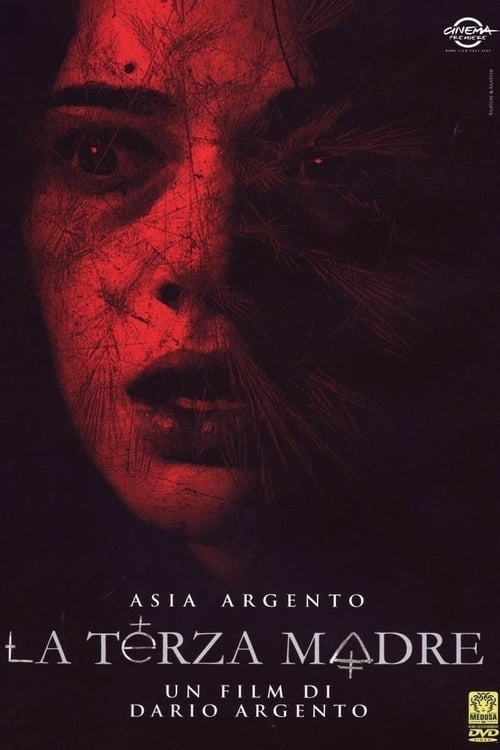
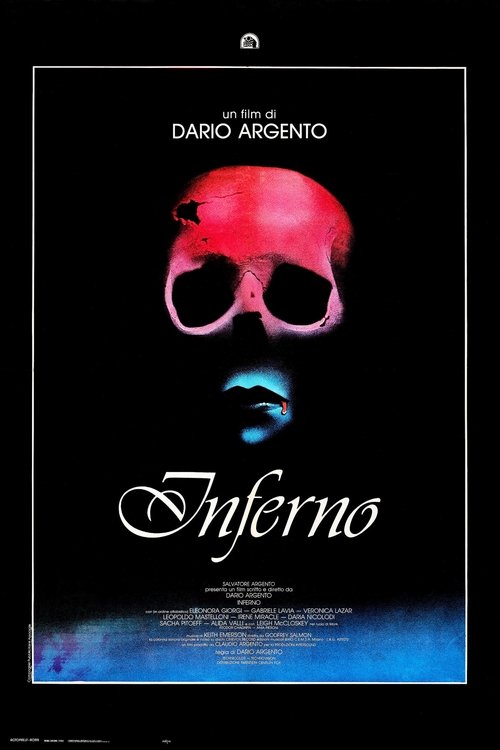
A distanza di 27 anni dall’ultimo capitolo Dario Argento decide di concludere la trilogia sulle tre Madri, potentissime streghe celebrate nel capolavoro “Suspiria” (1977) e nel suo sequel “Inferno” (1980). “La Terza Madre” è un film molto atteso dai fan del maestro dell’horror all’italiana e nelle premesse avrebbe dovuto rilanciare l’immagine del regista romano dopo il flop del “Cartaio” e la non esaltate parentesi televisiva di “Ti piace Hitchcock?”.
Nelle premesse, sia ben chiaro! Perché nella pratica “La Terza Madre” è ben lontano dai gioielli che Argento ci ha regalato tra gli anni ’70 e ’80.
Presentato in anteprima mondiale alla Festa del Cinema di Roma nella sezione “première”, “La Terza Madre” ha il pregio di portare a compimento l’amata saga sulle tre sorelle streghe formando un ideale corpus con i due precedenti film. Infatti, anche se questo terzo capitolo può essere fruito in modo del tutto indipendente dai predecessori, fa riferimento in modo intelligente ai fatti accaduti nel ’77 e nell’80, accennando a Suzy Bannion, artefice della morte di Mater Suspirorum, e all’architetto Varelli, nonché riportando in scena il famoso testo “Le tre Madri”. Anche due “leggendari” attori della saga tornano in questo terzo capitolo, precisamente Udo Kier, nei panni di Padre Johannes, e Daria Nicolodi, in un cammeo nel quale interpreta la madre della protagonista.
Il film si avvale di un ritmo decisamente frenetico, 1 ora e 40 minuti di inseguimenti, massacri, follia e satanismo, che rendono la fruizione dell’opera veloce e divertente, anche se non si può fare a meno di notare una certa superficialità che aleggia preoccupantemente sull’intera vicenda. Plot articolati e raffinatezze di sceneggiatura non sono mai state il punto forte di questa saga, ma in “La Terza Madre” molte tematiche e molti eventi vengono trattati con frettolosità, dando così un parziale senso di incompletezza. Se può apparire assolutamente ottima l’introduzione, con un efferatissimo omicidio di cui sono protagonisti un babbuino, tre statue viventi e le budella di Coralina Cataldi-Tassoni (“Demoni 2”, “Il fantasma dell’Opera”), alcune cadute di tono disseminate lungo il film appaiono decisamente inappropriate (la momentanea invisibilità de Sarah, per esempio).
Altre trovate, poi, sono semplicemente imbarazzanti e sterili, come l’idea di donare dei poteri soprannaturali alla protagonista e farla interagire con il fantasma della madre, scelta quest’ultima che appare guidata dal semplice obbligo morale di far tornare in scena Daria Nicolodi (“Profondo Rosso”, “Inferno”), ma genera momenti di involontaria comicità piuttosto che di phatos.
L’idea di far piombare Roma nel caos e nella violenza è sicuramente vincente, così da donare all’intero film quel tocco di apocalittica drammaticità che mancava nei più intimi capitoli precedenti. Il tasso di violenza presente in “La Terza Madre” raggiunge picchi altissimi, costituendo probabilmente l’apice delle efferatezze esplicite mostrate nel cinema di Argento e rappresentando il motivo di maggior interesse per gli appassionati di splatter.
Ma veniamo all’aspetto tecnico-artistico. La regia, purtroppo, segue il trend degli ultimi lavori di Argento e non presenta nessuna di quelle follie che hanno reso famoso il regista. Anche la fotografia, stupenda nei due capitoli precedenti della saga e qui curata da Federic Fasano, in questo film è normalizzata e perde molto del fascino barocco e surreale che ormai contraddistingueva la saga delle Madri. La colonna sonora di Simonetti è diligente ma non incisiva, mentre appaiono ottimi gli effetti di make-up curati da Sergio Stivaletti.
Il cast si avvale di ottimi caratteristi del cinema italiano e internazionale e, in generale, dà una buona prova, a cominciare da Asia Argento, nel ruolo di Sarah Mandy, che appare decisamente più contenuta del solito e rende adeguatamente il senso di spaesamento proprio del suo personaggio. Mater Lacrimarum è interpretata dalla modella israeliana Moran Attias, donna stupenda e decisamente efficace nel ruolo della Terza crudelissima Madre, capace di suscitare un misto di inquietudine e fascino.
In conclusione, ci troviamo di fronte ad un’opera gradevole e divertente, nettamente superiore agli ultimi lungometraggi di Dario Argento, ma incapace di tornare ai fasti di un tempo. Un film discreto, dai molti difetti e dal quale si doveva pretendere il massimo…ma purtroppo ci si è assestati sullo standard delle produzioni medie che hanno contraddistinto la fine degli anni ’80 e alcune opere degli anni ’90 della produzione argentiana.
Commenti
Commenti (0)



Commenti