










El Veredicto
El Reverendo Cotton Marcus pertenece a una familia de ministros de culto durante cuatro generaciones. Educado en el oficio desde los cuatro años, Cotton ha practicado 47 exorcismos sin creer en absoluto que sus "pacientes" estuvieran realmente poseídos por demonios.
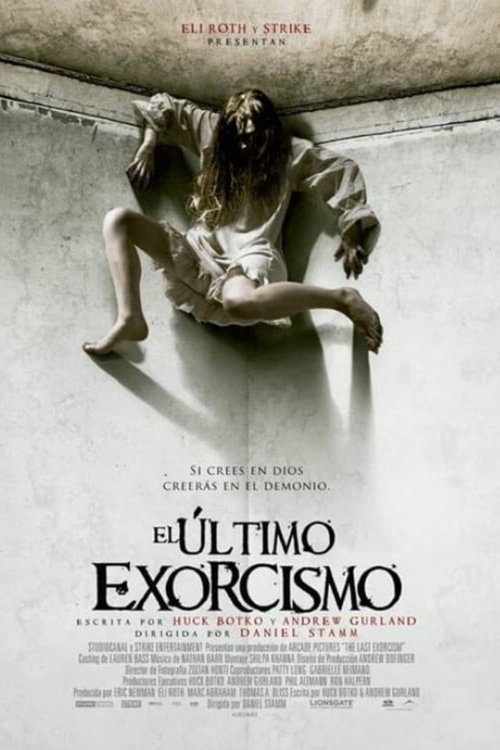
El Reverendo Cotton Marcus pertenece a una familia de ministros de culto durante cuatro generaciones. Educado en el oficio desde los cuatro años, Cotton ha practicado 47 exorcismos sin creer en absoluto que sus "pacientes" estuvieran realmente poseídos por demonios. Ahora, el Reverendo tiene la intención de retirarse de esta actividad y para hacerlo decide practicar un último exorcismo frente a las cámaras, con el fin de revelar sus trucos y denunciar los peligros que se esconden detrás de los falsos casos de posesión demoníaca. Para su último exorcismo, Cotton se dirige a Ivanwood, en Luisiana, donde la adolescente Nell parece estar poseída por el demonio.
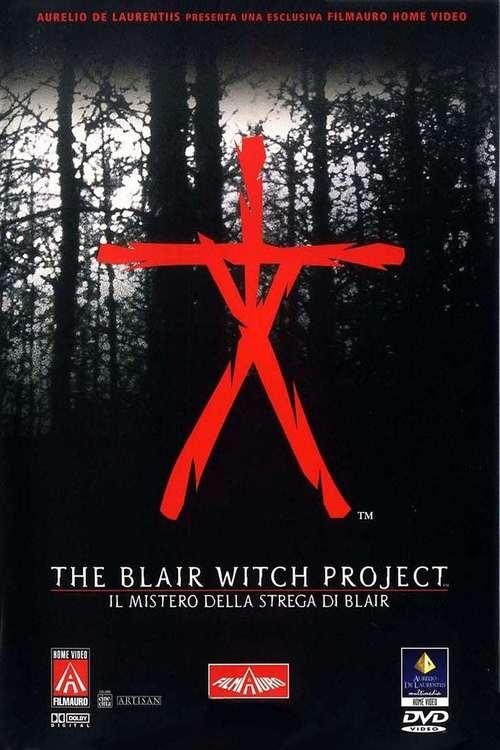
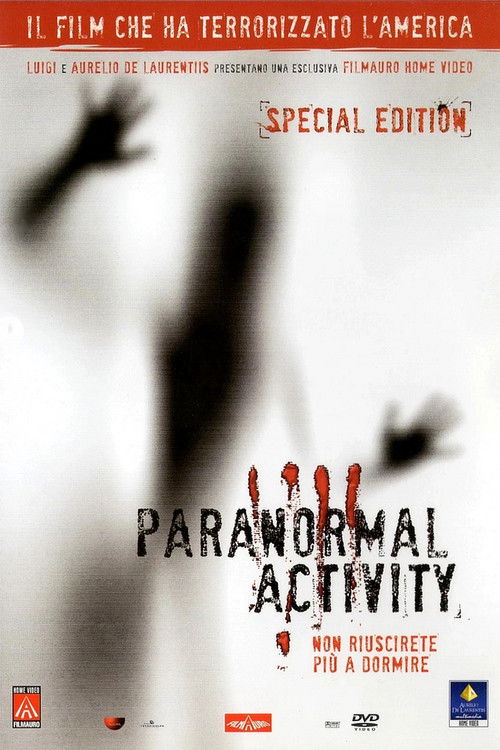
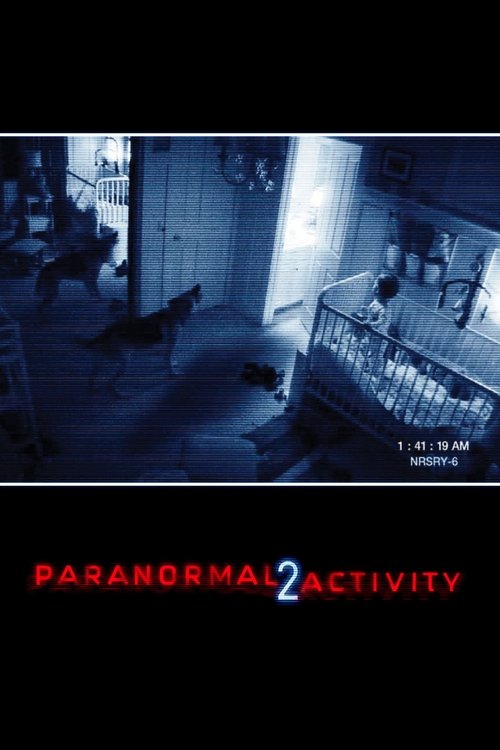
El mockumentary nace como un lenguaje expresivo, un expediente original para hacer realistas, a través de la simulación del documental, historias que generalmente no lo son. "Cannibal Holocaust" sienta las bases sin tener un verdadero seguimiento, "El camarógrafo y el asesino" utiliza esta forma expresiva como experimentación y "The Blair Witch Project" lanza la moda donando el mockumentary al éxito y a la comercialidad. Hoy, el mockumentary más que un lenguaje parece haberse convertido en un género en sí mismo, incluso en una corriente, ya que se practica con gran frecuencia dentro del género de terror. El mockumentary conviene: los costos de producción son muy bajos y el retorno está asegurado, transformándose a menudo en fenómeno (ver "The Blair Witch Project" y "Paranormal Activity"). Sin embargo, el exceso de oferta mata la oferta y cuando la demanda no siempre responde de manera positiva. En el caso de "El último exorcismo", sin embargo, no es una cuestión de éxito en taquilla, ya que la película ha recaudado bien, sino del favor del público que parece haberse cansado de la ex-novedad mockumentary respondiendo con indignación al último exponente de la corriente.
Quizás sea culpa de la campaña promocional decididamente engañosa que promete una versión contemporánea de "El exorcista" cuando luego la película de Daniel Stamm ("A Necessary Death") tiene poco o nada que ver con la película de Friedkin. "El último exorcismo" habla esencialmente de bigotería religiosa y de superstición y de las peligrosas consecuencias a las que todo esto puede llevar, habla de realidad y no de lo fantástico/paranormal, pero permanece hasta el final anclado a una doble interpretación de los hechos que da a la película una fascinante ambigüedad de lectura. ¿Nell está realmente poseída? ¿O es víctima de una educación fundamentalista que ha minado su capacidad de relacionarse con la realidad? El guión de Huck Botko y Andrew Gurland aborda este tema y juega hábilmente con él llevando la historia hacia "El exorcismo de Emily Rose" o, aún más, hacia la de su epígono alemán "Requiem". Olvídense entonces de cabezas que giran 360° y géiseres de vómito verdoso, aquí las camas que bailan y los gritos ultraterrenos son solo los trucos del oficio del reverendo estafador. Sin embargo, "El último exorcismo" no carece de momentos de tensión muy alta que aprovechan bien la inquietud que solo los mockumentary son capaces de transmitir. La primera noche que Cotton y su equipo pasan solos en la casa con la presunta poseída tiene algunas ideas de piel de gallina asegurada y el extraño anti-clímax final logra dejar positivamente impresionados.
Funcionan bastante bien todos los intérpretes, desde Patrick Fabian ("Partnerperfect.com") en el papel del reverendo Marcus, un personaje muy diferente del estereotipo del hombre religioso que ha perdido la fe, hasta Ashley Bell que nos ofrece una poseída muy creíble. También está bien y es intenso Louis Herthum, que interpreta al padre de Nell.
Es una característica que le resta puntos a "El último exorcismo", un error imperdonable (¡no sabría cómo llamarlo de otra manera!) que le quita credibilidad como mockumentary: la película presenta efectos y banda sonora, un montaje totalmente cinematográfico (¡con puentes exteriores!) y subtítulos en superposición, todo absolutamente no justificado y no justificable a los ojos de una historia que no puede contener tales "acabados", pena la falta de credibilidad del producto final. Incluso el estilo sucio y torpe de las tomas, hechas de zoom repentinos, desenfoques y temblores no parece creíble, ya que las tomas deberían ser realizadas por un camarógrafo profesional y no por un aficionado. Como para recordar a toda costa la torpeza amateur de "The Blair Witch Project" incluso donde no sería necesario.
"El último exorcismo" resulta, por lo tanto, un producto válido y casi original en el género en el que se insiere, entendido tanto como mockumentary como película de exorcismo. Algunas precauciones adicionales para hacerlo más creíble como mockumentary le habrían dado, sin embargo, una mayor profundidad, pero la película sigue siendo agradable y, a veces, inquietante.
Comentarios
Comentarios (0)



Comentarios