





El Veredicto
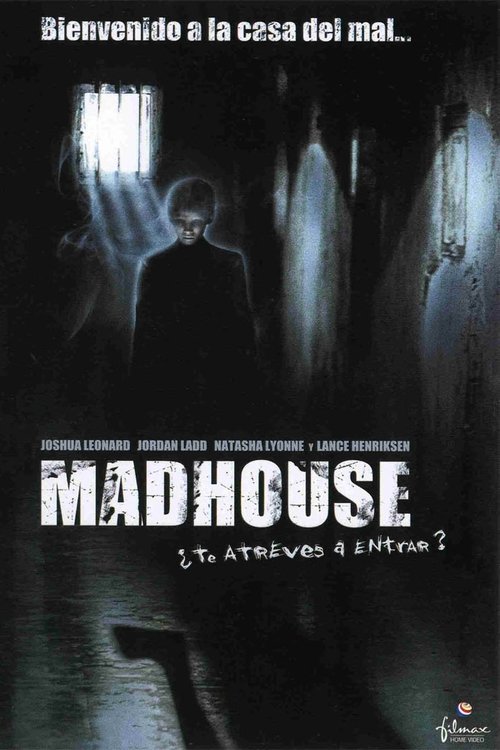
El joven Clark Stevens es contratado como pasante en el instituto de salud mental Cunningham Hall. Su curiosidad lo lleva a conocer extraños eventos que han ocurrido en el instituto; este descubrimiento y las extrañas y perturbadoras visiones que lo atormentan lo llevarán a investigar la atormentada historia del lugar, ayudado por una joven voluntaria, Sara.
El joven Clark Stevens es contratado como pasante en el instituto de salud mental Cunningham Hall. Su curiosidad lo lleva a conocer extraños eventos que han ocurrido en el instituto; este descubrimiento y las extrañas y perturbadoras visiones que lo atormentan lo llevarán a investigar la atormentada historia del lugar, ayudado por una joven voluntaria, Sara. ¿Por qué la terapia utilizada por el director Franks no tiene efectos curativos en los pacientes? ¿Quién es el niño que deambula de noche por los pasillos del hospital? ¿Quién es realmente el paciente de la celda 44? Las preguntas se multiplican, al igual que los asesinatos que deciman al personal médico. La verdad se descubrirá escondida en los meandros del sótano, entre pacientes enterrados vivos, donde la locura reina soberana y la realidad es pura ilusión. La ambientación de "Madhouse" es francamente vista y revisada, pero mantiene intacto todo su encanto a pesar de que el cine haya hecho amplio uso de ella y, a veces, abuso. Aquí nos encontramos ante una película que tiene en el thriller su ubicación ideal, pero que por algunas sugerencias visuales, contenidos gore y referencias literarias sufre una fuerte influencia de terror. El director William Butler parece tener un trasfondo cinematográfico de todo respeto, y no hablamos de trabajos anteriores, sino de un bagaje personal rico en clásicos del género de terror que en esta película homenajea de manera palpable y, quizá, excesiva en algunos casos. Hay que recordar que el límite entre cita y plagio es lábil, pero Butler mantiene un equilibrio envidiable regalándonos escenas que para los cinéfilos apasionados se convierten en una verdadera caza de títulos. Solo para mencionar algunos: "Halloween", "Nightmare", "Shining", "Opera"... y podríamos continuar mucho más. Estas películas asoman sin por ello nunca desnaturalizar la trama que permanece bien delineada. La sugestiva fotografía transmite de manera excelente la sensación surrealista de desfase en la que se encuentra el joven Clark, catapultado en un ambiente donde la locura y la realidad se entrecruzan y pacientes y médicos confunden roles y personalidades. La fase puramente investigativa nos permite recoger fragmentos de verdad nunca totalmente reveladores, pero que poco a poco nos acompañan hasta la incómoda y nada tranquilizadora verdad. Pero ¿no es esto lo que nosotros, los espectadores, buscamos en películas de este género? El reparto es un escalón por encima respecto a estas producciones que disfrutan de un presupuesto medio-bajo, el protagonista, Clark, está interpretado por Joshua Leonard ("The Blair Witch Project") mientras que la joven Jordan Ladd ("Cabin Fever") interpreta a la frágil y enigmática Sara. Una mención especial va para dos actores en particular, Dendrie Taylor que dibuja a la terrible y despótica enfermera Hendricks (otra cita, esta vez homenaje a la jefa de enfermeras Ratched de la hermosa "Alguien voló sobre el nido del cuco" de Milos Forman) y el siempre apreciable Lance Henriksen en el papel del director Franks, este último se ha convertido, junto con actores como Brad Dourif y Jeffrey Combs, en una presencia estable del panorama del cine fantástico. Entre los huéspedes del Cunningham Hall no deben olvidarse los freaks que habitan el sótano del instituto, una especie de girone infernal donde viven presa de una locura que no les da tregua, trastornados y desesperados por mentes irreparablemente quebradas por una locura irreparable. ¿Cómo no apreciar la visión sugestiva que el escenógrafo y el director de fotografía crean para nuestro uso y consumo, transportándonos a un ambiente subterráneo oscuro y deteriorado que, por un lado, nos perturba y, por otro, nos fascina. Haciendo un balance, estamos ante un excelente trabajo, sólido, que quizá en el final se pierde un poco deshilachando una trama hasta entonces intrigante, pero es solo un pecado venial. "Madhouse" es una película para ver, para apreciar una vez más obras que quizá, si no se redescubren en DVD, se perderían, y todo eso sería realmente una pena.
Comentarios
Comentarios (0)

Comentarios