
Il Verdetto
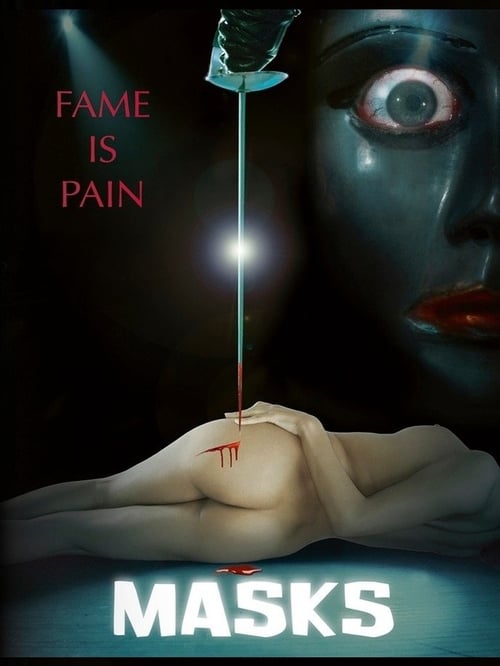
L'attrice Stella, dopo essere stata rifiutata in molte accademie d’arte drammatica, viene accettata nella Scuola Matteusz Gdula di Berlino. Fondata nei primi anni '70, la Scuola Gdula si è guadagnata nel tempo una fama particolare a causa dell'eccentrico e discusso metodo di recitazione del fondatore, che prevede una totale immedesimazione nella parte interpretata.
L'attrice Stella, dopo essere stata rifiutata in molte accademie d’arte drammatica, viene accettata nella Scuola Matteusz Gdula di Berlino. Fondata nei primi anni '70, la Scuola Gdula si è guadagnata nel tempo una fama particolare a causa dell'eccentrico e discusso metodo di recitazione del fondatore, che prevede una totale immedesimazione nella parte interpretata. Dopo una serie di inspiegabili suicidi che coinvolsero proprio gli studenti di Gdula, il “metodo” fu bandito e da allora è diventato una sorta di leggenda, finché Stella constata che nella scuola in cui è stata accettata si insegna ancora. La ragazza però non si trova a suo agio, soprattutto per la reticenza dei suoi compagni di corso. Solo Cecile sembra avvicinarla con amicizia, ma quando la ragazza scompare misteriosamente, Stella decide di cercarla, convinta che la sua amica sia nascosta in un luogo segreto della scuola... magari dietro quella porta che conduce all'ala dismessa dell'edificio.
Cos’è l’attore? Una persona al servizio delle storie e dei personaggi che deve interpretare, un “camaleonte” in grado di cambiar colore nel momento in cui gli viene chiesto di diventare altro, un simulacro pronto a contenere tante diverse personalità. L’attore deve essere pronto ad immolarsi per l’arte, per la recitazione, alla quale deve essere disposto a dedicare tutto se stesso, a donare il suo sangue. Partendo
letteralmente da questi presupposti, il tedesco Andreas Marschall scrive e dirige “Masks”, una intelligente e complessa lettura del ruolo dell’attore al teatro (e al cinema).
Se l’attore è colui che dedica anima e corpo alla recitazione, deve essere disposto alla spersonalizzazione, alla cessione della propria identità e della propria integrità – fisica e psicologica – alla ragione dell’arte, deve indossare continuamente maschere, appunto, e vivere altre vite. È per questo che il “metodo” Gdula, di cui si mitizza in “Masks”, venne bandito, proprio perché incredibilmente funzionava e l’immedesimazione totale degli attori nei propri personaggi aveva conseguenze terribili sulla loro psiche e sui loro corpi, fino ad atti estremi come il suicidio e la totale immolazione alla “causa”. Ovviamente il fittizio metodo Gdula per risultare così efficace era “aiutato” da droghe, allucinogeni e sostanze psicotrope in particolare, ma eravamo
nei primi anni ’70 e la controcultura del periodo favoriva certe tendenze. Ma in che modo e con quali effetti questo particolare metodo di recitazione sopravvive ai giorni nostri?
Questa è una delle tante domande che Marschall pone allo spettatore per portare avanti la sua tesi meta-artistica, che non è solo “metodo”, ma anche anima, perché “Masks” non è solamente nutrimento per il cervello ma anche per il cuore.
Andreas Marschall, che nel 2004 aveva diretto il bell’horror a episodi “Lacrime di Kalì”, è un fervente appassionato di cinema italiano di genere, soprattutto quello degli anni ’70. Allora ce lo dimostrò con una serie di sottili citazioni a Fulci, Argento e Bava, oggi con “Masks” ce lo conferma portando in scena un atto d’amore al thriller all’italiana di quel periodo e a Dario Argento in particolare. Il prologo serve immediatamente a contestualizzare un’epoca che sarà di utile riferimento, ambientato proprio nei primi anni ’70 e intento a mostrarci i drammatici effetti del “metodo” su alcuni studenti, con sapiente utilizzo della fotografia che riproduce alla perfezione i colori caldi e l’immagine pastosa dei
film dell’epoca. Poi è un continuo riferimento al thriller all’italiana con una più che evidente strizzata d’occhio a “Suspiria” di Dario Argento, data da soluzioni visive e scelte narrative (l’incontro fugace con la studentessa che fugge dalla scuola, il duplice omicidio iniziale, i misteri della scuola, la rivalità tra studenti e tanto altro).
Marschall è riuscito a carpire meglio di chiunque altro prima di lui (giusto il francese “Amér” potrebbe dargli filo da torcere a riguardo) la vera essenza di quel cinema, le atmosfere, le bellissime musiche (composte da Sebastian Levermann tenendo alla mente Stelvio Cipriani), i colori e la coreografia dei delitti, tutti impressionanti e incredibilmente cruenti e in almeno un paio di casi ispirati probabilmente a “Murderock – Uccide a passo di danza” di Fulci. “Masks” però è molto di più che un contenitore di citazioni e un affettuoso omaggio a un cinema che piace, è un film realmente complesso e per nulla banale, capace di una riflessione profonda e se vogliamo sarcastica e critica sullo stato dell’arte e su cosa sia
metaforicamente utile fare per raggiungerlo.
Una lode è doverosa anche per il cast del film, composto quasi esclusivamente da giovani attori di teatro reclutati dal regista per rendere il più realistico possibile il loro ruolo, e in particolare per l’esordiente Susen Ermich che interpreta la protagonista Stella, bella e brava, capace di rendere estremamente credibile un personaggio realmente difficile e in alcuni casi estremo.
Marschall dà vita con “Masks” a un vero gioiello del cinema di genere, un film di cui si sentiva il bisogno in un periodo di continua rivalutazione del vintage, un’opera che vive senza e soprattutto fuori dalla sua dimensione cinefila.
Da recuperare assolutamente!
Commenti
Commenti (0)


Commenti