










Il Verdetto
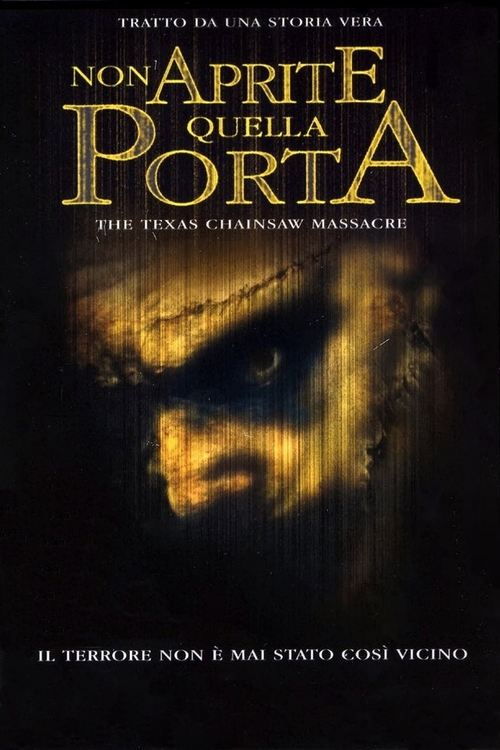
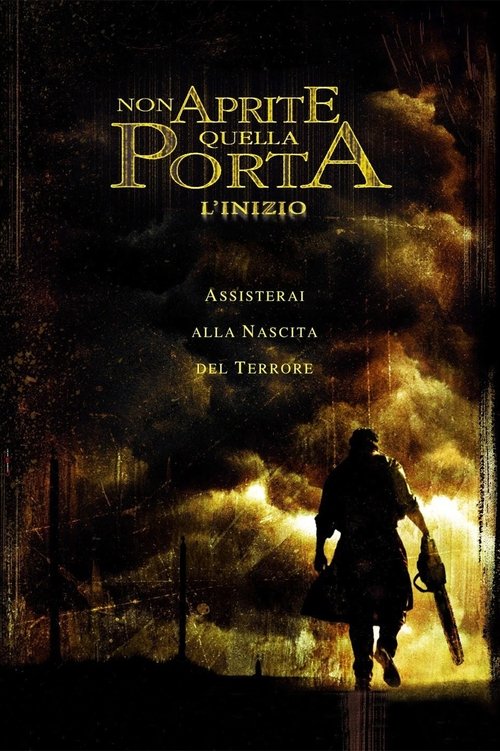
Agosto 1973. Cinque ragazzi, in viaggio di ritorno dal Messico, danno un passaggio ad una strana autostoppista che trovano vagabondare per la strada, ma la ragazza, dopo aver pronunciato parole senza un’apparente senso, si toglie la vita.
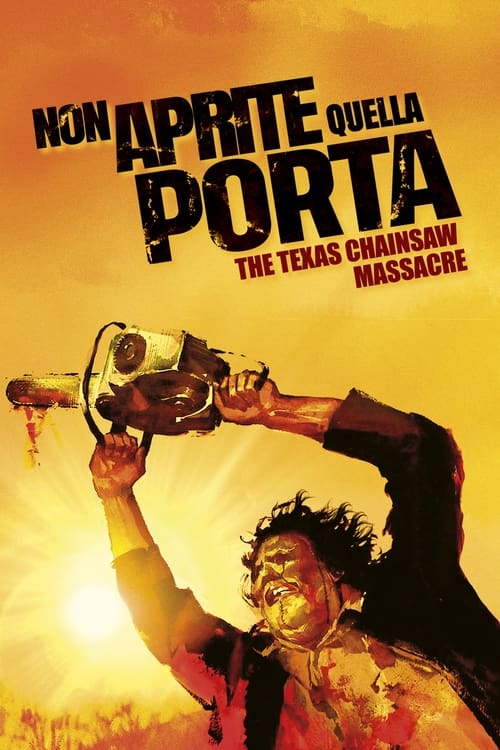
Agosto 1973. Cinque ragazzi, in viaggio di ritorno dal Messico, danno un passaggio ad una strana autostoppista che trovano vagabondare per la strada, ma la ragazza, dopo aver pronunciato parole senza un’apparente senso, si toglie la vita. I cinque, in preda al panico, si recano presso la più vicina stazione di sevizio, dove avvertono telefonicamente lo sceriffo dell’accaduto. Da quel momento i ragazzi, rifugiatisi nei pressi di un vecchio mulino, cominceranno a cadere sotto i colpi di un brutale tizio mascherato, armato di motosega, e della sua letale famiglia.
Probabilmente siamo di fronte al più riuscito esempio di revival cinematografico degli ultimi anni, oltre che al più meritevole degli eredi del capolavoro di Tobe Hooper. Va subito chiarita una cosa: questo nuovo “Non aprite quella porta” è stato lanciato come remake del film del 1974, ma visionando la pellicola si può constatare che non si tratta di un vero e proprio caso di remake ma, come è accaduto per il terzo e quarto episodio della saga, di una variazione sul tema. Infatti su grandi linee ci troviamo nei territori del leggendario massacro con la motosega, per giunta, a differenza dei capitoli precedenti, questo nuovo film si ambienta nello stesso anno del primo film, ma sono troppe le variazioni per poterlo proclamare a pieno titolo un remake. (Lo stesso regista ha affermato: “Se esiste già un film chiamato “Non aprite quella porta” ed è perfetto, non puoi rifarlo uguale, non avrebbe senso!”.)
A questo film vanno riconosciuti sicuramente due meriti: da una parte un approfondimento del personaggio di Leatherface, ormai entrato nell’immaginario degli psycho-killer, simbolo dell’horror post moderno, dall’altro una particolare cura estetica e una strizzata d’occhio a tutti i patiti del gore.
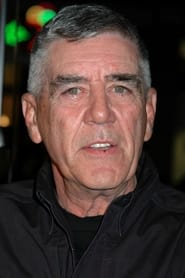
Cominciamo con il buon vecchio Faccia di cuoio: in questo film, per la prima volta gli viene dato un vero nome, Thomas Hewitt, e un volto al di sotto della maschera, corroso da una serie di tumori che gli hanno divorato la pelle fin da bambino ( da qui il motivo per cui desidera la faccia degli altri, di chi ne ha una integra ). Inoltre in questo film Leatherface torna ad essere il membro più importante della famiglia ed a lui sono affidate tutte le sequenze di terrore e di violenza ( con qualche concessione all’altrettanto spietato personaggio di R. Lee Ermey ): è lui il vero mostro del film mentre gli altri componenti della famiglia sono come un suo alter ego, un frammento diverso della sua personalità.
Sotto il punto di vista estetico il film riesce a creare una notevole commistione tra due caratteri opposti: all’eleganza della fotografia (curata da Daniel Pearl, direttore della fotografia anche nel film del ’74 ), che immerge lo spettatore nel assolato paesaggio del Texas (avvolto però da toni scuri e opachi), si contrappongono una serie di situazioni raccapriccianti, morbose e disturbanti, che vanno ben oltre il limite degli horror a cui eravamo abituati negli ultimi anni, e che ci riportano ai momenti più malati del film prototipo del ’74. Insomma, da una parte la bellezza e la ricercatezza estetica, dall’altra l’orrore più brutale e animalesco.
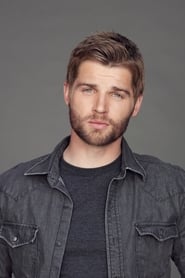
Il regista Marcus Niespel, che precedentemente aveva lavorato nel campo pubblicitario e dei video musicali, è alla sua prima esperienza cinematografica, mentre gli attori sono quasi tutti veterani da telefilm americani di successo, dalla bella protagonista Jessica Biel ( “Settimo Cielo” ) a Eric Balfour ( “Six feet under” ), ma tra il cast figurano anche Erica Leerhsden, gia vista nel sequel di “The Blair witch project”, e R. Lee Ermey, divenuto famoso per la sua interpretazione in “Full metal jacket”, nel ruolo del perfido sceriffo.
Curiosità: Il film è introdotto da una voce narrante che appartiene dell’attore John Larroquette, lo stesso che prestò la voce per l’introduzione del film di Tobe Hooper.
“Non aprite quella porta” inizialmente doveva essere diretto da Micheal Bay ( “Armageddon”, “Pearl Harbor” ) il quale figura invece come produttore insieme al regista del primo film di Tobe Hooper.
Segnaliamo un errore: Tra le sequenze iniziali del film ce n’è una in cui i ragazzi ascoltano alla radio la canzone “Sweet home Alabama”, ma il film è ambientato nel 1973 mentre la canzone è del 1974 !
Commenti
Commenti (0)

Commenti