


The Verdict
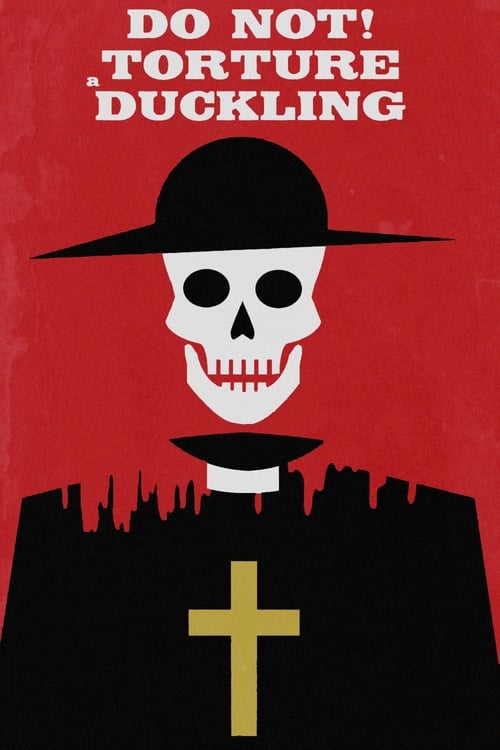
A Milanese journalist on vacation in Sicily gets involved with a beautiful local girl in a series of atrocious murders that have unfortunate child victims. The furious townspeople want to find a culprit at all costs...
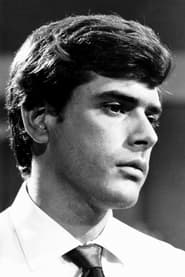
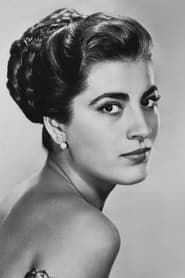
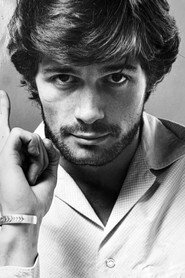
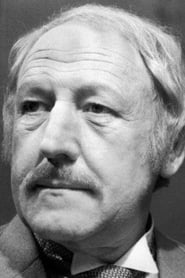
A Milanese journalist on vacation in Sicily gets involved with a beautiful local girl in a series of atrocious murders that have unfortunate child victims. The furious townspeople want to find a culprit at all costs... Probably the best thriller by the "poet of the macabre" Lucio Fulci. A film unjustly undervalued for years and little considered at its release, even harshly contested by the usual fanatical Catholics, for the barely veiled pedophilic and homosexual tendencies of the culprit. The buzz of controversy it sparked led to inevitable censorship cuts, especially in three sequences: the one where Barbara Bouchet, completely naked, tries to provoke a child; the scene of Bolkan's massacre by some furious villagers (including Fulci himself) and, finally, in the final sequences where we witness the bloody death of the killer. For the "morbid" - as it was described - scene of Bouchet naked in front of the child, Fulci used a stand-in: a dwarf who participated in all the sequences where the actress appeared without clothes. The stand-in was only filmed from behind, so it cut to the close-up of the child's face. For this sequence, Fulci was even charged and had to explain to the judge that he used these "tricks" to avoid the child participating in the nude scenes. "Non si Sevizia un Paperino" describes a typical reality of Southern Italy, that is, a community where archaic traditions such as superstition and iettatura still prevail and where there is a mixed atmosphere of the sacred and the profane. What fascinates the most is the unusual staging of images of a black and desperate romance. In this regard, it is enough to recall the sequence of Bolkan's murder, massacred while in the background "Quei giorni insieme a te" sung by Ornella Vanoni plays. Among the cast, in addition to the already mentioned Florinda Bolkan and Barbara Bouchet, there is a very young and unrecognizable Thomas Milian. Absolutely worth rediscovering, the film has been released again for sale, edited by LF in a splendid complete and remastered version that you absolutely must have!
Comments
Comments (0)

















Comments