









El Veredicto
Ben y Jane, recién casados, se mudan a Tokio donde el hombre ha recibido una tentadora oferta de trabajo como fotógrafo de moda. Una noche, la pareja se ve involucrada en un accidente automovilístico en el que atropellan a una mujer que deambulaba por una carretera desierta, pero al despertar, Ben y Jane no encuentran rastro de la mujer.
Ben y Jane, recién casados, se mudan a Tokio donde el hombre ha recibido una tentadora oferta de trabajo como fotógrafo de moda. Una noche, la pareja se ve involucrada en un accidente automovilístico en el que atropellan a una mujer que deambulaba por una carretera desierta, pero al despertar, Ben y Jane no encuentran rastro de la mujer. En los días siguientes, Jane comienza a percibir inquietantes presencias que se revelan a través de las fotografías y Ben empieza a sufrir un molesto dolor en la base del cuello. Convencida de que todo está relacionado con el misterioso accidente, Jane comienza a investigar sobre la identidad de la mujer supuestamente atropellada.
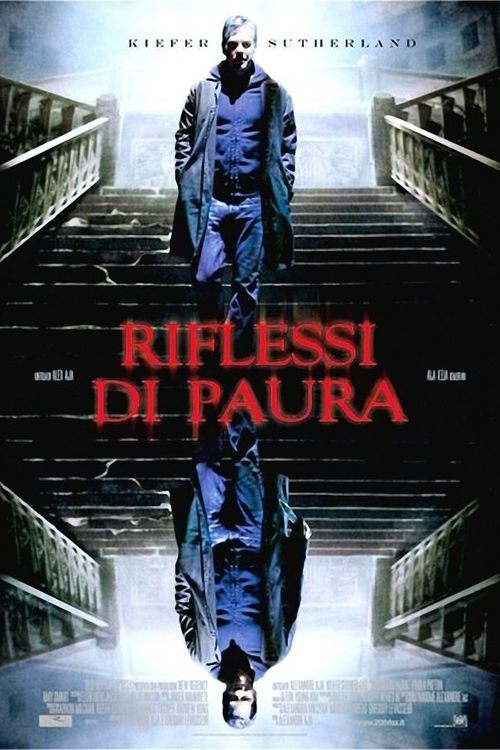
Señoras y señores, después de los remakes "The Eye" y "Chiamata senza risposta" y antes de "Riflessi di paura", la cinematografía italiana saluda un nuevo remake estadounidense de un reciente culto del cine de terror oriental: "Ombre dal passato".
La original se titula "Shutter", es una historia de fantasmas tailandesa dirigida en 2004 (pero llegada a Italia en el verano de 2006) por Banjong Pisanthanakun y Parkpoom Wongpoom, y representa un excelente ejemplo de película de terror basada en una tensión y un misterio muy bien logrados. Pero se sabe, cada buen éxito y cada buena idea ajena a menudo es fagocitada por la meca del cine americano y repropuesta por la máquina de Hollywood para adaptarse a la cultura occidental (o más bien norteamericana) y evitar los engorrosos y a menudo poco rentables procedimientos de distribución de la obra original. Pero como suele ocurrir, el remake no tiene ni un ápice del encanto de la obra original y con esta ulterior demostración llamada "Ombre dal passato" se confirma que "The Ring" fue una rarísima excepción en un mar de mediocridad inútil impresa en película.
Nosotros los europeos somos a menudo afortunados y tenemos la posibilidad de asistir tanto a la obra original como al remake, pero para el público americano muchas veces no es así y la película de origen, aunque a veces disponible en tiendas especializadas con subtítulos en inglés, nada en una perfecta invisibilidad distributiva que hace que el remake sea la única versión conocida por el público. Y en casos como este "Ombre dal passato" es una verdadera lástima porque se termina perdiendo un film de miedo muy logrado a favor de una historia de fantasmas desvaída y apresurada que se olvida demasiado pronto.
La versión estadounidense de "Shutter" podría ser tranquilamente rebautizada como "Sciatter", justo como se pronuncia, pero no refiriéndose naturalmente al obturador de la cámara fotográfica omnipresente en la película, sino para subrayar la debilidad del largometraje en cuestión y la evidente desgana con la que ha sido terminado. En práctica "Ombre dal passato" es la sombra (justamente) del "Shutter" tailandés, es como un blow-up, un aumento de tamaño, del original en el que se pierde definición y claridad general de la obra. La historia, reelaborada por el guionista Luke Dawson ("New York Stories"), es grosso modo similar a la del film de inspiración, pero avanza con el acelerador, eliminando cualquier indicio de caracterización psicológica y casi todas las escenas más propiamente de terror de las que el film de Pisanthanakun y Wongpoom estaba lleno. Pero el problema es que "Ombre dal passato" resulta de todos modos una mala película independientemente del film logrado del que toma inspiración.
La estructura base es la misma de cualquier otra película perteneciente al género de la historia de fantasmas, sobre todo de corte asiático (maldición de un fantasma rencoroso revelada-medida por un elemento tecnológico, investigación, descubrimiento de la presunta verdad, purificación del alma del difunto mediante el descubrimiento de su cadáver oculto, giro final), aquí preocupantemente similar a la utilizada por Robert Zemeckis para "Le verità nascoste". Esta conocida y predecible estructura soporta una película lenta y sin ritmo, completamente carente de cualquier tensión, incapaz de crear sustos ni siquiera con el abusado juego de la alternancia de planos sonoros. Las escenas de terror-horror han sido completamente evitadas y las raras apariciones del fantasma (todas relegadas a los últimos minutos de la película) se desarrollan y resuelven como si nada estuviera ocurriendo.
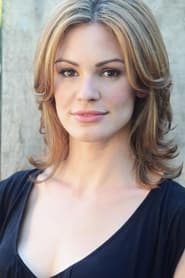
A esto se añade una completa apatía de los dos actores protagonistas, perjudicados por un guión que no les concede la mínima caracterización y obligados a pronunciar diálogos aburridos y banales. Luego, si Rachel Taylor ("Il collezionista di occhi"; "Transformers") es al menos físicamente adecuada para el papel de la esposa
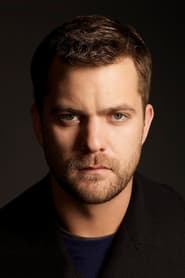
turbada por fantasmas japoneses, el rostro permanentemente infantil y perezoso de Joshua Jackson ("The Skulls"; "Cursed – Il maleficio") no lo hace mínimamente creíble en el papel del fotógrafo playboy ambicioso.
Por su parte, el director de importación nipónica Masayuki Ochiai, ya autor del inquietante y críptico "Infection", no añade la mínima personalidad al proyecto, produciendo el clásico filmito por encargo que esta vez no está respaldado ni siquiera por un particular cuidado de la fotografía o de las escenografías.
El único consejo que se puede dar es ignorar este aburrido thriller con tintes sobrenaturales y quizás recuperar (para quienes no lo hayan visto ya) el original "Shutter", que ofrece una historia articulada de manera más convincente y una serie de bellas escenas llenas de tensión.
Comentarios
Comentarios (0)






Comentarios