
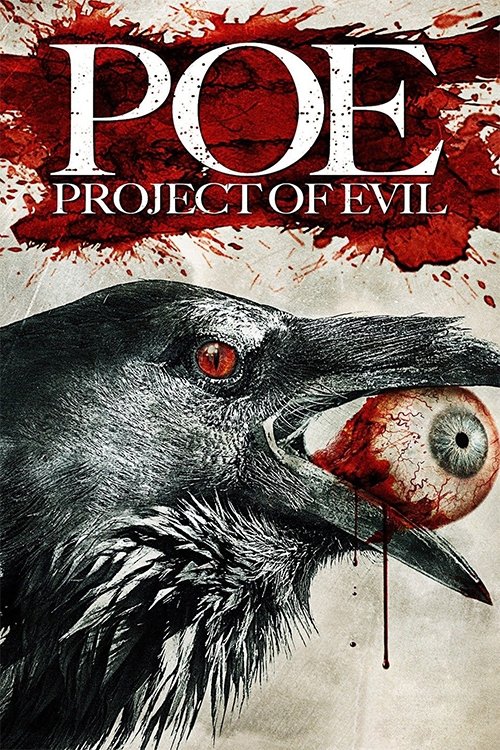


Sette cortometraggi diretti da otto differenti registi si prefiggono di tradurre molto liberamente per immagini altrettante opere di Edgar Allan Poe. I testi presi in considerazione sono in ordine: Il pozzo e il pendolo, Solo, Perdita di fiato, I delitti di via Morgue, Il cuore rivelatore, Il sistema del dr. Catrame e del prof. Piuma, La sepoltura prematura.
Dopo il riuscito “P.O.E. – Poetry of Eerie”, parte del team realizzativo si riunisce per dare un seguito all’esperimento del 2011 che si proponeva di formare un collettivo di registi italiani indipendenti per dar corpo alle opere del mai dimenticato Edgar Allan Poe. Nasce così, già l’anno successivo, “P.O.E. – Project of Evil” prefissandosi un intento differente dal predecessore: lì dove il precedente film voleva dare spazio alla dimensione poetica e macabra dell’autore di Boston, questo sequel deve invece far emergere una vena sanguinosa e violenta, più ancorata all’immaginario horror. Ma non è tutto, perché seppur decisamente riuscito nel suo complesso, il primo “P.O.E.” aveva comunque dei difetti piuttosto macroscopici, dati da una a volte consistente discrepanza qualitativa tra episodio ed episodio e da una eccessiva lunghezza generale che rendeva la visione a tratti pesante. Invece “Project of Evil”, supervisionato da Angelo e Giuseppe Capasso per la
loro APC Production, riesce a correggere il tiro, gli episodi sono qualitativamente più coesi e di numero inferiore, arrivando a toccare i canonici 90 minuti complessivi di durata.
Ma veniamo agli episodi che compongono il film.
Ad aprire il “P.O.E. – Project of Evil” c’è “The Pit and the Pendulum”, diretto da Donatello Della Pepa, già autore dei riusciti corti “Moebius – Chi bussa alla mia porta?” e “Versipellis”. Le distanze che vengono prese dall’opera di Poe sono considerevoli, dal momento che qui l’argomento viene affrontato in una originale chiave fantascietifico/esoterica: un uomo (Federico Giacinti) si risveglia in una stanza completamente bianca, non sa dov’è ne perché è lì. Nel pavimento si apre una voragine, un pozzo, mentre il rumore di un pendolo invisibile scandisce ossessivamente il tempo. Dopo un pò la voragine si allarga. L’uomo è la cavia di un esperimento! L’atmosfera è efficacemente straniante, l’interesse per ciò che vediamo sullo schermo è progressivamente alto e la creatura che compare sul finale è realizzata benissimo da Luigi D’Andrea. Peccato solamente che la fine del corto arrivi brusca e inaspettata lasciandoci quasi con un pugno di mosche, perché continuare a seguire la “cavia” sarebbe stato davvero interessante. Comunque un corto notevole.
Segue “Alone”, diretto da Angelo e Giuseppe Capasso, già presenti nel primo film con uno degli episodi migliori. Tratto da una poesia di Poe, il corto in questione stravolge l’opera d’origine per trasfigurare il concetto di solitudine in una dinamica da b-movie che sembra richiamare certi revenge movie anni ’80, coadiuvata da una consistente dose di torture porn. Vediamo un uomo (Angelo Campus) legato ad una sedia in un magazzino, torturato psicologicamente e fisicamente da un altro uomo (Dario Biancone), che vuole prendersi una rivalsa dai torti subiti in passato e dalla donna amata rubatagli dal rivale.
Forse qualche minuto in meno avrebbe giovato al corto, che pur viaggiando su livelli qualitativi piuttosto buoni, risulta un po’ troppo ridondante nel mettere in scena lo scontro verbale, a volte eccessivamente caricaturale, tra i due rivali. Davvero ottimi gli effetti speciali che portano a conseguenze ad alto tasso splatter, un po’ infelice la scelta di mettere a uno dei due attori in scena una parrucca.
Intento a stravolgere il racconto d’origine anche il terzo episodio, “Loss of Breath”, diretto da Edo Tagliavini, già presente in “Poetry of Eerie” e regista anche del lungometraggio “Bloodline”. Francesco (Francesco Malcom) è un attore hard un po’ in declino che sta tentando di farsi una seconda carriera nel mondo del cinema “normale”, ma ha problemi con il fisco e il boss mafioso Manero gli
sta alle calcagna per un’affermazione poco piacevole rilasciata sulla sua persona. Durante una performance hard, Francesco rimane senza fiato rischiando il soffocamento e da quel momento perde l’uso della parola; subito dopo, due scagnozzi di Manero si presentano a casa dell’attore per fargli rilasciare una dichiarazione che lo scagiona delle accuse fatte, in caso contrario sono pronti a torturarlo… ma Francesco non può parlare!
“Loss of Breath” è semplicemente uno degli episodi più riusciti del lotto, originale nella messa in scena e nel linguaggio sperimentale utilizzato, il corto di Tagliavini si serve di un grezzo bianco e nero (con alcuni sprazzi di colore) e del muto (supportato da cartelli come nel cinema anni ’20) per sottolineare lo stato di normalità di Francesco, che si tramuta in sonoro nel momento in cui il protagonista perde l’uso della parola. “Lost of Breath” gioca quindi con il cinema e con i suoi linguaggi espressivi, affidando il ruolo di protagonista a un vero ex divo dell’hard (il bravo Francesco Malcom) e mettendo in scena una serie di trovate violentissime, stemperate però da un tono costantemente grottesco e sopra le righe. Riuscitissimo.
Il quarto episodio è “Morgue Street” di Alberto Viavattene e propone un celebre racconto di Poe che ha per protagonista una scimmia assassina. Ecco, pensare alla scimmia assassina in un corto
indipendente potrebbe lasciare qualche dubbio, invece Viavattene ha firmato uno degli episodi migliori dell’antologia, insieme a quello di Tagliavini. Forse il più vicino all’opera di Poe tra quelli presentati, “Morgue Street” ci fa conoscere due prostitute che, dopo aver salutato un cliente, vengono aggredite da un gorilla “superdotato” fuggito dal circo. Per le due saranno momenti di terrore e agonia.
Viavattene confeziona un corto disturbante come pochi (può “vantarsi” di essere stato bandito dalla commissione censura australiana), attento allo shock visivo e tematico, mostrandoci un ambiente degradato, morbosità varie e tanta violenza, fino a raggiungere l’apice nel momento in cui la scimmia stupra una delle due donne, facendosi anche praticare sesso orale. Notevole la messa in scena che predilige una curatissima fotografia che si abbandona a colori accesi e irreali, ottima la svolta narrativa che da un senso alla presenza della scimmia e suggestivo il lungo piano fisso finale. Brave anche le due interpreti Desiré Giorgetti (già vista in “Morituris”) e la più matura Federica Tommasi, nota soprattutto per la sua carriera nell’hard. Unico punto dolente è il look della scimmia, appunto.
La nota negativa arriva con il quinto episodio, “The Tell Tell Heart”, diretto dal francese Nathan Nicholovitch che confeziona il corto più breve ma
anche il peggiore della raccolta. Il problema maggiore di “The Tell Tell Heart” è il fatto che ci appare completamente fuori contesto: non solo si tratta di un drammone su un senza tetto omosessuale che affronta un percorso di isolamento per diventare poi un trans (???), eludendo quindi all’ottica di genere dell’intero progetto, ma non ci prova neanche solo a sfiorare suggestioni e tematiche proprie dell’opera da cui prende impropriamente il titolo. Il risultato è noiosetto e poco decifrabile, anche se il protagonista David D’Ingeo offre un’interpretazione molto intensa e le location esotiche, quasi tutte in esterni, offrono un tocco di varietà nell’opera nel suo complesso.
Abbastanza debole il sesto frammento, “The System of Dr. Tarr and Prof. Fether”, diretto da Domiziano Cristopharo (anche lui nel primo “P.O.E.” e regista – tra gli altri – del lungo “House of Flesh Mannequins”) e tratto da uno dei racconti meno noti dello scrittore americano. Nel film lo stesso Poe è protagonista di una visita in un ospedale psichiatrico per documentare il fantomatico sistema di cura sperimentale del dottor Catrame e il professor Piuma. Con un elegantissimo bianco e nero, troppe chiacchiere e forse un’eccessiva lunghezza, giungiamo a un colpo di scena finale abbastanza palese fin dall’inizio. L’attore protagonista che da volto ad Edgar Allan Poe è il bravo Dario Biancone già comparso nell’episodio dei Capasso, il resto del cast non convince troppo. Visivamente e registicamente notevolissimo, ma nel suo complesso questo corto non convince.
A chiudere il film c’è “The Premature Burial” di Giuliano Giacomelli (“La progenie del Diavolo”;
“P.O.E. – Poetry of Eerie”), una variazione piuttosto originale del breve racconto di Poe da cui prende il titolo. Un uomo (Lucio Zannella) si ritrova chiuso in una bara. Dopo l’iniziale panico, farà di tutto per riuscire a scavarsi un passaggio, non sapendo però cosa lo aspetta fuori.
La situazione iniziale di “The Premature Burial” può ricordare il recente “Buried – Sepolto”, ma la tensione è costante e verso il finale il corto prende una svolta imprevista che richiama certo cinema italiano dei primi anni ’80, sia per la situazione mostrata che per il suggestivo tema musicale composto da Enrico Angelini. Breve ed efficace.
“P.O.E. – Project of Evil”, in definitiva, risulta un’opera riuscita e capace di migliorare alcuni difetti del suo predecessore, mostrando più compattezza e maggior rapporto numero episodi e qualità. Ovviamente c’è sempre quel sentore di “operazione di assemblaggio” che si respira un po’ in tutti i film odierni composti da più episodi, ma il risultato è altamente soddisfacente.
Vincitore del premio della critica al ToHorror 2012 e del primo premio nel panorama italiano lungometraggi al Fantafestival 2013.
Commentaires
Commentaires (0)

Commentaires