















The Verdict
Several years ago, Dr. Markus experimented with a new drug called the T-Virus to cure his daughter Alicia of a serious disease that causes premature aging of the body.
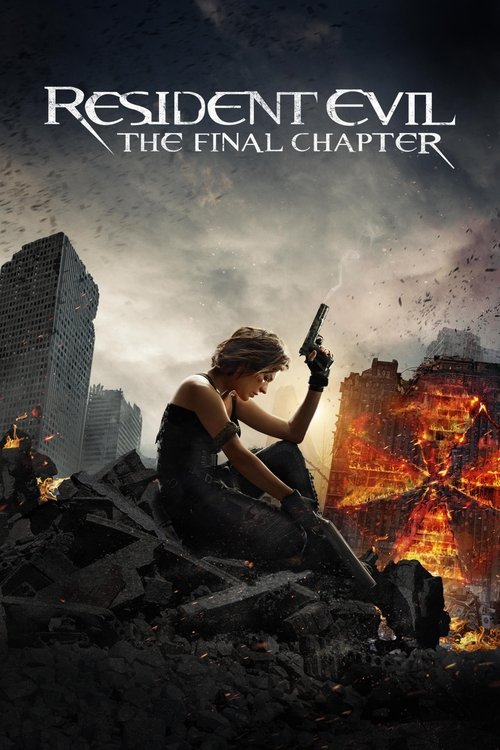
Several years ago, Dr. Markus experimented with a new drug called the T-Virus to cure his daughter Alicia of a serious disease that causes premature aging of the body. However, the drug has one major contraindication: it infects people, turning them into aggressive and cannibalistic beasts. Once in the wrong hands of Dr. Isaacs, it becomes a weapon that the Umbrella Corporation attempts to use to annihilate all of humanity. Years later, after overcoming a thousand perils, Alice has the great opportunity to put an end to it all thanks to the help of the Red Queen, the company's security computer, which suggests she go to Raccoon City to retrieve the antidote for the T-Virus that spreads through the air. Thus begins the last and explosive battle between the forces of good and evil to save the world... not without furious clashes and, above all, many plot twists and returns from the past.
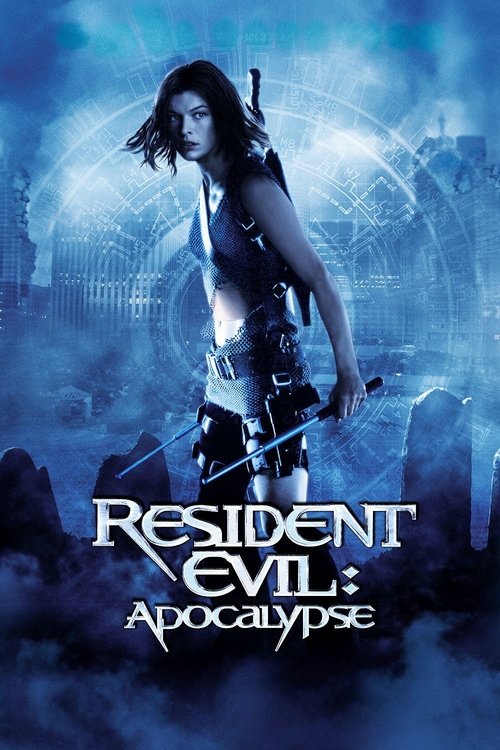
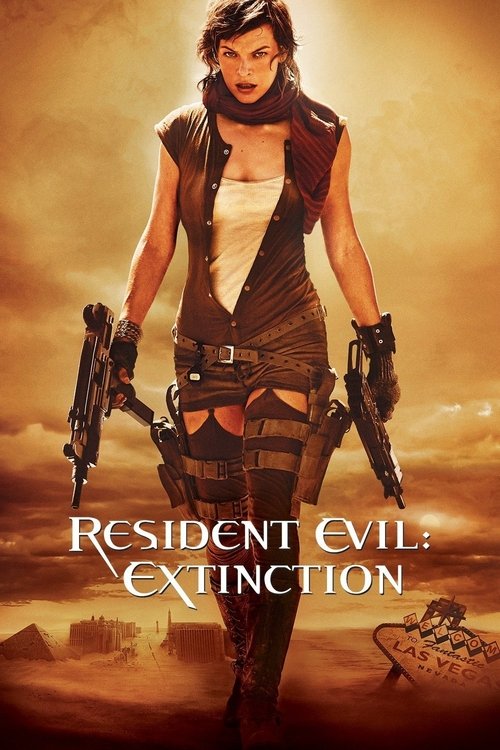
For all those who grew up between the 1990s and 2000s, the Capcom video game "Resident Evil" was synonymous with afternoons spent locked in their room killing zombies and monsters of all kinds between a snack and another. Imagine, then, the great enthusiasm that accompanied the release of the first chapter of this saga in 2002. However, from the start, with George Romero's departure from the project and other production issues, the series did not seem to be born under a good star. Over time, the initial enthusiasm gave way to disappointment, as, with the exception of the excellent third episode directed by Russell Mulcahy, all subsequent sequels turned out to be mediocre products in which horror was sacrificed on the altar of a low-quality and poorly executed action vein.
"Resident Evil: The Final Chapter" does not escape this negative trend. This sixth – and hopefully last – chapter directed by Paul W. S. Anderson, who started the series and wrote the screenplays, is a mediocre, confusing film with no clear logic, as demonstrated by the difficulty in summarizing the plot mentioned above.
From the writing perspective, the flaws are now well-known: a patchy screenplay with forced plot twists and characters returning from the past without clear motivation and a characterization of the characters close to zero. Things do not improve even from the perspective of pure and simple entertainment, with the major handicap that, as observed in previous chapters, horror completely disappears, with zombies almost entirely absent and replaced by flying monsters more akin to the typical dragons of fantasy, and the numerous action scenes are shot in the worst possible way. A clear example in this sense is the long sequence – perhaps too long – in which Alice and her companions defend themselves against Dr. Isaacs and his army by throwing jets of fire at them, in which, however, not much is understood and the development of events can only be imagined.
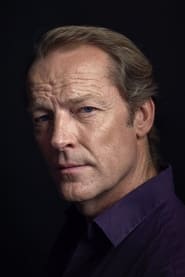
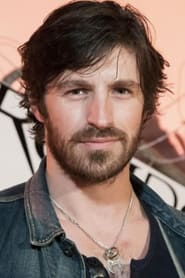
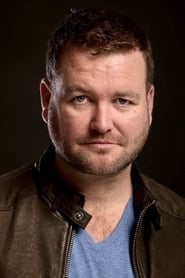
In short, "Resident Evil: Final Chapter" is a ship that is taking on water from all sides, and even the actors with poor expressions, including Milla Jovovich whose character is as skilled at killing monsters of all kinds as flat, Iain Glen as Dr. Isaacs, and other actors such as Ali Larter, Shawn Roberts, and Eoin Macken, do not save the wreck.
The Resident Evil saga, in conclusion, bids farewell to its fans with a poorly executed, intangible, and even inconclusive final episode, as, as you will see, the ending leaves inexplicable open doors to another unnecessary sequel.
Comments
Comments (0)











Comments