







Le Verdict
Avec 140 millions de recettes pour un budget de 24 millions, "Scream 5" a été le seul film capable de détrôner "Spider-Man: No Way Home" au box-office de l'hiver 2022, après plusieurs semaines de domination. Ce succès a immédiatement poussé Paramount Pictures à donner le feu vert à la production d'un nouveau chapitre.
Avec 140 millions de recettes pour un budget de 24 millions, "Scream 5" a été le seul film capable de détrôner "Spider-Man: No Way Home" au box-office de l'hiver 2022, après plusieurs semaines de domination. Ce succès a immédiatement poussé Paramount Pictures à donner le feu vert à la production d'un nouveau chapitre. Ainsi, nous arrivons à "Scream VI", un numéro derrière le titre qui commence à devenir exigeant pour une saga produite par un grand studio, d'autant plus dans le domaine de l'horreur, souvent sujet à une baisse de qualité au fil des épisodes. Et pourtant, coup de théâtre, la saga "Scream" parvient à porter le poids des années et de sa mécanique narrative. Après le passage du flambeau du regretté Wes Craven au duo Matt Bettinelli-Olpin et Tyler Gillett dans le cinquième film, le sixième opus montre également une fraîcheur et une énergie inattendues.
Une femme attend son rendez-vous dans un restaurant de New York, mais l'homme est en retard. Lorsque le téléphone sonne, elle entre dans un cauchemar aux résultats imprévisibles. Pendant ce temps, Tara et Sam Carpenter, ainsi que leurs amis Mindy et Chad, survivants du massacre de Woodsboro, ont déménagé à New York. Tara, Mindy et Chad fréquentent l'université, tandis que Sam, profondément marquée par les événements de l'année précédente, lutte avec ses traumatismes, comme le montrent ses séances de psychanalyse avec le Dr Stone. De plus, Sam fait face à une campagne de haine sur les réseaux sociaux, certains la considérant comme la véritable responsable des meurtres de Woodsboro. Lorsque Ghostface refait surface à New York, Sam sait qu'elle devra une fois de plus survivre à la furie meurtrière d'un psychopathe imitant son père, Billy Loomis.
Si "Scream 5" était un "requel" – un mélange de suite et de reboot – ramenant tout à l'origine du "mythe", "Scream VI" confirme que nous sommes au cœur d'une saga complexe. Comme l'explique la nièce de Randy Meeks dans la scène clé explicative, les règles changent encore une fois. Le monologue cinéphile de Mindy – interprété brillamment par Jasmin Savoy Brown – est irréprochable, mais le spectateur comprend rapidement que Matt Bettinelli-Olpin, Tyler Gillett et leurs scénaristes James Vanderbilt et Guy Busick suivent la voie tracée par Wes Craven, réélaborant certains concepts et thèmes déjà présents dans "Scream 2".
Ainsi, si la scène d'ouverture de ce magnifique sequel de 1998 est devenue iconique grâce à sa puissance cinéphile (la scène avec Jada Pinkett dans le cinéma projetant "Stab"), l'introduction de "Scream VI" fait de même en augmentant encore les enjeux et en explorant des territoires inédits pour la saga. Ce renversement de perspective surprend le spectateur et annonce un film imprévisible dès ses premières minutes.
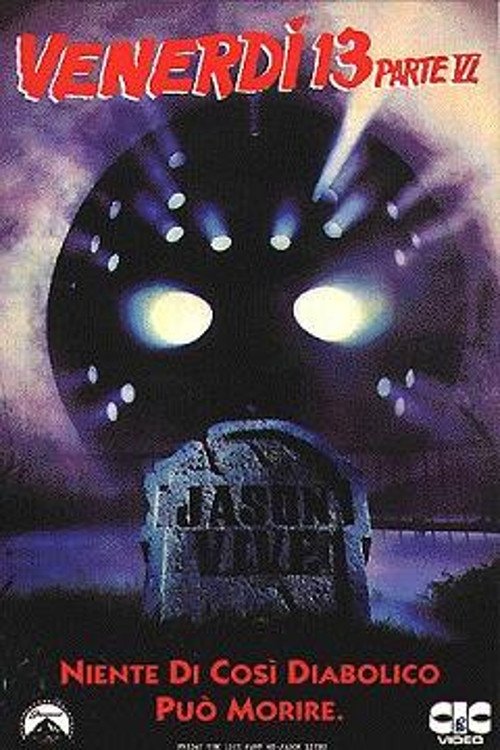
Les parallèles avec "Scream 2" se poursuivent, montrant les personnages hors de Woodsboro et confrontés à la vie universitaire. Pour la première fois, la saga créée par Kevin Williamson se déroule dans une grande métropole, New York, soigneusement choisie et célébrée au début du film avec des images de "Vendredi 13 – Partie VIII : Jason à Manhattan" diffusées à la télévision. Le cadre urbain est la grande nouveauté du film et est habilement exploité par Bettinelli-Olpin et Gillett, mettant en scène les attaques de Ghostface dans des lieux publics comme des ruelles sombres, des épiceries ouvertes 24h/24, et des stations et wagons de métro, dans l'indifférence générale des New-Yorkais. Ce lieu, apparemment difficile pour un slasher, offre en réalité la possibilité de jouer avec les chorégraphies des meurtres et le sentiment de fausse sécurité donné par la présence de la foule, une foule aveugle et habituée à la violence urbaine.
Et puis, il y a Ghostface, jamais vu aussi furieux, déterminé, destructeur et audacieux dans ses meurtres. Avec un masque inquiétant usé par le temps, il est moins maladroit, plus calculateur, presque expérimenté dans le crime, et mène un plan réfléchi avec de nombreuses surprises.
"Scream VI" est un hommage à toute la saga, célébrant son passé tout en s'éloignant – comme le déclare le tueur dans le prologue – du métacinéma. "Qui se soucie des films !", s'exclame Ghostface. L'atmosphère joyeusement nerd de "Scream 5", qui jouait avec les psychoses du web et ironisait sur les dérives des fanbases toxiques, est mise de côté pour une narration plus "concrète", offrant cependant au spectateur une série de rebondissements bien orchestrés.
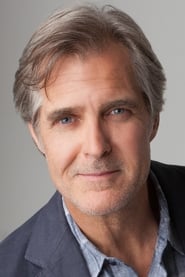
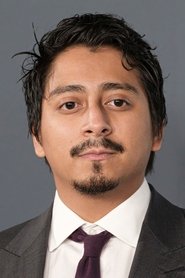
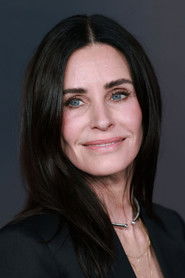
Dans "Scream VI", on retrouve la nouvelle génération de protagonistes, menée par Melissa Barrera et Jenna Ortega, ainsi qu'une foule de nouveaux visages, dont Samara Weaving, Dermot Mulroney et Tony Revolori. Comme dans le précédent film, la vieille garde est également présente, représentée cette fois par Gale Weathers (Courtney Cox) et Kirby Reed (Hayden Panettiere), vue dans "Scream 4". Neve Campbell, alias Sydney Prescott, est absente, une décision liée à des questions de production mais justifiée narrativement par Gale Weathers.
"Scream VI" confirme que la saga d'horreur la plus emblématique des années 90 est entre de bonnes mains et a encore des choses à dire. Bettinelli-Olpin et Gillett maîtrisent parfaitement le langage de "Scream", respectant la saga, le genre, Wes Craven et leur public. "Scream VI" fonctionne mieux que prévu, amuse, émeut et effraie, offrant un plaisir inégalé de crier à pleins poumons une fois de plus.
Commentaires
Commentaires (0)

















Commentaires