







El Veredicto
Joey es una joven mujer enamorada de un hombre que parece no corresponder a sus sentimientos. Una noche, después de otra decepción más, Joey intenta suicidarse, pero es llevada al hospital y salvada a tiempo.
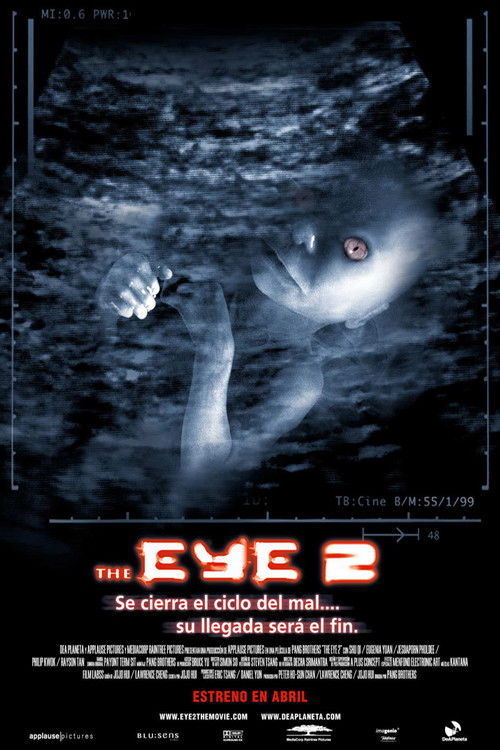
Joey es una joven mujer enamorada de un hombre que parece no corresponder a sus sentimientos. Una noche, después de otra decepción más, Joey intenta suicidarse, pero es llevada al hospital y salvada a tiempo. A partir de ese día comienza a tener extrañas visiones y parece ser perseguida por una mujer de largos cabellos negros y un vestido gris. Pronto descubrirá también que está embarazada. Aturdida por las apariciones cada vez más frecuentes, Joey decide confiarse a un monje budista que le contará una antigua creencia según la cual una persona que se acerca a la muerte o que va a dar al mundo una nueva vida puede con facilidad entrar en contacto con el más allá; le revela además que las almas de los muertos frecuentemente intentan reencarnarse en los recién nacidos. Joey entiende entonces que la mujer que la persigue es un espíritu interesado en su hijo, y deberá estar preparada para todo para alejarla de su vientre…
William Castle nos enseñó que basta una campaña publicitaria particularmente acertada y capaz de intrigar al público, para decretar el éxito comercial de una película (y en la época en que trabajaba él, esta fórmula era infalible). Parece que recientemente esta tendencia está volviendo de moda, por lo que "The Eye 2" no escapa a la regla, exhibiendo en el cartel y en la publicidad televisiva una advertencia que desaconseja en letras mayúsculas la visión de la película a las personas de corazón débil y a las mujeres embarazadas…
Porque lo que está prohibido atrae! Lástima que en este caso se trate solo de humo en los ojos, ya que "The Eye 2" se revela como una de las películas más inofensivas y predecibles importadas del extremo oriente.
En 2002 los mismos hermanos Pang habían logrado crear con "The Eye" una película sutilmente inquietante, aunque nada original, que lograba mantener tenso al espectador gracias a apariciones de fantasmas sabiamente coreografiadas y ricas en patetismo. Se esperaba por lo tanto de esta secuela (que de todos modos no tiene ningún vínculo narrativo con la película anterior) una repetición de la fórmula, si no un potenciamento de la misma (se sabe cómo funcionan las secuelas de los horrores: más sangre, más suspense y más sustos que el anterior), pero así no fue. Las apariciones de los fantasmas son numerosas, pero no logran transmitir la mínima tensión porque se resuelven con simples ruidos repentinos que pretenden asustar al espectador, pero fallan porque son altamente predecibles (con excepción de la excelente secuencia en la parada del bus… ver para creer!). En algunos momentos luego, se termina por rozar involuntariamente el ridículo, como en las secuencias de los fantasmas flotantes o en el final exagerado en la terraza del hospital. Todo esto además está condimentado por una empalagosa historia de amor con giros de telenovela seguramente evitable, así como por un fastidioso regusto moralista que acompaña la última media hora de la película.
En definitiva "The Eye 2" puede decepcionar, aunque además de los aspectos negativos presenta cualidades apreciables: los hermanos Pang demuestran saber dirigir bien la película, cuidando un montaje rápido que logra mantener la atención del espectador sobre una trama bastante lenta de por sí; además la fotografía, ya como ocurría en el primer episodio, está muy cuidada y tiende a colores opacos y nebulosos, que reproducen bien la idea de sobrenatural que flota en la película. Un cumplido también a la protagonista, interpretada por Qi Shu, que logra construir un personaje complejo en equilibrio entre la histeria y la compasión.
En conclusión, "The Eye 2" se revela como una gran ocasión desperdiciada: una película que habría podido hacerse recordar sobre todo gracias a una historia fascinante y original (pero quienes han visto "Nightmare 5" notarán similitudes..), falla en cambio por la total ausencia de suspense y por la ausencia de las características que han hecho conocido en todo el mundo el cine oriental.
Se está trabajando también en un tercer capítulo.
Comentarios
Comentarios (0)




Comentarios