
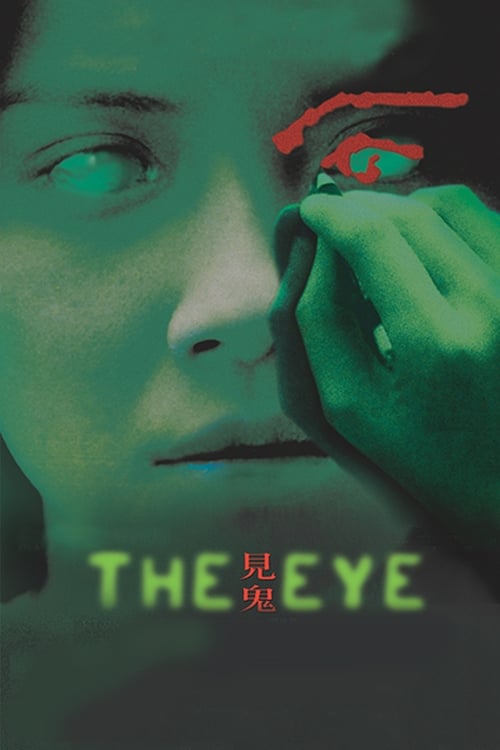






A blind girl regains her sight through a corneal transplant from another girl who had died previously, who had the ability to see spirits of the deceased, as well as to predict what would happen shortly after. When the protagonist realizes that, thanks to the donor, she has also acquired her paranormal abilities, she will find herself investigating the story of this girl who claims the discovery of the truth about her death and her painful life, with an unexpected ending. During the release of this film, the international cinematic landscape saw the emergence of several films from the Land of the Rising Sun, which attempted to make their way among the high-profile American blockbusters, which have undeniably monopolized the market in question for decades. The start had not been negative, but today it seems that everything has been just a flash in the pan. The film brings some interesting innovations to the horror genre, introducing a gripping plot that involves the viewer from the beginning, rich in twists and a story (though highly irrational) that has a solid and smooth logical thread. Sometimes investigative, sometimes moving and gripping, the product is nevertheless complete in every part and enjoyable to follow throughout its duration. The special effects are well cared for, the directors, with talent evident from the first scenes, have managed to insert numerous passages where the viewer "jumps" in their seat and feels, on their back, that shiver so dear to genre lovers, thanks also to a skillful management of the sound that accompanies the images. Among the flaws, however, it must be noted (for those who consider it a defect) the visibly Japanese acting style of the actors, which, although inevitably partly influenced by what is the West, remains very composed and the actors' expressions are often artificial and "prepared," in full Japanese style; but this takes little or nothing away from a film that remains very good in terms of direction, photography, screenplay, and plot. If they had continued to prepare products of this level in Tokyo, probably the directors at "stars and stripes" would have had to roll up their sleeves soon and compete with a reality that offered a very valid alternative to their blockbusters.
Comments
Comments (0)










Comments