















Le Verdict
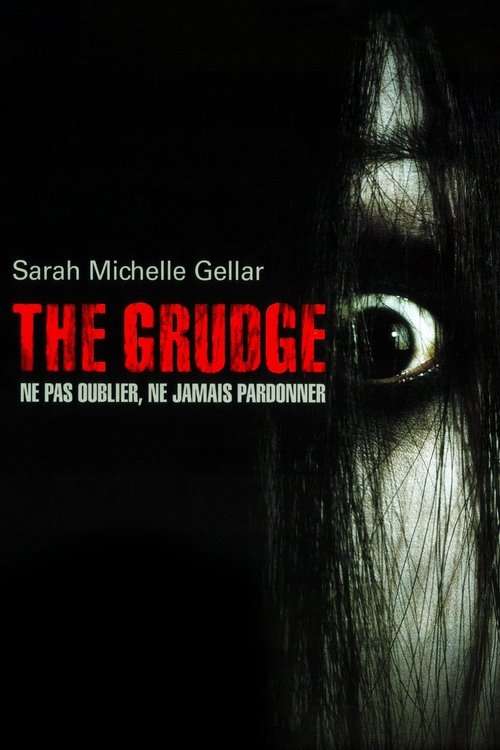
Karen Davis, une étudiante américaine en médecine, part au Japon dans le cadre d'un échange scolaire. Une fois à Tokyo, elle est appelée à remplacer une infirmière qui s'occupe à domicile d'une femme âgée, gravement malade et plongée dans un état catatonique profond.
Karen Davis, une étudiante américaine en médecine, part au Japon dans le cadre d'un échange scolaire. Une fois à Tokyo, elle est appelée à remplacer une infirmière qui s'occupe à domicile d'une femme âgée, gravement malade et plongée dans un état catatonique profond. La jeune femme se rend donc dans la maison de la vieille dame Emma, où règne un grand désordre. Le cauchemar commence lorsque Karen entend des bruits inquiétants venant de l'étage supérieur et aperçoit des empreintes étranges laissées par quelqu'un qui n'est plus là...
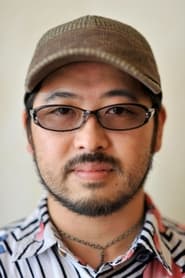
Ce film n'est pas seulement le remake d'un film d'horreur japonais, mais constitue le quatrième épisode d'une longue série (qui tourne autour de la notion de "rancune"), toujours dirigée par le même réalisateur Takashi Shimizu. Il s'agit de la version américaine de "Ju-On" (film TV japonais) produit par Shimizu en 2002, ainsi que de sa suite, "Ju-On 2", avant d'être "remaké" pour le grand écran en 2003, évidemment uniquement pour le marché occidental et avec plus de moyens.
Le film a particulièrement capté l'attention du public américain, au point que les recettes ont été absolument imprévisibles : lors de la première semaine de projection, plus de 40 millions de dollars ont été enregistrés au box-office, et en décembre, la somme a considérablement augmenté pour atteindre environ 108 millions de dollars.
Le découvreur du film oriental n'est autre que Sam Raimi, cinéaste de grand talent, qui a commencé sa carrière avec un film d'horreur inoubliable, "The Evil Dead", qui présente quelques similitudes avec "Ju-On" en raison de son cadre : une maison hantée.
Les protagonistes de "The Grudge" sont des Américains typiques, dirigés par Sarah Michelle Gellar, célèbre actrice de la série "Buffy", diffusée dans le monde entier de 1996 à 2003. Le choix de cette actrice est manifestement une tentative de promouvoir le film auprès des jeunes occidentaux.
De nombreuses discussions ont eu lieu concernant la performance de Gellar, une bonne actrice télévisée mais sans plus, qualifiée par certains de scandaleuse. Ne disposant pas de la version originale et sachant combien un doublage peut influencer la perception du jeu d'acteur auprès du public italien, mieux vaut passer sur ce sujet et se concentrer plutôt sur l'environnement hybride du film : étant donné que l'histoire est profondément japonaise, une transplantation complète sur le continent américain, comme pour "Ring", n'était pas possible. On a donc opté pour une approche "Erasmus", en situant le film dans un Japon bien peuplé d'étudiants en échange, ici en médecine, pour s'harmoniser avec l'histoire originale qui impliquait l'assistance à une femme atteinte de démence. À vrai dire, le grand nombre d'étudiants américains regroupés dans une petite ville japonaise est un peu suspect.
Cependant, l'opération recrée dans une certaine mesure l'atmosphère d'isolement interne vécue par un étranger dans un pays culturellement éloigné, tandis qu'à d'autres moments, il est clair qu'il s'agit d'un artifice permettant une narration du point de vue des spectateurs, qui, dans les films originaux, ne parviennent pas à s'identifier aux protagonistes japonais.
Il n'est pas nécessaire de s'étendre sur l'intrigue, virtuellement identique à "Ju-On", mais il est impossible de ne pas souligner certaines incohérences dans le scénario, qui, sans trop spoiler, consistent en une situation peu claire concernant le père, qui n'apparaît jamais en tant que "fantôme" bien qu'il soit une partie intégrante, voire le moteur du drame, et le fils qui, parfois, apparaît comme mort (avec le maquillage déjà apprécié dans "Ju-On") mais qui, dans d'autres contextes, semble incompréhensiblement être un enfant vivant et absolument inoffensif.
Malgré les efforts de l'équipe, ce remake produit par le maître de l'horreur Sam Raimi n'est ni aussi fascinant ni aussi terrifiant que l'original japonais. À noter également le plagiat grossier de la scène du cadavre aux cheveux noirs qui s'allongent sous le linceul : une scène copiée directement de "Ring 2" de 1999.
Dans l'ensemble, cependant, le film se déroule bien et offre au spectateur novice une bonne dose de tension.
Si, en revanche, l'histoire a déjà été vue, elle risque de paraître ennuyeuse, répétitive et superficielle, comme c'est souvent le cas pour ceux qui connaissent les originaux japonais.
Commentaires
Commentaires (0)








Commentaires